What Are Acne Scars and Why Do They Form?
What Is Fractional CO₂ Laser Treatment?
How Fractional CO₂ Laser Works on Acne Scars
How Fractional CO₂ Laser Helps Fade Acne Scars
Key Benefits of Fractional CO₂ Laser
The Fractional CO₂ Laser Treatment Process
Fractional CO₂ Laser Treatment Cost in India
Who Should Consider Fractional CO₂ Laser?
Possible Side Effects and Aftercare Tips

You know that sinking feeling when you catch your reflection under harsh light — and instead of smooth skin, all you can see are tiny craters and uneven marks left behind by old breakouts.
It feels unfair. You fought acne once, and somehow, you’re still fighting its ghost.
Acne scars don’t just linger on your skin; they quietly mess with your confidence, makeup routines, selfies, and sometimes even your mood. You start wondering if your skin will ever look like it used to.
Here’s the good news: it can.
Fractional CO₂ laser technology has become one of the most effective, dermatologist-preferred solutions for treating stubborn acne scars that refuse to fade with creams or peels. By working deep within the skin, it helps remodel damaged tissue and rebuild smoother, clearer skin from within.
At Wizderm, treatments are performed using the Lumenis UltraPulse CO₂ Laser, a globally trusted medical-grade platform known for its precision, safety controls, and proven clinical outcomes.
In this guide, you’ll learn how fractional CO₂ laser treatment works, why it’s different from older lasers, what results you can realistically expect, and why dermatologists worldwide rely on it for acne scar correction.
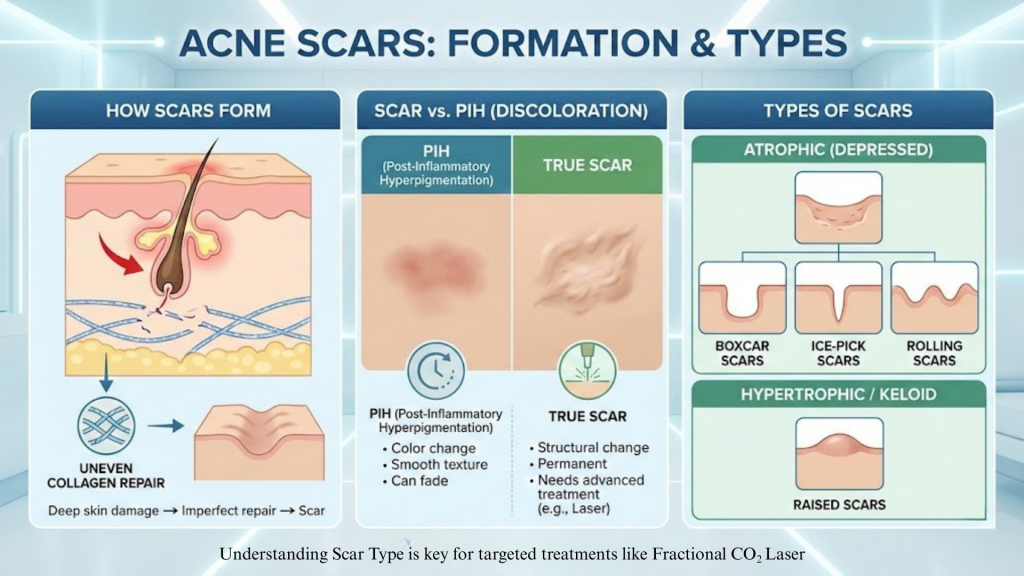
When acne damages the deeper layers of your skin, your body tries to repair the injury by producing collagen. But when this repair process is uneven or insufficient, scars form.
Sometimes what looks like a scar is actually post-inflammatory hyperpigmentation (PIH) — a colour change without texture damage. PIH can fade over time or with topical treatments. True acne scars, however, involve permanent structural changes and require advanced procedures like laser resurfacing.
Understanding your scar type is essential, because fractional CO₂ laser for acne scars works best for certain scar patterns and may be combined with other treatments for optimal results.
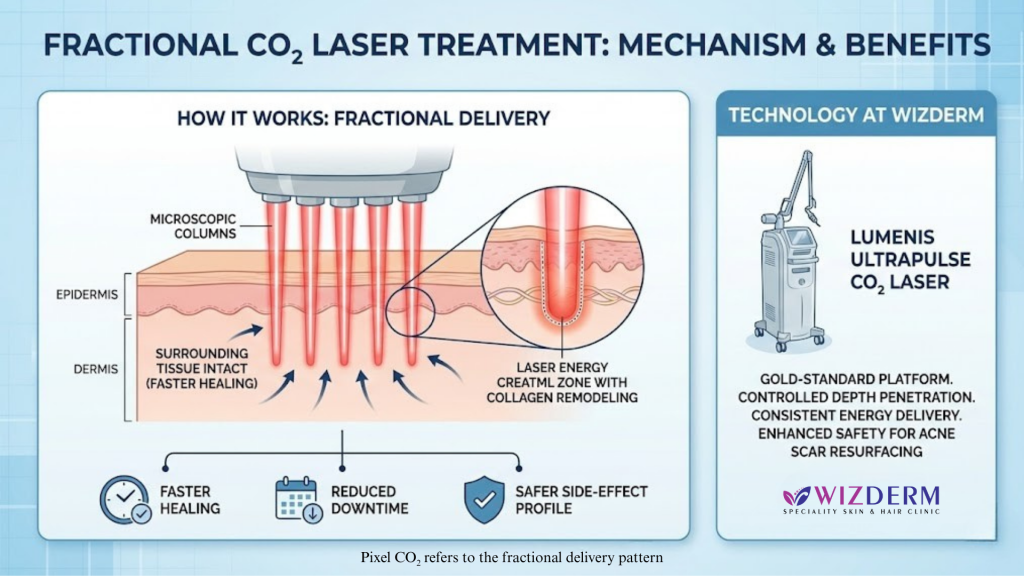
Fractional CO₂ laser treatment is an advanced skin-resurfacing procedure that delivers carbon dioxide laser energy into the skin in thousands of microscopic columns.
Instead of treating the entire skin surface at once, the laser targets only fractions of the skin, leaving surrounding tissue intact. This allows faster healing, reduced downtime, and a safer side-effect profile compared to traditional ablative lasers.
Pixel CO₂ refers to the fractional delivery pattern, not a different treatment altogether. What truly influences your results is the technology and precision of the CO₂ fractional laser machine, combined with the dermatologist’s expertise.
At Wizderm, treatments are performed using the Lumenis UltraPulse CO₂ Laser, a gold-standard platform widely used in dermatology for controlled depth penetration, consistent energy delivery, and enhanced safety — especially important for acne scar resurfacing.
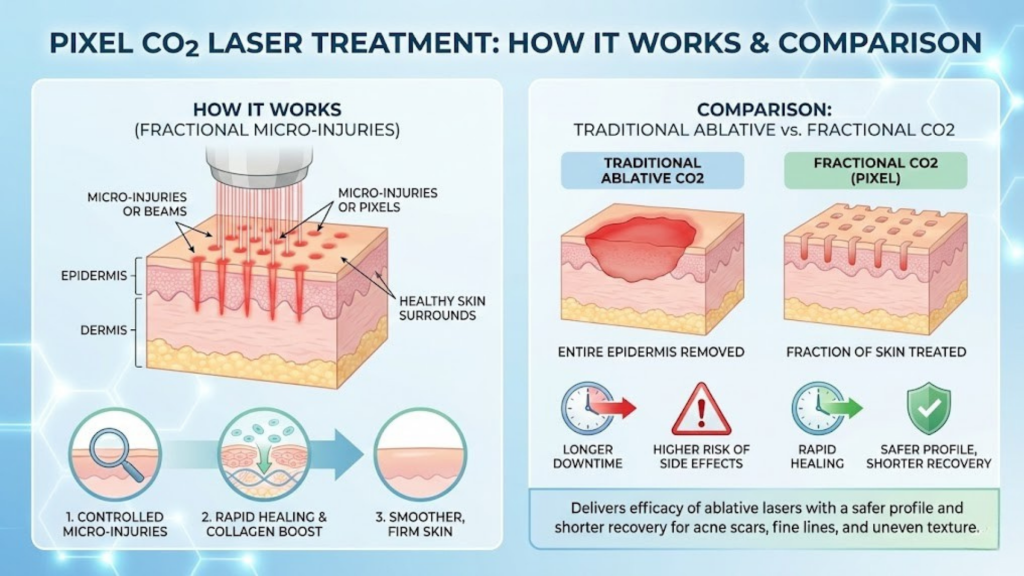
If you’ve ever wished for a “reset” button for your skin, Fractional CO₂ Laser comes close.
The laser creates controlled micro-injuries that stimulate your body’s natural wound-healing response. These microthermal zones activate fibroblasts to produce new collagen and elastin — the building blocks of smooth, firm skin.
This is precisely why fractional CO₂ laser benefits go beyond surface improvement. Over time, depressed scars lift, texture evens out, and skin quality improves from within.
Many dermatologists prefer fractional technology because it balances visible results with a safer recovery profile.
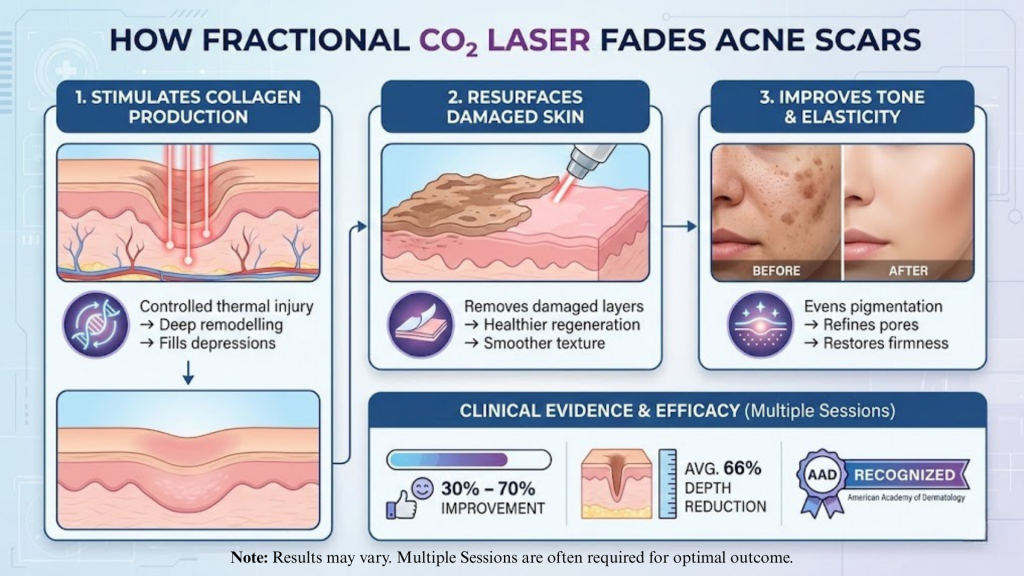
1. Stimulates Collagen Production
Controlled thermal injury promotes deep collagen remodelling, gradually filling in depressed scars and improving firmness.
2. Resurfaces Damaged Skin Layers
Damaged superficial layers are removed, allowing new, healthier skin to regenerate with smoother texture.
3. Improves Tone and Elasticity
Beyond scars, the treatment can help even out mild pigmentation, refine pores, and restore overall skin quality.
Clinical studies indexed on PubMed and National Center for Biotechnology Information report 30%–70% improvement in acne scar appearance, with topographic depth reductions averaging around 66% after multiple sessions.
The American Academy of Dermatology recognises laser resurfacing as an effective option for acne scars when topical treatments are insufficient.
Many patients also notice brighter skin, refined pores, and an overall improvement in skin quality.
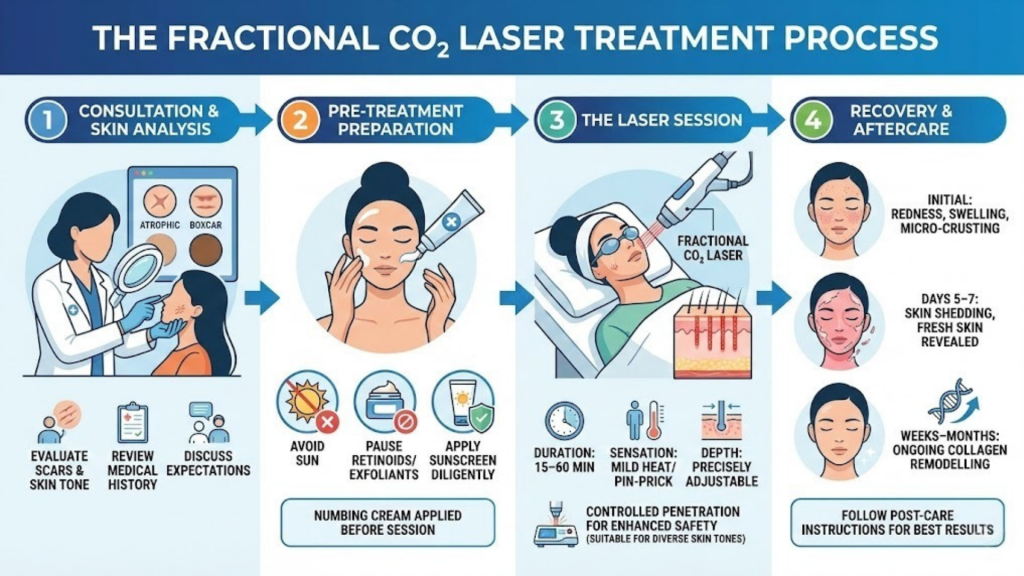
Step 1: Consultation and Skin Analysis
Your dermatologist evaluates scar types, severity, skin tone, medical history, and expectations.
Step 2: Pre-Treatment Preparation
You may be advised to pause retinoids or exfoliants, avoid sun exposure, and apply sunscreen diligently. Numbing cream is applied before treatment.
Step 3: The Laser Session
Advanced fractional CO₂ laser treatment protocols using platforms like UltraPulse allow controlled penetration, improving safety even for Indian skin tones when handled correctly.
Step 4: Recovery and Aftercare
Redness, swelling, and micro-crusting are expected initially. Skin typically sheds by days 5–7, revealing fresh new skin. Collagen remodelling continues for weeks to months.
Most people need 3–4 sessions spaced several weeks apart. While improvement can be dramatic, complete scar removal is rare — especially for deep ice-pick scars.
The fractional CO₂ laser cost in India generally ranges from ₹3,000 to ₹15,000+ per session, depending on the clinic, city, and treatment area.
For small areas or mild scarring, costs are usually on the lower end. Full-face fractional CO₂ laser treatment or deeper acne scars require higher energy settings and may cost more per session.
Because acne scars often need multiple sessions, the fractional CO₂ laser treatment cost for a complete series typically ranges between ₹20,000 to ₹50,000, depending on:
While cost is an important factor, choosing a clinic based solely on price can increase the risk of complications. With laser treatments, precision, experience, and post-care protocols matter far more than discounts.
a. Ideal Candidates
b. Who Should Use Caution
A dermatologist consultation is essential before treatment.
Temporary side effects may include redness, swelling, sensitivity, peeling, or post-inflammatory hyperpigmentation. These usually resolve with proper aftercare.
Aftercare essentials:
Peels, microneedling, creams — most acne scar treatments only skim the surface. The Pixel CO2 Laser goes deeper, using smart fractional technology to stimulate collagen and resurface skin from within.
Unlike traditional lasers, it targets only micro-zones of skin, promoting faster healing and smoother, firmer results.
At Wizderm, our dermatologists tailor every Pixel CO2 Laser session to your unique skin type and scar pattern. Whether your concern is pitted acne scars, uneven tone, or dull texture, the treatment plan is customised for maximum results with minimal downtime.
And the results speak for themselves: smoother texture, refined pores, and clearer, more confident skin that doesn’t need filters.
Acne scars don’t have to define your skin forever. With fractional CO₂ laser treatment, you have a scientifically supported option that targets scars at their core — not just the surface.
If you’re searching for fractional CO₂ laser treatment near me, choosing the right technology and dermatologist makes all the difference.
At Wizderm, treatments are performed using the Lumenis UltraPulse CO₂ Laser and personalised protocols tailored to your scar type and skin tone.
Book your consultation today and take the first step toward smoother, more confident skin.
Most people require 3–6 sessions depending on scar depth and skin response.
Discomfort is minimal with numbing cream; most patients describe mild heat or tingling.
Initial healing takes about 5–7 days, with continued improvement over months.
Yes, fractional CO₂ laser can be safe for Indian skin tones when performed by experienced dermatologists using appropriate settings and strict aftercare
You’re Over-Cleansing and Destroying Your Skin Barrier
You’re Stuck in the Micro-Trauma Cycle
Your Haircare Is Secretly Causing Your Forehead Acne
Your Gut and Skin Are in a Fight (And Your Skin Is Losing)
Cortisol (Stress Hormone) Is Sabotaging Your Skin
The Things Touching Your Face Are Dirty (Even If Your Skin Isn’t)
Bonus Reason: You’re Product-Hopping Too Fast
Isn’t it painfully ironic that acne loves showing up right before an important presentation, a wedding function, or a first date?
If pimples were polite, dermatology clinics wouldn’t exist.
You’ve likely tried multiple cleansers, serums, spot treatments, and DIY fixes. Your shelf is crowded. Your wallet is lighter. Your acne? Still very much present.
Here’s the uncomfortable truth most people miss:
Acne doesn’t persist because you’re not doing enough — it persists because you’re doing the wrong things consistently.
At Wizderm, we see this pattern daily. Patients aren’t careless. They’re misinformed.
Let’s fix that.
The idea that “clean skin = acne-free skin” sounds logical — and is completely wrong.
Your skin has a protective barrier made of lipids, oils, and beneficial bacteria. This barrier:
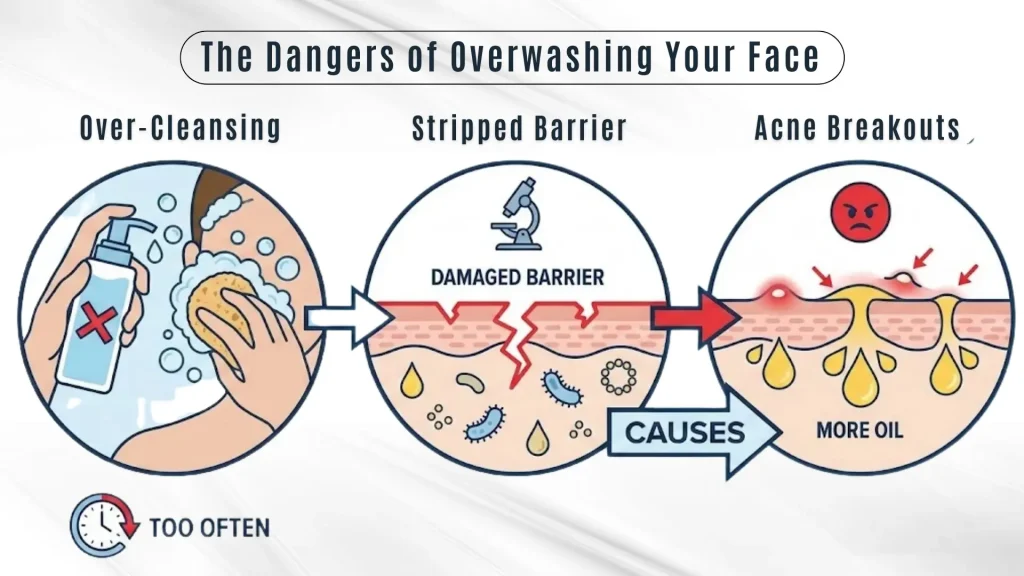
When you wash your face too often or use harsh foaming cleansers, you strip this barrier. Your skin panics and responds by producing even more oil, which clogs pores and fuels breakouts.
“A compromised skin barrier is one of the most overlooked causes of persistent acne. Patients often worsen their acne by over-cleansing rather than under-cleansing.”
— Consultant at Wizderm Skin & Hair Clinic
Pro tip: If your skin feels “squeaky clean” or tight, that’s damage—not cleanliness.
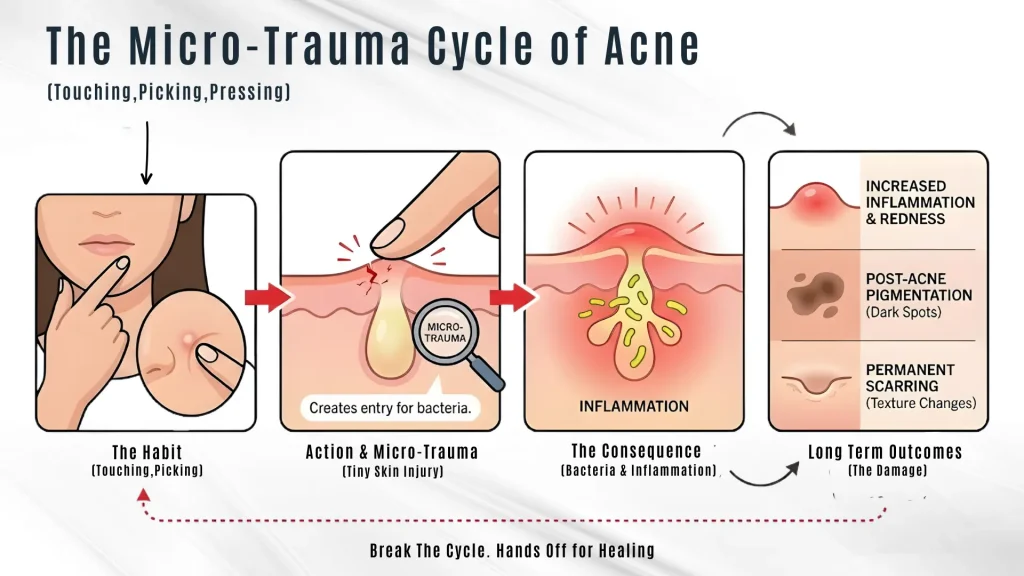
We all do it. Resting your chin on your hand. Touching a bump. Picking “just a little.”
Each time you touch your face, you create “micro-traumas”—tiny skin injuries that invite bacteria and inflammation.
Studies show people touch their face 20+ times per hour. That’s acne fuel on autopilot.
Squeezing pimples doesn’t “empty” them. It pushes bacteria deeper, increasing:
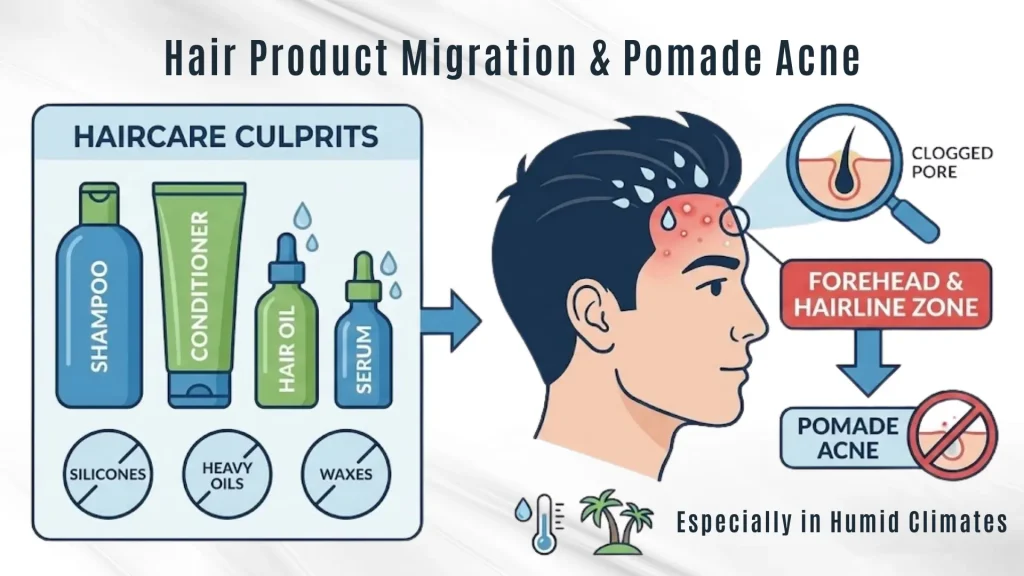
If your breakouts sit around the forehead, temples, or hairline, your skincare may be innocent — your hair products are not.
Shampoos, conditioners, serums, and oils often contain:
These migrate onto facial skin, clog pores, and cause pomade acne, especially in humid climates like India.
Dead giveaway: Acne that follows the exact line of your bangs, helmet strap, or dupatta edge.
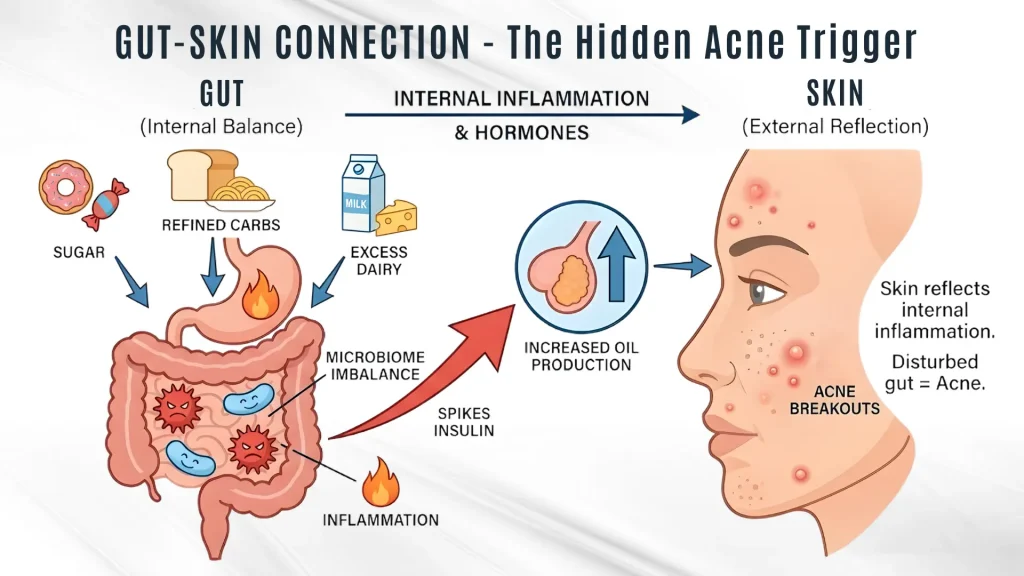
Your skin reflects internal inflammation. Period.
Diets high in:
Spike insulin levels, triggering hormones that increase oil production and acne.
Emerging research in Dermatology Reports shows the gut microbiome plays a major role in controlling skin inflammation. When gut balance is disturbed, acne often follows.
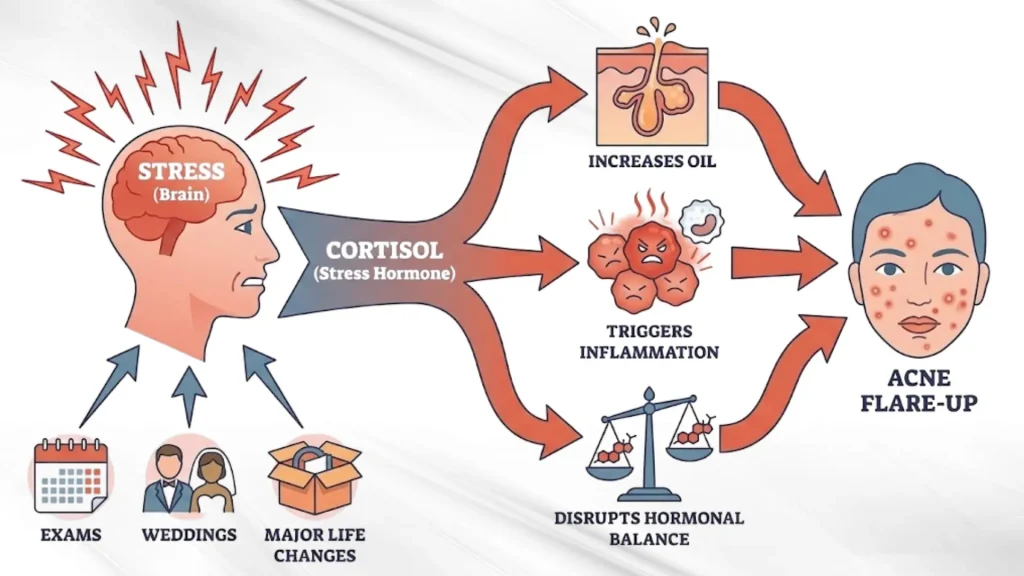
Stress doesn’t just live in your head — it shows up on your face.
When you’re stressed, cortisol:
This explains why acne flares before exams, weddings, or major life changes.
If your acne worsens during stressful phases, a dermatologist can help break the stress–acne cycle clinically.
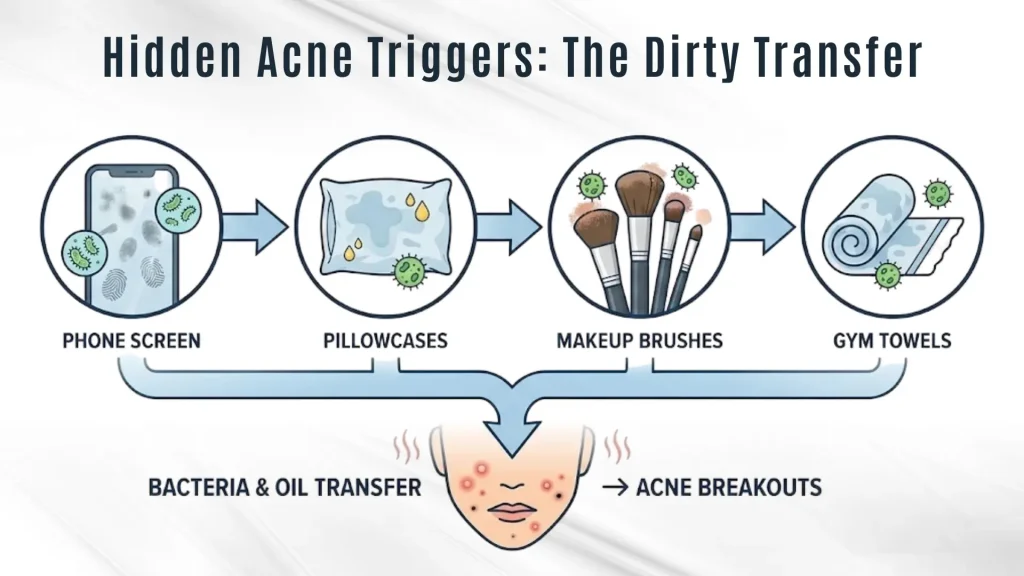
Your phone screen. Pillowcases. Makeup brushes. Gym towels.
They collect oil, sweat, and bacteria — and transfer them straight onto your pores.
Studies from Northwestern Medicine show mobile phones carry more bacteria than toilet seats. Combine that with facial heat, and breakouts thrive.
Small hygiene upgrades = big acne improvements.
Acne treatments don’t work overnight.
Constantly switching products:
Most acne treatments need 6–8 weeks to show results. Mild purging is normal. Chaos is not.
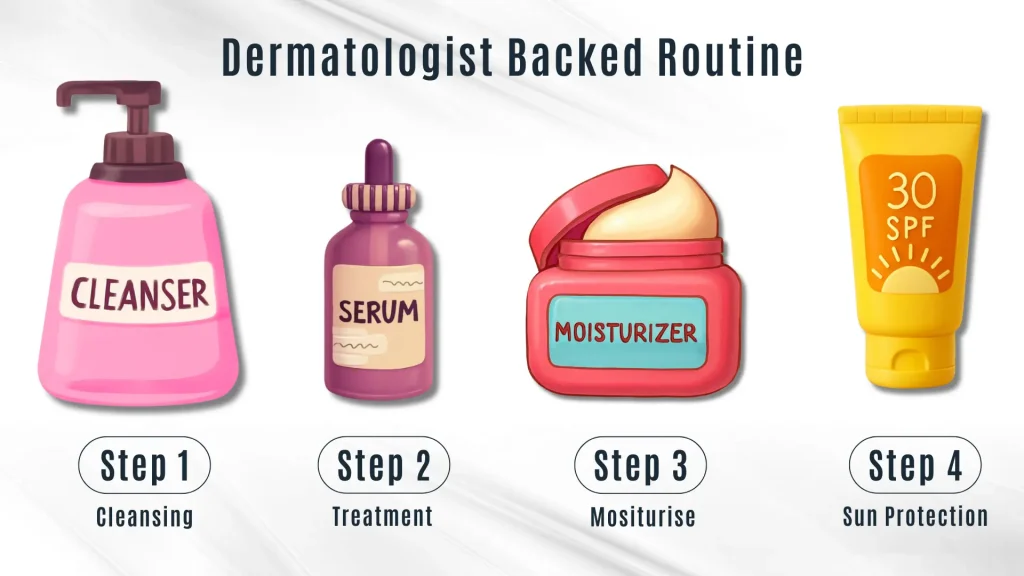
Cleanser → Treatment → Moisturiser → Sunscreen (AM only)
If acne worsens or burns, stop experimenting and see a professional.
If your acne:
…it’s time to stop DIY-ing.
At Wizderm, dermatologists identify the root cause — hormonal, bacterial, inflammatory, or lifestyle-related — and create personalised treatment plans, including:
Acne is rarely just a skin problem. It’s a reflection of your habits, hormones, stress, and skin barrier working (or not) together.
The good news? Acne is treatable and manageable with the right approach.
At Wizderm, we combine science-backed dermatology with personalised care, so you’re not just treating pimples — you’re preventing them long-term.
👉 Book your consultation today and take the first real step toward clearer skin.
Recurring acne often means the root cause hasn’t been addressed. Hormones, stress, skincare mistakes, or incomplete treatment can all lead to relapses.
Stress, hormonal imbalances, lifestyle changes, and disrupted sleep cycles make adult acne increasingly common, especially in women.
Acne can’t always be “cured,” but with consistent dermatological care, it can be controlled long-term and prevented from recurring.
Most treatments show visible improvement in 6–8 weeks, with continued improvement over 3–6 months.
While complete removal is rare, advanced treatments like lasers and microneedling can dramatically reduce scars and improve skin texture.
Noticing more strands in your brush lately? Or does your once-full ponytail suddenly feel… downgraded? Hair loss rarely shows up overnight — it begins with small, easy-to-ignore changes that creep in quietly. And while shedding a bit every day is totally normal, there is a tipping point between routine hair fall and early warning signals your scalp is waving at you.
These hair loss symptoms can reveal a lot about your overall health, from nutrient gaps and hormonal shifts to thyroid issues or even autoimmune conditions. The earlier you spot them, the easier it is to prevent long-term thinning.
In this blog, we break down the red flags you should never overlook — whether it’s a receding hairline, excessive shedding, widening parting, or changes in scalp texture. Think of this as your early-detection playbook for keeping your hair stronger, fuller, and thriving.
Hair loss is a normal part of the hair growth cycle — everyone sheds some hair every day. But here’s the real challenge: how do you know when shedding is harmless and when it’s a red flag for early balding or a scalp condition? Dermatologists often see patients only after significant thinning has already begun, simply because the early signs are subtle. Let’s decode this properly.
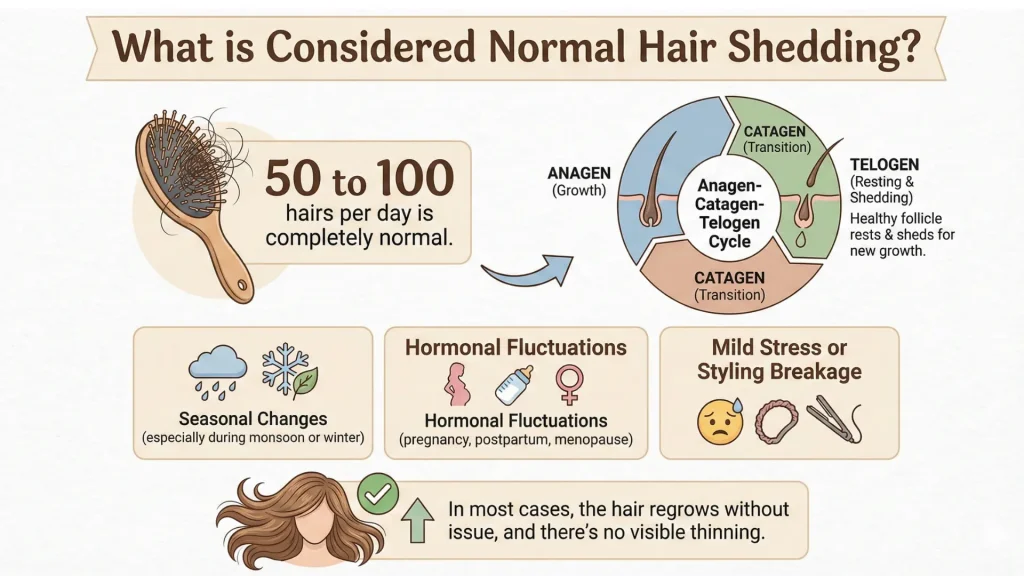
Losing 50 to 100 strands a day is completely normal. This is part of the Anagen–Catagen–Telogen Cycle, where old hair naturally sheds to make room for new growth. Temporary increases in shedding can also happen due to:
As long as the follicle remains healthy, your hair usually regrows without thinning or visible changes in volume.
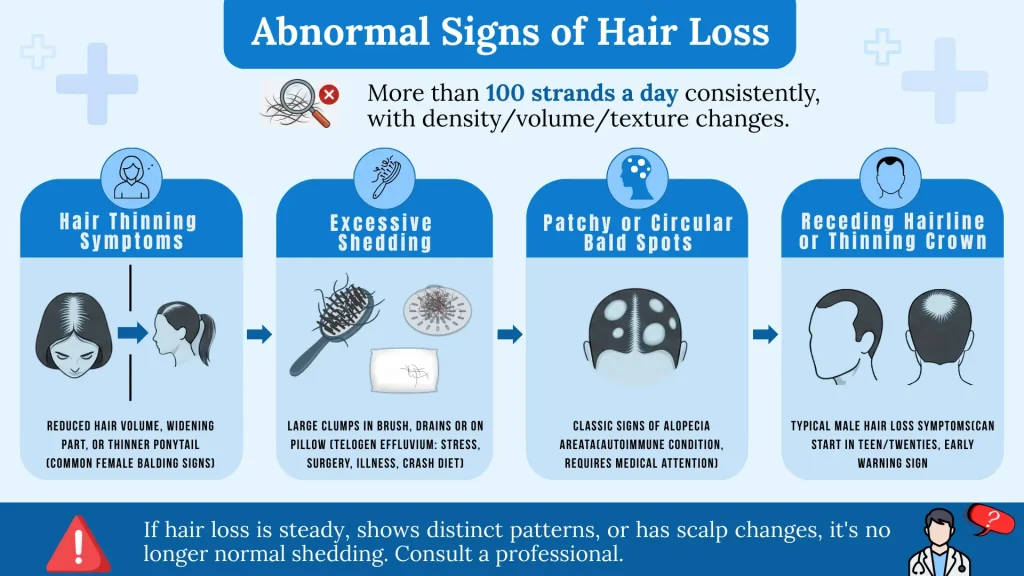
Abnormal hair loss shows clear, noticeable hair loss symptoms that go beyond everyday shedding. If you’re consistently losing more than 100 strands a day and noticing changes in density, volume, or scalp visibility, you may be experiencing:
If your hair fall is persistent, patterned, or accompanied by scalp changes, it’s no longer just regular shedding. These are early warning signs you shouldn’t ignore.
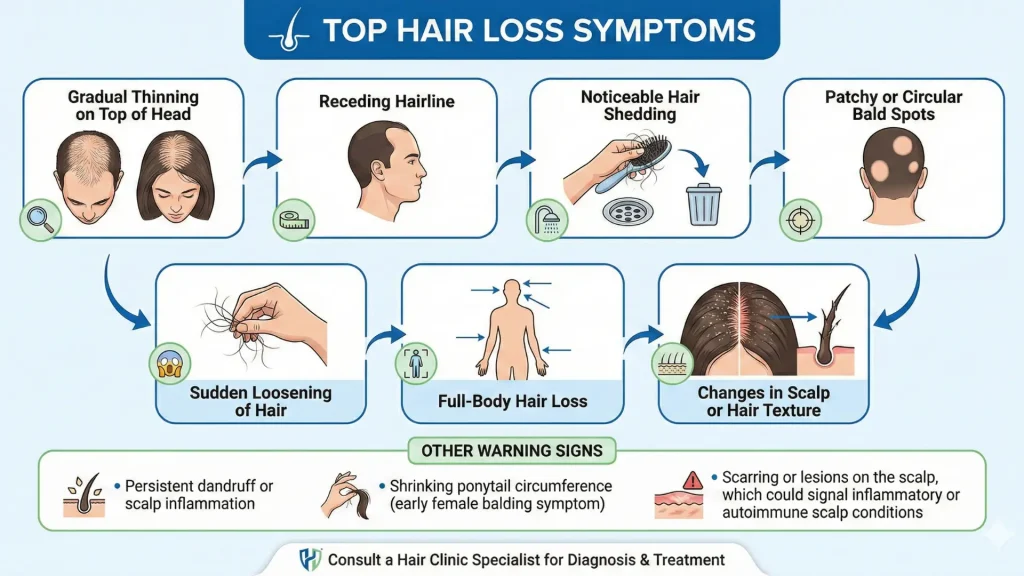
Recognising the right signs early can mean the difference between temporary shedding and long-term thinning. Below are the most common — and most concerning — hair thinning symptoms. Some are subtle; others are big red flags you should never ignore.
Gradual thinning is one of the earliest and most easily overlooked hair loss symptoms. It usually begins at the crown or along the part line.
Because this type of thinning develops slowly, many people don’t realise it’s happening until there’s a visible drop in density.

A receding hairline is one of the most recognisable early markers of hair loss, particularly in men, though women can experience it too. It typically begins with thinning at the temples, creating an “M” or “V”-shaped pattern as it progresses.
In some cases, this starts as early as the teenage years — a strong indicator of baldness in teenagers, often linked to genetics or hormonal changes. A receding hairline is a hallmark feature of male pattern baldness (androgenetic alopecia) and generally worsens without treatment.
Stress, nutritional deficiencies (like vitamin D and B12), and lifestyle habits can speed up recession. Identifying the shift early matters, as treatments like topical minoxidil, PRP therapy, and lifestyle improvements can slow — and sometimes partially reverse — the progression.
Shedding is normal — but when you start noticing more hair during brushing, washing, or waking up to hair-covered pillows, it may signal something deeper.
This type of shedding is typically diffuse, affecting the entire scalp, and tends to appear suddenly.

Coin-sized bald patches on the scalp, beard, or eyebrows strongly indicate Alopecia Areata, an autoimmune condition where the immune system attacks hair follicles.
If your hair falls out easily when lightly tugged, especially after major physical or emotional stress, it may point to Telogen Effluvium symptoms.
Common triggers include:
Hair can fall in handfuls during this phase, but regrowth usually begins once the underlying issue is addressed.
Full-body hair loss affects not just the scalp but eyebrows, eyelashes, arms, legs, and even pubic hair. This rare but serious symptom often indicates an underlying systemic condition.
A major cause is Alopecia Universalis (AU) — a severe autoimmune disorder that attacks all hair follicles across the body. It may start suddenly and progress rapidly.
Other potential triggers include:
If you notice full-body hair loss, medical evaluation is essential. Unlike regular hair thinning symptoms, AU often requires coordinated care across specialties.
Before visible thinning begins, your scalp and hair often send early warning signals:
These may indicate scalp infections, psoriasis, dermatitis, or nutritional gaps — especially vitamin B12 deficiency, which can contribute to hair loss. Texture changes frequently accompany female pattern baldness and diffuse thinning.
Even subtle changes like these may signal the early symptoms of hair loss. Ignoring them allows progression to become more visible and harder to treat.
Hair loss isn’t just a cosmetic concern — it’s often an early signal of what’s happening inside your body. Mild shedding or subtle thinning may seem harmless at first, but these shifts frequently point to underlying issues such as hormonal imbalance, nutritional deficiencies, chronic stress, or even autoimmune conditions. In many cases, hair loss symptoms are your body’s first warning sign that something needs attention.
Ignoring these signs can lead to long-term damage. Once hair follicles become miniaturised or inactive, they’re much harder to revive. Conditions like Telogen Effluvium symptoms or male pattern hair loss symptoms typically respond far better when addressed early — delaying treatment can increase the risk of permanent thinning or balding.
Staying aware of subtle changes, whether it’s a receding hairline, sudden shedding, or shifts in hair texture, gives you the best chance of early diagnosis and recovery. Don’t wait until the bald patches are obvious — your hair (and your health) deserve proactive care.
Not all hair loss is a red flag, but certain symptoms should never be ignored. If you notice sudden shedding, patchy bald spots, a rapidly receding hairline, or a noticeable drop in hair density, it’s time to consult a dermatologist. These signs may indicate conditions such as androgenetic alopecia, Telogen Effluvium, autoimmune disorders, or nutrient deficiencies like vitamin D and vitamin B12, all of which can contribute to progressive hair loss.
You should also seek medical attention if you have a family history of balding, are experiencing baldness in your teenage years, or if over-the-counter treatments aren’t slowing your symptoms. Early medical evaluation is crucial to prevent long-term follicle damage and improve treatment outcomes.
At Wizderm Skin and Hair Clinic, our dermatologists provide accurate diagnosis and personalised treatment plans — from clinical assessments and advanced therapies like PRP to targeted nutrition-based recovery strategies.
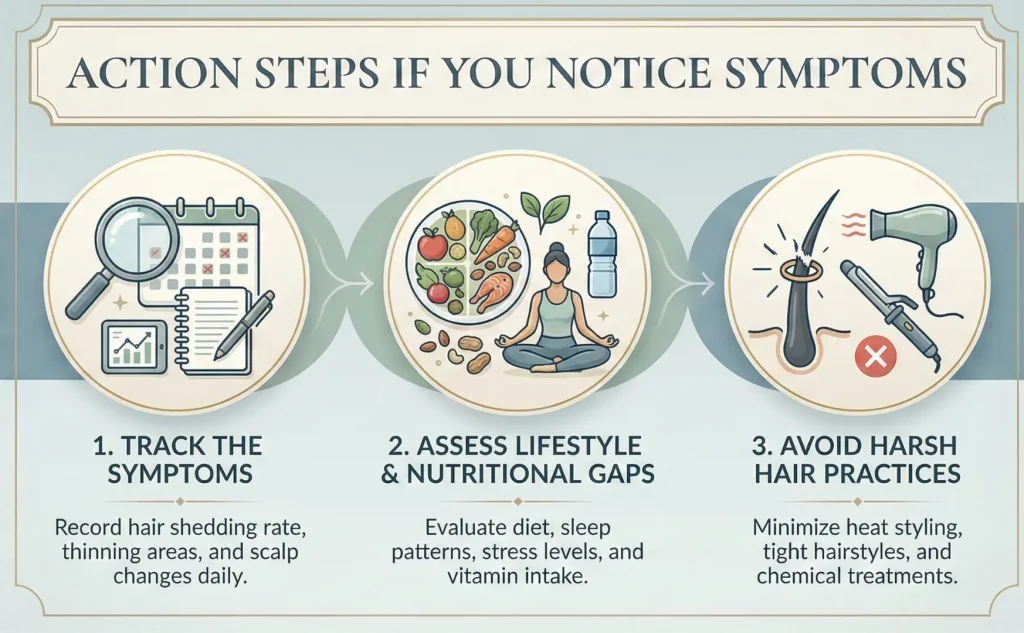
If you’re beginning to see signs of thinning, shedding, or any unusual hair loss symptoms, acting early can dramatically improve your chances of recovery. Hair loss is often progressive — the longer you wait, the harder it becomes to slow, reverse, or manage. Here’s what to do next:
Start by documenting what you’re experiencing. Consistent tracking helps identify patterns and gives your dermatologist accurate insights.
Healthy hair depends heavily on internal balance. Evaluate your diet and daily habits:
A basic blood panel (under medical guidance) can help rule out nutritional or hormonal imbalances early on.
While experiencing symptoms, treat your hair gently to minimise further damage:
Reducing mechanical and chemical stress gives your follicles a better environment to stabilise and recover
Ignoring early signs of hair loss can lead to long-term follicle damage that becomes harder — and costlier — to treat. Whether it’s gradual thinning, sudden shedding, patchy bald spots, or noticeable scalp changes, these symptoms go far beyond aesthetics. They often signal deeper issues such as hormonal imbalances, chronic stress, or vitamin deficiencies that need timely attention.
Taking action early gives you far more treatment options — from medical therapies and lifestyle adjustments to nutrition-led recovery. Early intervention isn’t just helpful; it’s the key to preventing progressive thinning.
At Wizderm Skin & Hair Clinic, we specialise in diagnosing and treating every stage of hair loss with personalised, evidence-based solutions. Whether you’re just starting to notice symptoms or dealing with persistent hair fall, our dermatology team is here to guide your recovery and restore your confidence
Don’t wait for visible bald patches or severe thinning to take action. Early diagnosis is the fastest way to stop hair loss and protect your long-term scalp health.
At Wizderm Skin & Hair Clinic, our dermatologists offer:
Book your consultation today and get a customised plan built around your hair goals.
If you are noticing symptoms of hair loss and want to stop them, you can start with gentle care. The gentle care includes avoiding using products with harsh chemicals, having hairstyles that need heat and need to be tied tightly. You can also go for topical medications like minoxidil or finasteride under the supervision of a dermatologist.
To help with hair loss, identify early hair fall symptoms like thinning, increased shedding, or receding hairline. Recognising signs of hair loss early helps you to get timely treatment with lifestyle changes, nutrition, and scalp care. Consulting a dermatologist can also prevent further damage and promote healthy regrowth.
Hair can grow back after hair thinning if the condition is caused by temporary factors like stress, poor nutrition, and hormonal changes. However, if the hair loss is caused by genetic factors, like androgenetic alopecia, reversal of hair growth becomes challenging. But there are medical treatments that can slow down the process.
Vitamin D, B12, B7, and iron deficiencies are commonly linked to hair loss. These nutrients support hair growth by aiding cell turnover, oxygen delivery, and keratin production. A lack of them can disrupt the hair growth cycle, leading to thinning, shedding, or brittle strands.
No, losing 50-100 hairs a day is considered normal. If it is more than that, then you might have to consider visiting a dermatologist.
In this Article
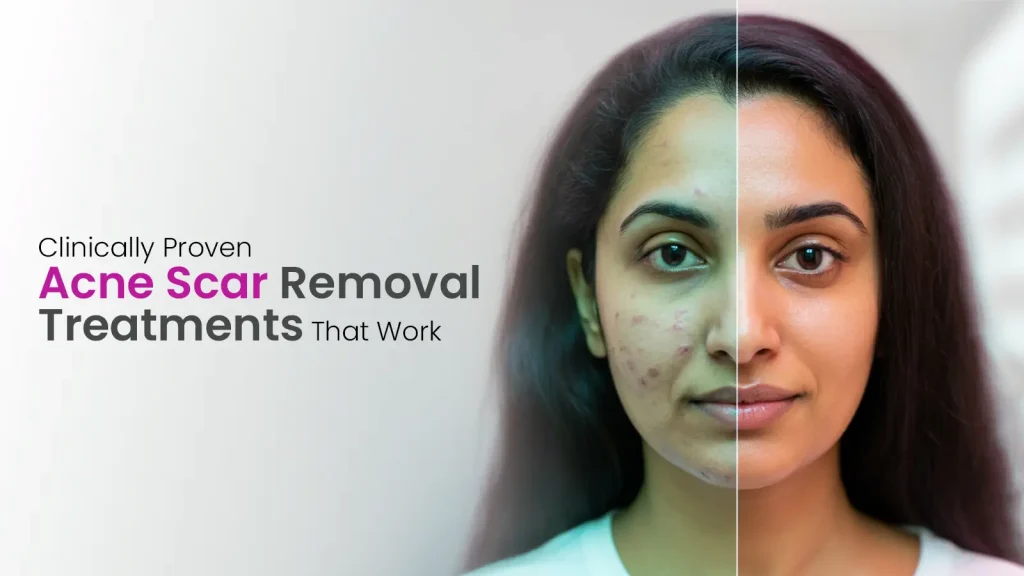
Breakouts are frustrating, but it’s the post-acne aftermath that truly lingers. Even after the pimples fade, you may still be dealing with uneven texture, dark marks, and the bigger question: what actually works for acne scar removal?
While makeup and filters offer a quick cover-up, dermatology offers something better: clinically proven acne scar treatments that rebuild the skin where scars form. With the right diagnosis and a personalised plan, smoother, more confident skin is absolutely possible. Let’s take a closer look at how.
Ever tried unlocking a lock without knowing which key fits? That is exactly what happens when you try treatments for removing acne scars without knowing what kind of acne scar you are dealing with. Dermatologists know that accurate diagnosis is half the cure, because how to treat acne scars depends entirely on the types of scars you have.
Here’s the breakdown of the most common types of acne scars, and how each one responds to specific treatments.
Ice pick scars are deep, narrow, V-shaped scars that seem like someone poked your skin with a needle. It is caused by severe cystic acne that destroys collagen and leaves behind pits.
These are the toughest to treat and rarely respond to topical acne scar treatment products alone. You’ll likely need in-clinic interventions for visible improvement
Boxcar scars are broad, U-shaped scars with sharply defined edges, creating a pitted look. These are caused by inflammatory acne that damages collagen, leaving behind shallow to moderate depressions on the skin.
These scars are commonly found on the cheeks and temples, and often become noticeable under certain lighting.
These kinds of acne scars can be treated with fractional lasers, microneedling, and dermal fillers to improve their depth and overall appearance.
Rolling scars look like wide, shallow depressions with smooth, wave-like edges; think of them as gentle dips across the skin. These scars occur due to damage to subcutaneous tissue that creates fibrous bands pulling down the skin.
These are treated with the help of subcision to release the tethered skin, Microneedling, a combination of laser resurfacing, and acne scar treatment at home.
Hypertrophic and keloid scars are raised, thick, rubbery areas of scar tissue that form when the skin produces too much collagen during healing.
Unlike hypertrophic scars, which stay within the original wound boundary, keloids can grow beyond the initial acne lesion and continue expanding over time.
They may appear pink, red, or deep brown, and can feel firm, itchy, or even tender. These scars are more common in darker skin tones, those with a family history of keloids, and individuals prone to inflammatory ac
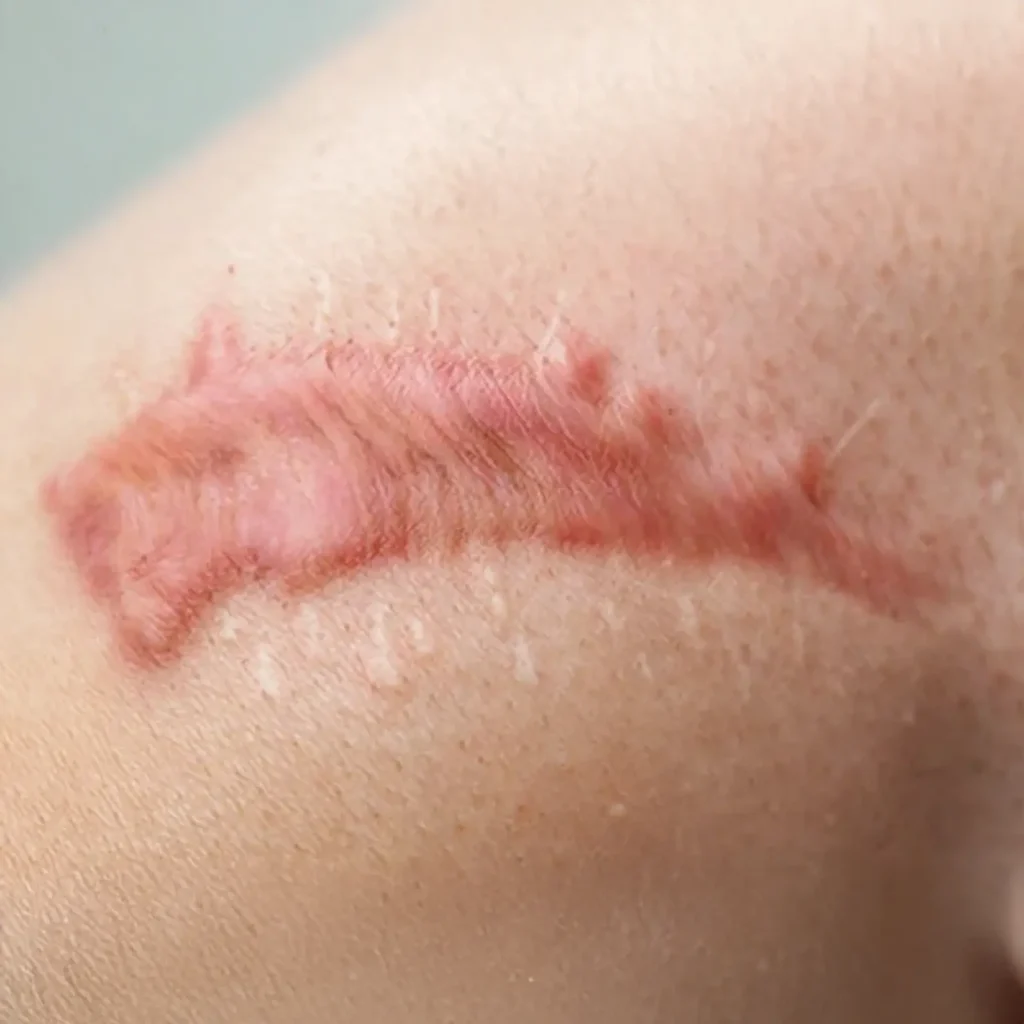
When we say “dermatologically approved,” we’re not tossing around fancy jargon. What it really means is this: the treatments you use are clinically backed, tested for safety, and designed to create real change, not temporary brightness or optical tricks that fade in a few days.
If you’ve been struggling with acne scars, here’s what truly dermatology-approved care means for you:
Dermatologists don’t rely on trends; they rely on evidence. Whether it’s laser skin resurfacing or prescription topicals, every recommendation is rooted in clinical research.
For example, fractional CO₂ laser treatments can reduce atrophic acne scars by 60–80% in just 3–5 sessions. That’s not an estimation; it is a documented, repeatable improvement.
On the topical side, your dermatologist may recommend proven actives like:
And if you’re using acne scar removal creams or face washes, they’ll ensure the actives are in the right concentration and formulation so you get real results, not irritation.
There’s no universal fix for acne scars. That’s why dermatology always starts with your skin.
Depending on your scar type, your plan may look different:
Your skin tone also influences your treatment path. For deeper skin tones, certain lasers can be risky, so dermatologists may choose safer options like Radiofrequency with Microneedling (MNRF), effective but gentler
Dermatologically approved means no DIY acid peels, no unregulated serums.
Every step, from the strength of a chemical peel to the depth of microneedling, is controlled by trained experts who understand your skin barrier, healing time, and long-term safety.
You get treatments that work without compromising your skin.
You’re never left alone to “figure it out.” Dermatologists adjust your plan as your skin changes. You might follow a blended routine, clinic sessions plus a simple at-home regimen, to steadily improve your scars.
Your progress is tracked. Your reactions are monitored. Your results are protected.
When it comes to acne scar removal, in-clinic treatments aren’t just effective—they’re elite. Think of them as the haute couture of scar repair: tailored, high-performance, and backed by dermatological science. These aren’t your DIY scrubs or over-the-counter wishful thinking—these are the gold standard solutions prescribed by skin experts who know their lasers from their lotions.
Here’s what’s dominating the dermatologist offices in 2025 and why they’re worth every session
Laser Skin Resurfacing is a cornerstone of professional acne scar treatment, offering targeted precision to reduce scar depth and improve overall skin texture. By stimulating collagen production, lasers help remodel damaged skin and restore a smoother, more uniform surface.
The types of lasers used for acne scars can vary depending on the type of scars:
Each laser resurfacing session typically costs around Rs 7,000 to Rs 12,000 per session. You will need 3 – 6 sessions across 6 months, depending upon your scar type and intensity, with a downtime of 3-7 days.
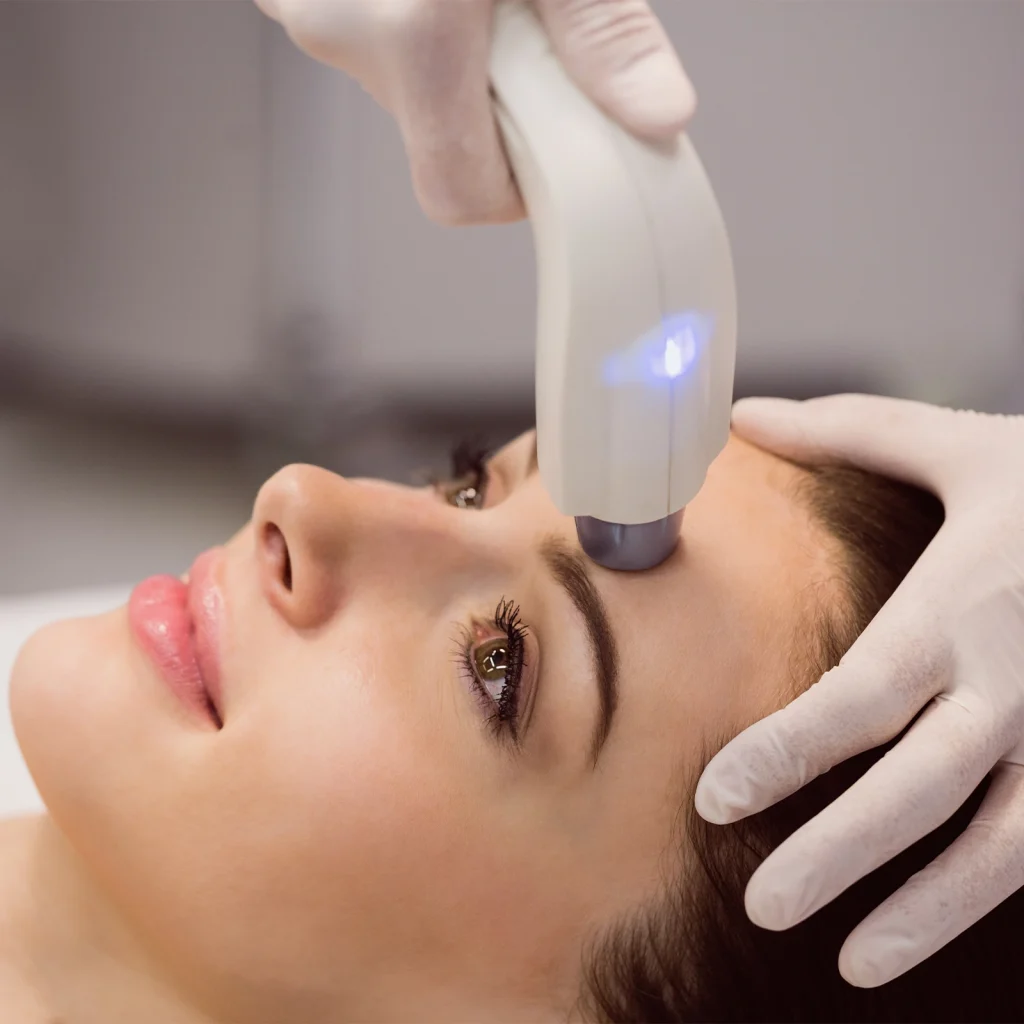
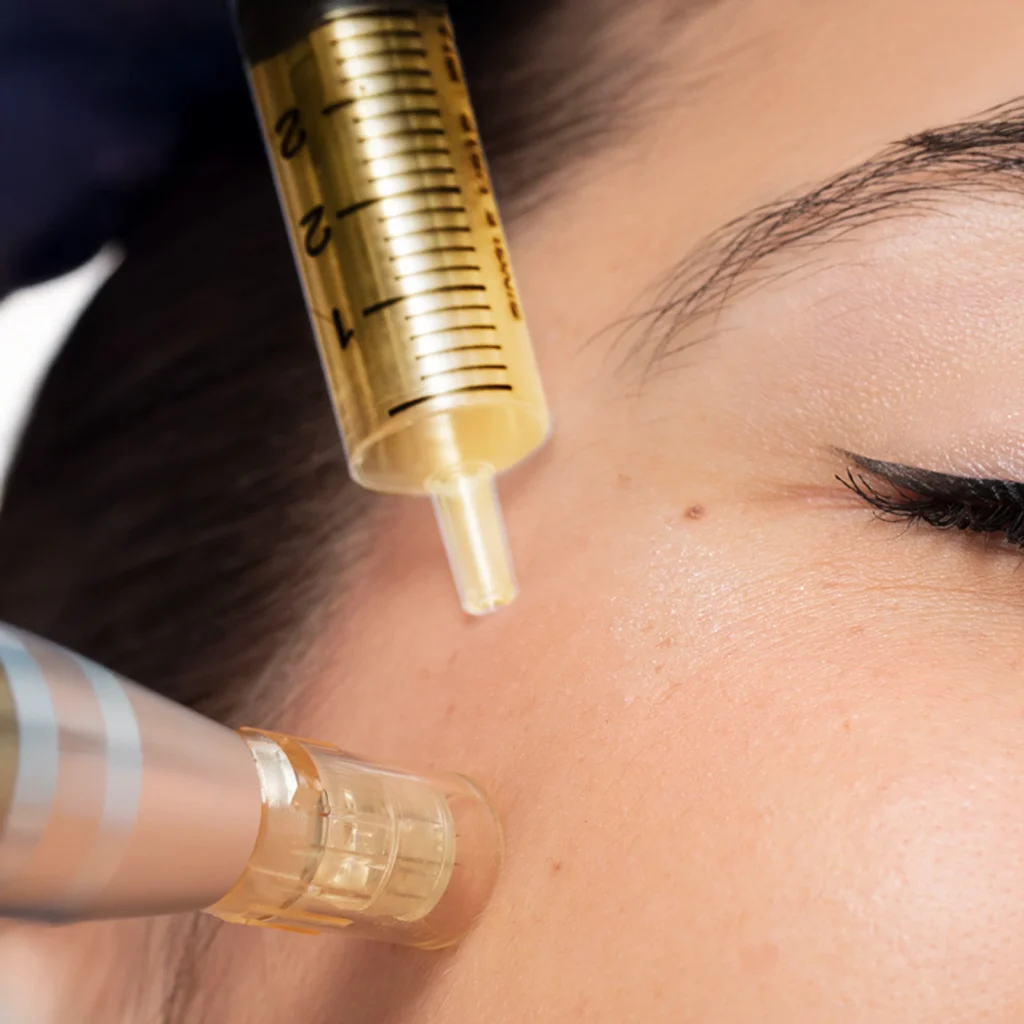
Microneedling, also known as collagen induction therapy, utilises fine needles to create controlled micro-injuries, thereby triggering the skin’s natural healing process. When combined with Platelet-Rich Plasma (PRP), the treatment becomes even more effective due to the regenerative growth factors in your plasma.These are best suited for rolling scars, mild boxcar scars, and uneven skin texture.
At Wizderm, you will find an innovative approach to microneedling. We add microneedling with radiofrequency (MNRF).
The treatment can cost you between Rs 5000 – Rs 25000, depending upon the severity, with a downtime of 1-3 days.
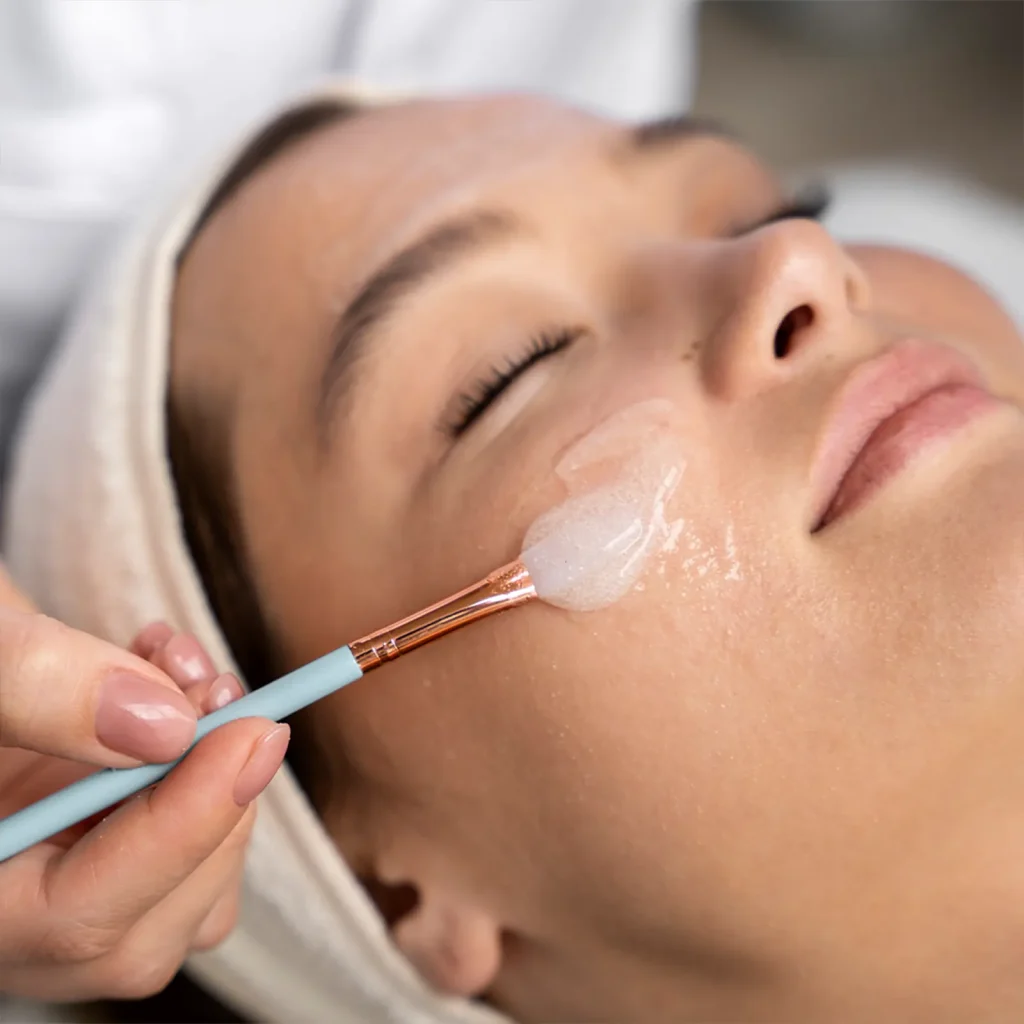
Professional-grade Chemical Peels use controlled exfoliation to remove damaged skin layers, reduce pigmentation, and refine texture. Dermatologists customise peel strength and frequency based on individual skin types and scar severity. This treatment is best suited for superficial scarring.
The downtime for this procedure is extremely minimal, say, 1-7 days and does not put a hole in your pocket as each session can range between Rs 1,500– Rs 5,000.
Subcision is a minor surgical technique that breaks down fibrotic tissue, pulling the skin down. This releases tethered scars and allows the skin to rise and smooth out over time. These are indicated for: Rolling scars and select boxcar scars.
Subcision has shown 60–70% improvement with just 1–2 sessions, especially when followed by fillers or laser treatments. Downtime is minimal, like mild swelling for 2-3 days, and results are often long-lasting.
Each session can cost you between Rs 6,000–Rs 15,000 per session.
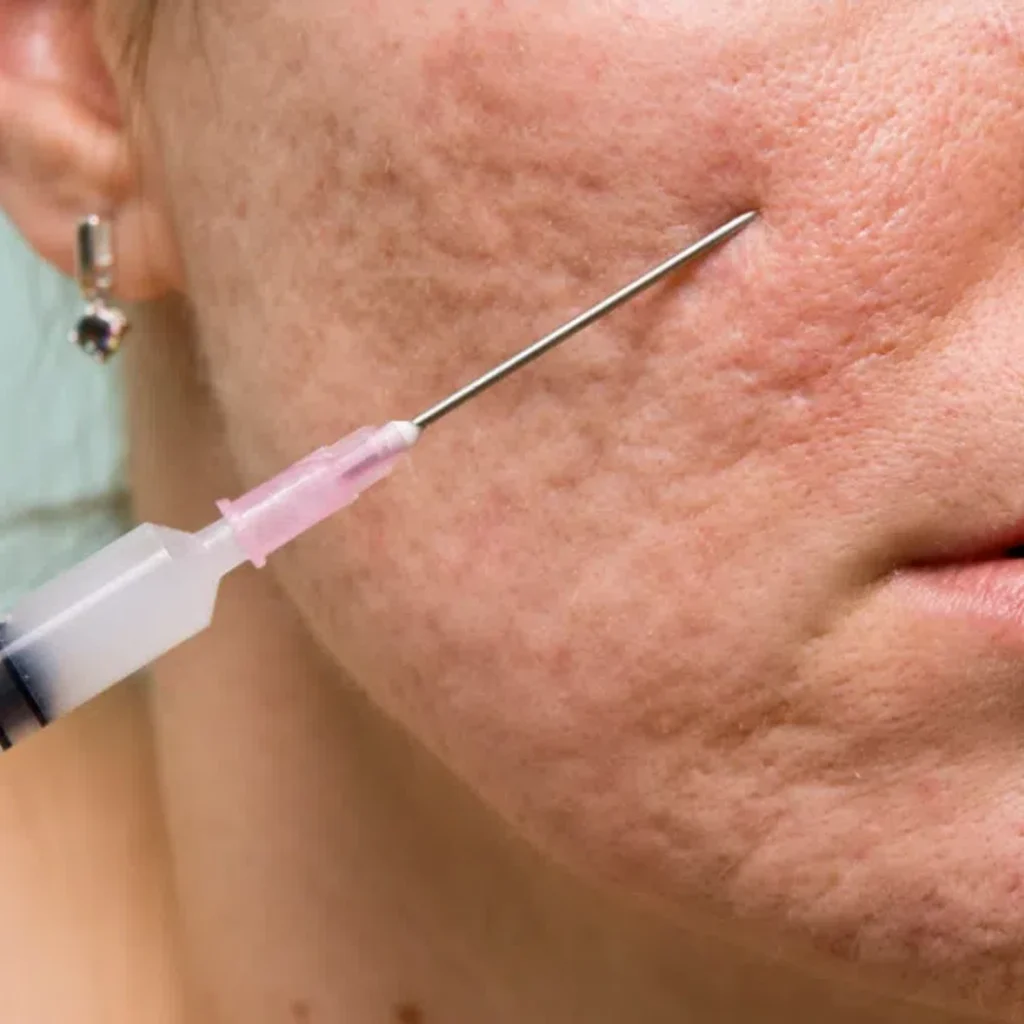
Dermal Fillers like hyaluronic acid are injected under indented scars to “lift” them up, providing an immediate improvement in skin texture. Though not permanent, they’re a fantastic bridge while waiting for collagen-boosting treatments to kick in.
Fillers can stay on for 12-18 months and can range between Rs 15000- Rs 25000, depending upon the scarring.
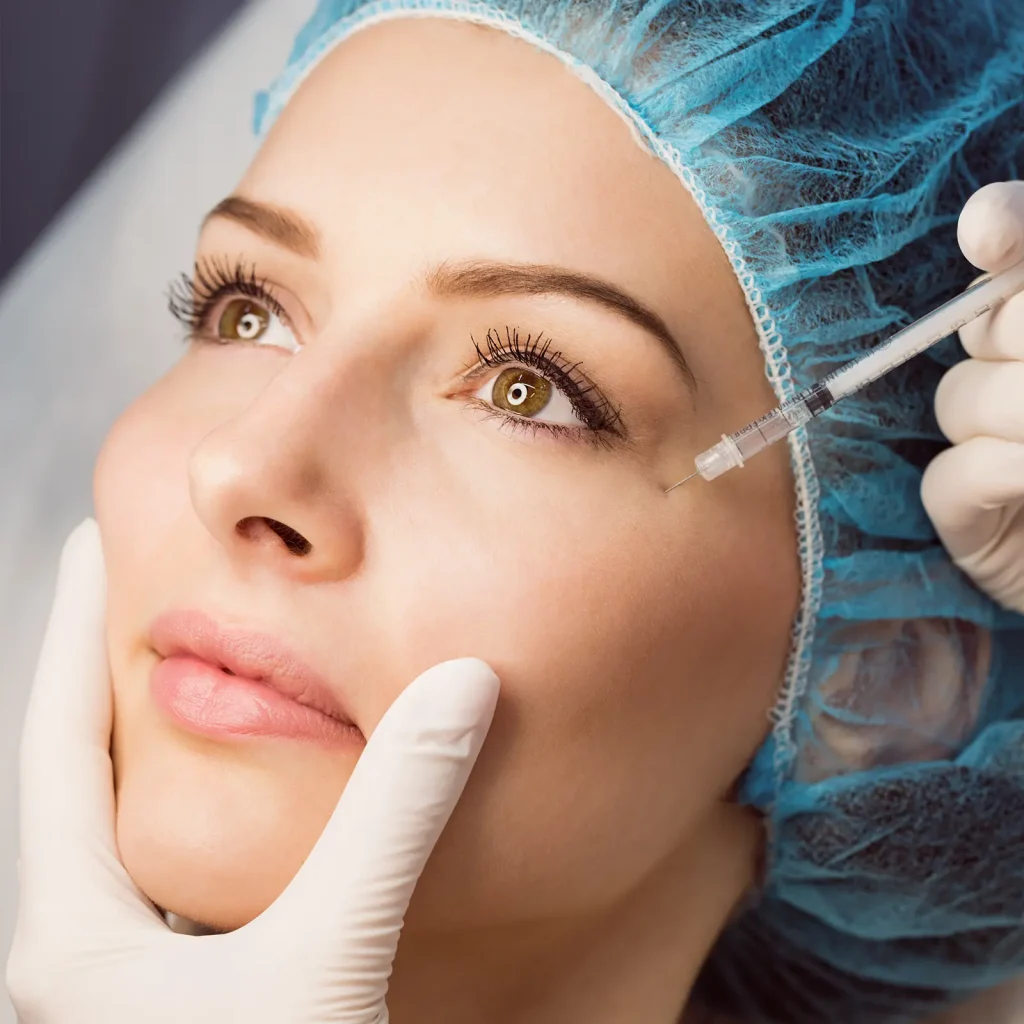
This precise chemical technique uses high-strength trichloroacetic acid to target individual ice pick scars, triggering controlled inflammation and collagen regeneration. This treatment is best suited for deep, narrow scars that don’t respond to lasers or peels.
This procedure can range between Rs 3000 – Rs 8000 per session.
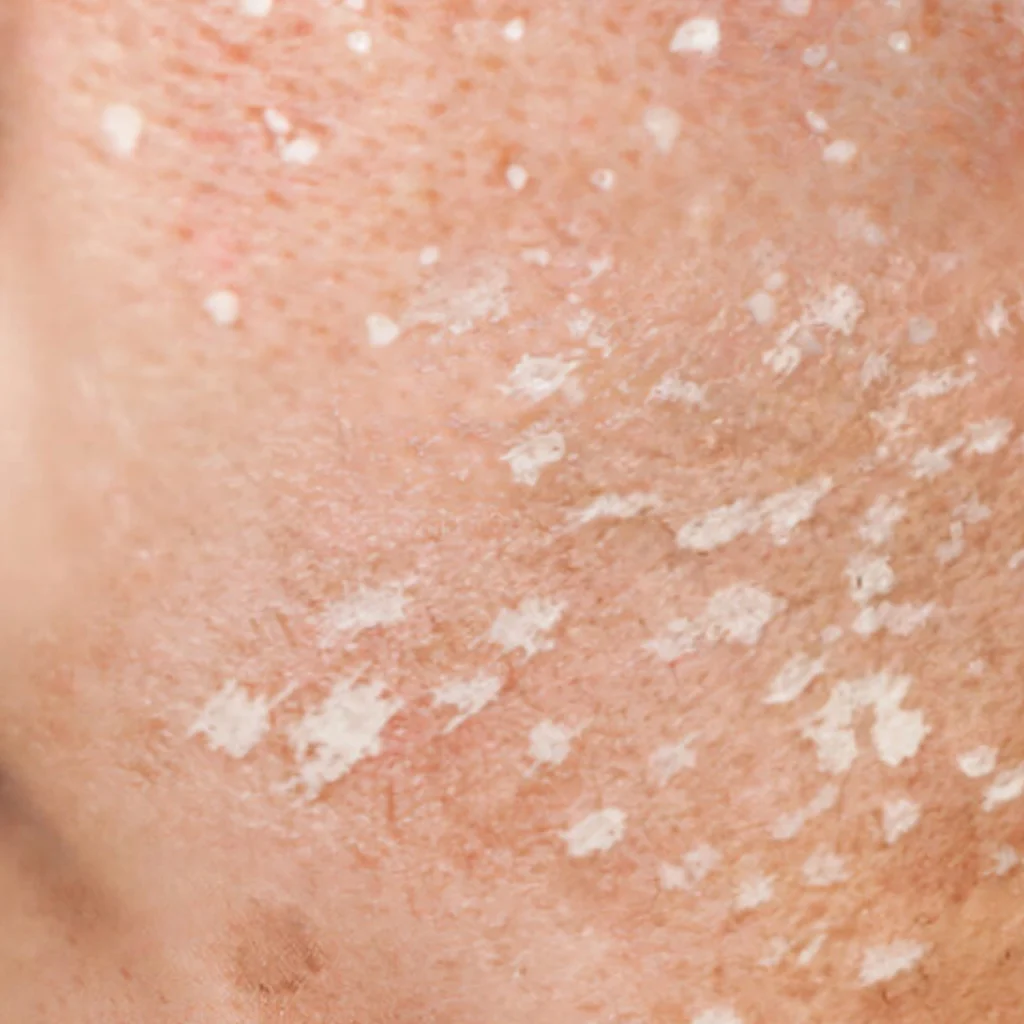
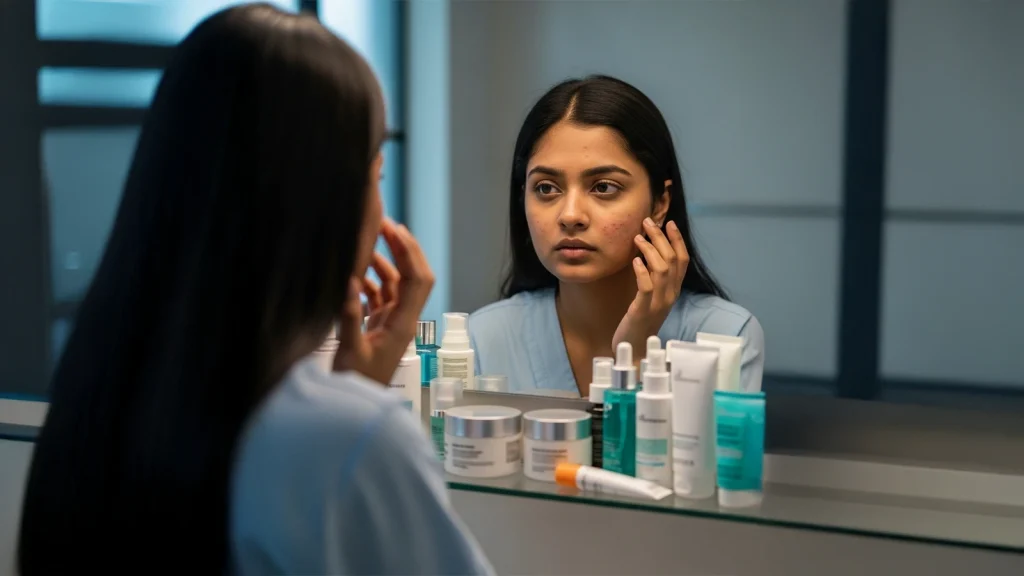
If you’re not clinic-bound just yet, good news: acne scar treatment at home can be effective, if done right and consistently.
These include:
Topical treatments typically show visible improvements within 8 to 12 weeks. Microneedling and PRP therapies may take around 3 to 6 months to deliver full results.
Fillers offer immediate results, though the effects are temporary. The common thread across all these options? Consistency.
A 2023 study published in Dermatologic Surgery found that patients who followed a combined 6-month regimen involving lasers, chemical peels, and at-home retinoids reported an impressive 80–90% satisfaction rate with their scar reduction outcomes.
Here’s the truth: complete acne scar removal is rare. But “barely noticeable” is very possible.
Scars are, by nature, permanent changes in the skin’s structure. However, with derm-grade interventions, most people achieve:
Expect scars to become visibly minimal and well-blended with your natural skin texture, rather than completely erased like a retouched image.
At Wizderm, we understand that each acne scar needs a different approach. So, every treatment plan is:
We combine:
Our goal is simple: to help you regain smoother, more confident skin, with the safest and most effective dermatological approach.
Acne scars can be stubborn, but science is firmly on your side. With the right diagnosis, consistent care, and dermatologist-led treatment, you can dramatically minimise scar visibility and restore a smoother skin texture.
Whether you’re starting with gentle at-home actives or ready for advanced procedures like lasers or microneedling, improvement is not just possible, it’s proven. Clinical treatments can deliver scar reduction, and a well-structured 6-month plan can take you from self-conscious to skin-confident.
Book a consultation with Wizderm and let’s build a personalised, clinical strategy that helps you finally see and feel the difference.
Yes, acne scar removal treatments can be safe for darker skin tones when performed by experienced dermatologists using the right techniques and technologies. However, it’s crucial to customise treatments—especially lasers and peels—to minimise the risk of post-inflammatory hyperpigmentation.
Acne scars are physical changes like indentations or raised areas, caused by damage from acne. However, dark spots are flat areas of discolouration caused by post-inflammatory hyperpigmentation (PIH), where the skin produces too much melanin after inflammation.
There aren’t any age restrictions regarding acne scar removal treatments, but there are factors to consider, particularly for younger individuals. Effective treatments are available for people of all ages, but the optimal time to treat scars is often when acne is under control and there’s minimal risk of future flare-ups.
Acne marks are unlikely to resurface exactly as they were treated. They may appear to be recurring; new ones may arise if the underlying problem is not treated. Lasers, microneedling, and chemical peels can help to reduce the look of acne; nevertheless, new acne can generate new scars.
Yes, many acne scar treatments—like chemical peels, microneedling, or laser therapy—can temporarily increase your skin’s sensitivity. This happens because these procedures exfoliate or penetrate the skin to stimulate healing. You may experience redness, dryness, or a heightened reaction to sun exposure and skincare products. Always follow post-treatment care instructions and use sunscreen to protect your skin and support its recovery while minimising irritation or sensitivity.
Downtime varies by treatment. Chemical peels may cause redness and peeling for 3–7 days. Microneedling typically has 1–3 days of redness. Laser treatments, especially ablative types, can require 1–2 weeks of healing. Dermal fillers usually have minimal downtime—just slight swelling or bruising. Each skin type responds differently, so always consult a dermatologist for personalised guidance and follow aftercare instructions to speed up recovery and avoid complications.
In this Article
What is Female Pattern Baldness?
What are the Signs of Female Pattern Baldness?
Stages of Female Pattern Hair Loss
Causes of Female Pattern Baldness
Diagnosis of Female Pattern Baldness
What’s happening on the Scalp in Stage 5?
Treatments Available for Female Pattern Baldness
Prevention of Hair Loss in Females
When to Consult with a Doctor?
Male Pattern Baldness Today: What’s Changed?
Stage 1 Of Male Pattern Hair Loss: The Calm Before the Storm
Stage 2 Of Pattern Baldness in Men: The Temple Recession
Stage 3 Of Pattern Baldness in Men: Recession Becomes Reality
Stage 4: Crown Thinning Begins
Stage 5: When Front and Crown Connect
When to Seek Professional Help? Stage 6 & 7: The Advanced Phases
Hair loss can be stress-induced, seasonal and even a result of a poor diet. It is a very common concern for most individuals; however, it can get overwhelming for women. Globally, millions of women are affected by female pattern baldness, leaving them vulnerable on their happiest days. Studies show that 20 to 30% of women in India experienced severe hair loss and thinning in 2020.
While women of any age can be affected by the condition, research suggests that female pattern hair thinning is common in 40% of Indian women by their 40s. Early pre-screening can increase the efficacy of hair loss treatments.
Learn which treatment is best for hair loss by understanding the stages of baldness in women. This article outlines a comprehensive study on androgenetic alopecia, so read on for more details.
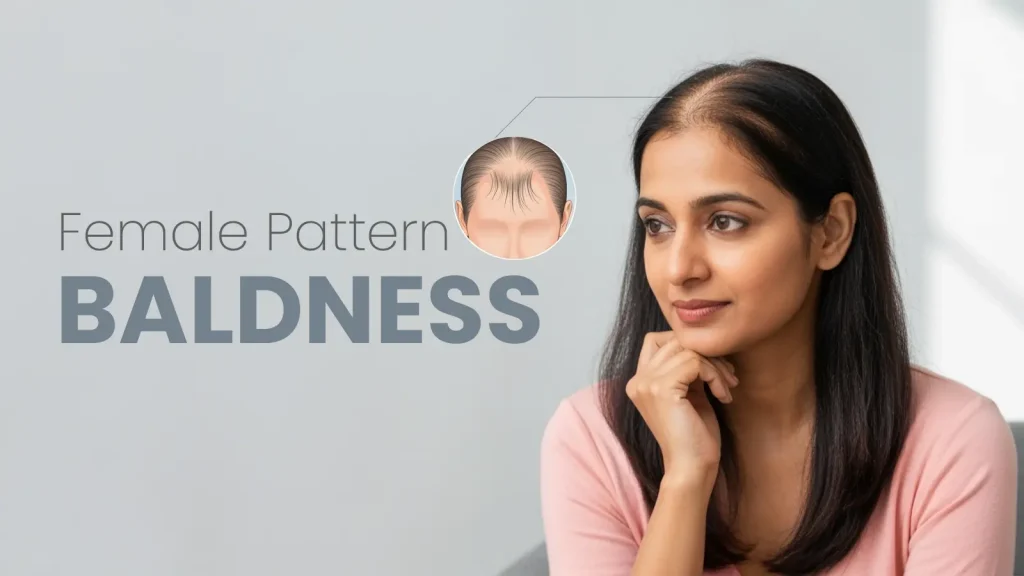
Female pattern baldness, also known as androgenetic alopecia, is a condition in females in females characterised by hair thinning on the scalp. While this medical condition can affect females of any age, it is more common in women over the age of 50, especially after menopause.
While male pattern baldness (also called androgenic alopecia) is characterised by thinning at the crown and a receding hairline, female pattern hair loss (FPHL) displays balding across the top of the scalp.
Female pattern hair loss is characterised by gradual thinning across the scalp, with the hairline usually remaining intact. You may first notice more than 100 strands on your brush each day, or perhaps see your hair part widening—especially in the centre—or less volume at the front.
While this condition isn’t physically painful, it can affect your confidence at every stage of hair loss. To help diagnose and treat the condition, dermatologists often use the Ludwig Scale, which outlines three distinct stages of female hair loss.
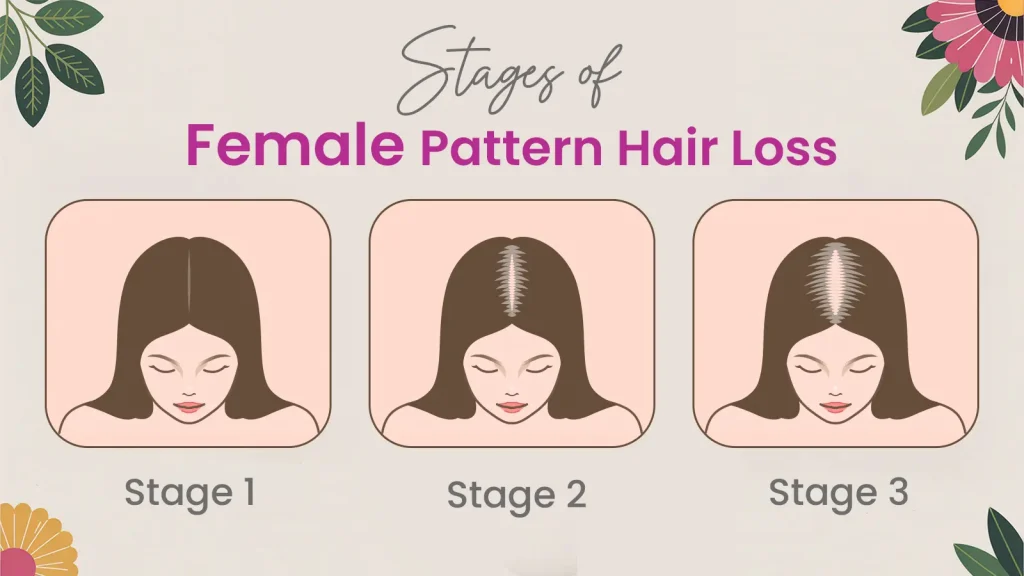
Dealing with hair loss can be emotionally challenging. With the help of the Ludwig Scale, hair loss experts can suggest effective treatment to promote hair growth. Let’s understand it now:
This stage features widening of the hair parting from the centre of the scalp. You may notice that hair appears less voluminous than before; however, no changes will be seen along the hairline yet.
In the 1.1 sub-stage (or the ‘natural hair parting’ phenomenon), the hair along the central scalp seems naturally thick. The skin on the central part of the scalp is also less visible here. Gradual hair thinning starts around the area by 1.2, and intensifies towards the sub-stage 1.3. Often, hair loss experts will recommend clinically proven PRP treatments to thicken the gap.
Hair loss and thinning in the top middle part progress to the second stage, with more visibility than before. You may also realise that hair volume has decreased considerably. While the middle part widens, the thinning extends to the crown. Hair styles may not hold up well as the hair feels and looks thinner. Furthermore, hair shedding increases when you shower or brush through the hair.
The most severe form of hair loss in females starts in this stage. The bald patches become much more noticeable. You may lose the overall hair density, and may even notice complete loss of hair in the frontal scalp. This extreme form of hair loss pattern is difficult to treat unless you seek expert hair transplant services.
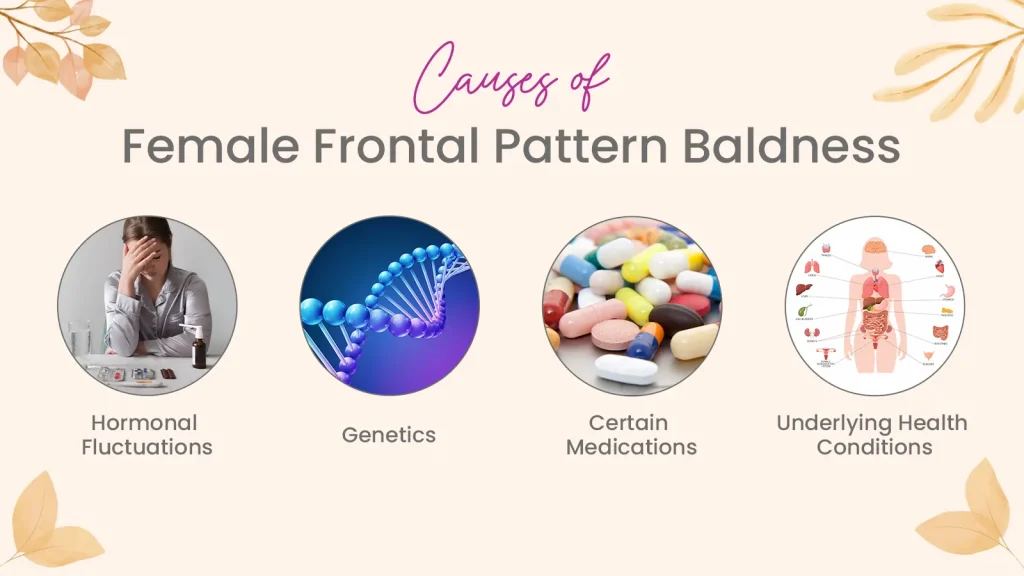
Age is one of the common causes of female frontal pattern hair loss. The other causes of hair loss in females are outlined below:
The DHT or dihydrotestosterone hormone (an androgen type) helps with physical maturity. During puberty, it accelerates hair growth on the face, scalp, and the rest of the body. However, scientists and researchers link the DHT hormone to male and female pattern baldness. In females, especially after menopause, this hormone binds to hair follicles, causing them to shrink and shorten the hair growth cycle. This can therefore be a reason for hair thinning in women, which may ultimately lead to hair loss in some cases.
Female pattern hair loss (FPHL) is often considered a genetic condition, where the inherited genes make the hair follicles more vulnerable to androgens like DHT. This results in shrinkage of hair, which ultimately leads to the production of shorter, thinner, and more damage-prone follicles.
Medications like beta blockers, chemotherapy, antidepressants, and blood thinners can contribute to hair loss in women.
In some females, frontal hair loss can be a sign of an underlying medical condition, like autoimmune or hormonal disorders. Women affected by anaemia, alopecia areata, polycystic ovary syndrome (PCOS), thyroid problems, and lupus can be significantly prone to hair loss.
You can easily recognise hair loss in women by the appearance and differences of their hair texture, volume and density. However, a medical expert may need to perform a physical exam to confirm the treatment. It is also important to rule out other potential causes of hair loss to ensure an accurate diagnosis.
Questions such as medical history, genetic history of baldness or hair loss and the initial period of noticing hair loss are common in such physical examination. Additionally, with the help of a densitometer, the doctor may also examine your scalp. They can measure the width of the central part of your scalp or other affected areas and the thickness of the hair follicles.
Upon finding a link between hair thinning and FPHL, the doctor may:
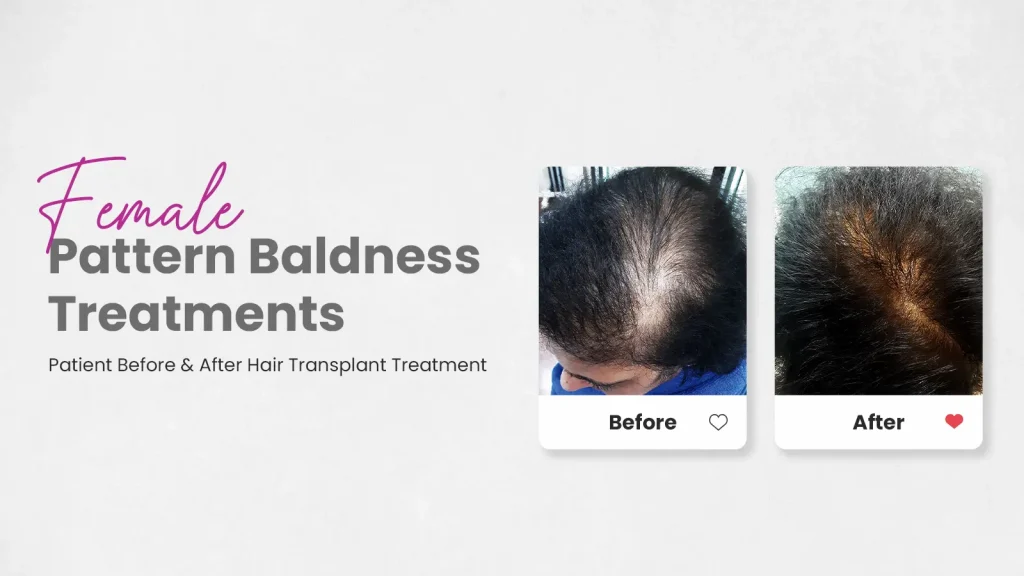
A healthcare provider can suggest a combination of hair treatment solutions for female pattern hair loss, some of which may include:
Minoxidil is a commonly prescribed medicine that may be suggested as the first course of treatment. With available formulas of 2% or 5%, minoxidil helps with significant hair regrowth, providing a thicker appearance. However, you should use it consistently for 6–12 months to see results. Other OTC medicines that can help manage female pattern baldness include Finasteride and Dutasteride. Some doctors may also recommend Spironolactone, which helps remove excess bodily fluid and prevents androgen production, thereby inducing hair regrowth.
A hair loss expert can recommend this treatment to women who have not responded well to the other available treatments. In this process, hair follicles are transplanted across scalp areas with healthy hair growth to the bald or thinning-affected areas.
Also called low-level laser therapy, this non-invasive hair treatment uses red light to promote hair follicle regeneration. This procedure exposes the scalp to specific light wavelengths, which penetrate the hair follicles. This increases cell proliferation and enhances blood circulation across the affected areas.
Platelet-Rich Plasma (PRP) therapy for hair involves drawing the patient’s own blood and injecting it into the scalp to rebalance the hair follicle activity. The growth factors in the platelet-rich plasma help significantly in promoting hair regeneration and enhancing hair density.
For people who are apprehensive or uncomfortable about availing all the above-listed clinical treatment options, managing female pattern hair loss with wigs or certain hairstyles can be a helpful alternative.
It’s important to note that treatment effectiveness varies between individuals, and consulting with a healthcare professional is essential to develop a personalised treatment plan.
The following are 3 practical ways one can keep their hair healthy, and can prove to help with hair growth:
Reaching out to a healthcare professional at the very instant one notices the signs of female hair loss can help treat the condition at the earliest. While it may be emotionally challenging to deal with the constant fear of losing one more strand of hair, it is essential to reach out for help from friends, family and an expert.

Don’t let Female pattern baldness affect your mental health. Wear your hair in your desired way with confidence while guided by a highly recognised skin and hair clinic, Wizderm. At Wizderm Skin and Hair Clinic, we offer advanced hair treatment for hair loss that ensures minimally invasive, highly effective and painless hair regrowth.
Take a step forward to accomplishing your hair goals today – book an appointment at your nearest Wizderm Skin and Hair Clinic now!
Female pattern hair loss, or androgenetic alopecia, is not fully reversible. However, availing clinical treatments or OTC medications like hair transplant, PRP therapy or minoxidil, regrowth is possible.
Hair loss cannot be completely reversed. When the condition is left untreated or when the hair loss cycle progresses to the advanced stage, it can lead to permanent hair loss. However, with the help of professional guidance and hair loss treatments, potential hair growth is achievable.
Androgenetic alopecia in women can start at any age. However, it is more prevalent in women aged between 40 – 60, as they reach or are at menopause.
Deficiency in vitamin D, B (biotin, folate and B12), zinc and iron can disrupt the hair growth cycle. This can result in weak hair follicles and increased hair shedding and thinning.
Preventing hair fall requires a holistic approach, including healthy hair habits, seeking professional treatments and consuming a healthy diet. Try incorporating foods that are rich in iron, protein, omega-3 fatty acids and biotin to promote hair growth and health.
Hair loss in women is primarily caused by genetic factors. This can be identified by hair thinning, excessive hair shedding, a widening middle parting, and a receding hairline. However, a healthcare professional will only be able to confirm this through a comprehensive diagnosis. It is important to consult a healthcare provider for an accurate evaluation and personalised advice.
PRP hair therapy for hair loss works in both males and females, and on every scalp type. It is an effective treatment that involves using the patient’s own blood to promote hair growth, and is highly beneficial if availed in the earlier stages of balding.
Hair baldness in women is treatable, not curable. This medical condition cannot be entirely reversed; however, effective treatments can help manage hair loss and potentially support hair growth. Consulting a healthcare professional ensures you receive the best guidance tailored to your individual condition.
In this Article
Male Pattern Baldness Today: What’s Changed?
Stage 1 Of Male Pattern Hair Loss: The Calm Before the Storm
Stage 2 Of Pattern Baldness in Men: The Temple Recession
Stage 3 Of Pattern Baldness in Men: Recession Becomes Reality
Stage 4: Crown Thinning Begins
Stage 5: When Front and Crown Connect
When to Seek Professional Help?Stage 6 & 7: The Advanced Phases
Male Pattern Baldness Today: What’s Changed?
Stage 1 Of Male Pattern Hair Loss: The Calm Before the Storm
Stage 2 Of Pattern Baldness in Men: The Temple Recession
Stage 3 Of Pattern Baldness in Men: Recession Becomes Reality
Stage 4: Crown Thinning Begins
Stage 5: When Front and Crown Connect
When to Seek Professional Help? Stage 6 & 7: The Advanced Phases
Noticing your hairline creeping back or a widening part in your crown can spark a quiet panic. You may find yourself googling hair loss remedies at 2 AM, zooming in on old photos, or avoiding certain hairstyles. The truth is, male pattern baldness (MPB), also known as Male Androgenetic Alopecia, is incredibly common. According to NCBI, by the age of 50, nearly 30-50% of men will experience some form of it.
But here’s the good news: It can be managed.
Today’s understanding of Male Androgenetic Alopecia has come a long way from outdated myths and miracle oils. Male pattern baldness shows to follow a predictable pattern, and we can track its progression using the Norwood Hamilton Scale, a 7-stage system that shows how hair loss evolves; from barely-there changes to advanced thinning.
This article will walk you through all 7 stages of male pattern hair loss, and what to do at each one.
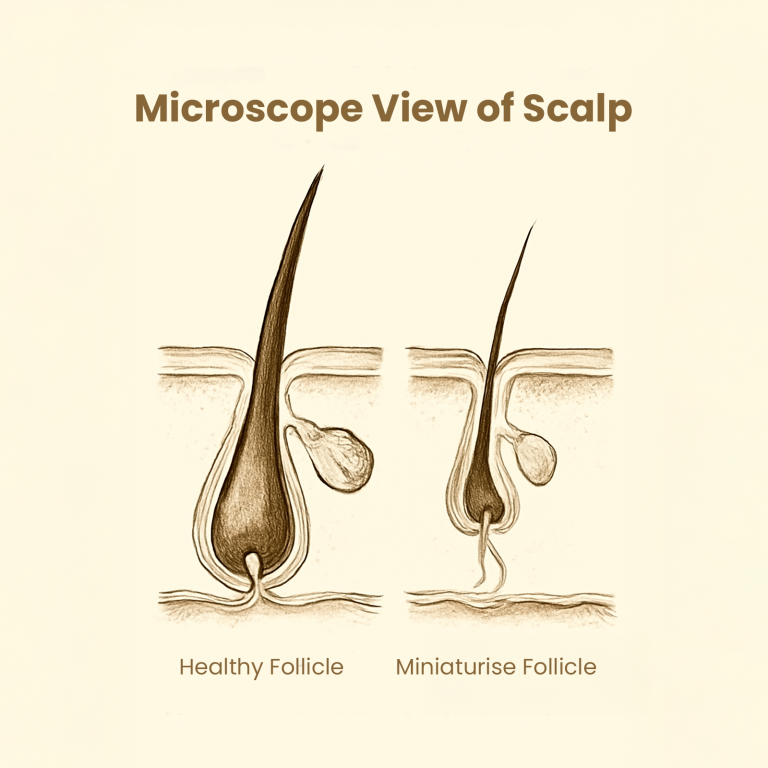
At Stage 1 of the Norwood Scale, there is no obvious hair loss to the untrained eye. The hairline looks intact, the crown seems full, and most men don’t suspect anything is wrong. But this is where early signs of Androgenetic Alopecia in men quietly begin.
While visually unnoticeable, internal changes may already be in motion. Hair follicles, especially along the frontal hairline and crown, may start miniaturizing due to the effects of dihydrotestosterone (DHT), a hormone known to shrink follicles over time in genetically susceptible men.
According to Dr. Jerry Shapiro, Professor of Dermatology at NYU Langone Health,
Hair loss begins before it’s visible. By the time patients notice recession or thinning, up to 50% of the hair in that area may already be miniaturised.
Increased daily hair shedding (more than 100 strands/day).
Feeling like your hair is getting “lighter” or less dense.
Dry, itchy, or inflamed scalp—sometimes the result of stress or poor scalp health accelerating hair loss.
Noticeable widening of part lines (especially visible under bright light or wet hair conditions).
What You Can Do at Stage 1?
Get a trichoscopy or scalp imaging scan to detect early follicular miniaturization.
Start preventive scalp care: caffeine-based shampoos, DHT-blocking ingredients like saw palmetto, and salicylic acid for buildup removal.
Focus on nutrition (iron, vitamin D, omega-3s) and reduce chronic stress, both of which are strongly linked to telogen effluvium and DHT sensitivity.
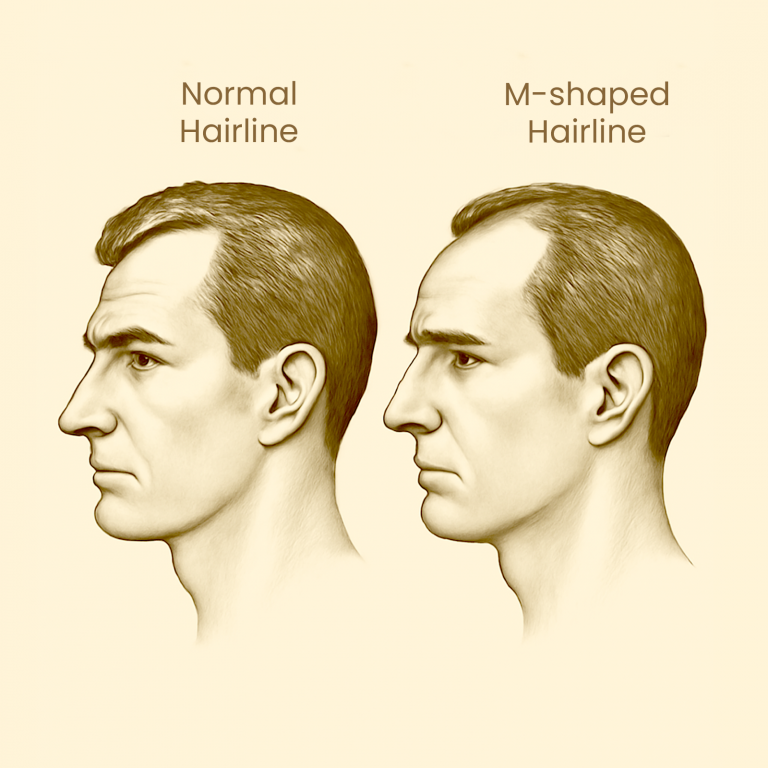
This is where male baldness begins to leave visible clues. At Stage 2 on the Norwood Scale, there is noticeable thinning or recession at the temples, typically forming the earliest signs of an “M-shaped” hairline. The central hairline may still appear stable, but the corners are beginning to recede. This stage is still considered mild, but it’s a turning point—a signal that the underlying hair loss process is accelerating.
Since the overall hair density may look normal, many men tend to avoid going to the doctors. They also start extensively using over-the-counter remedies. Some would simply ignore the signs until it gets worse.
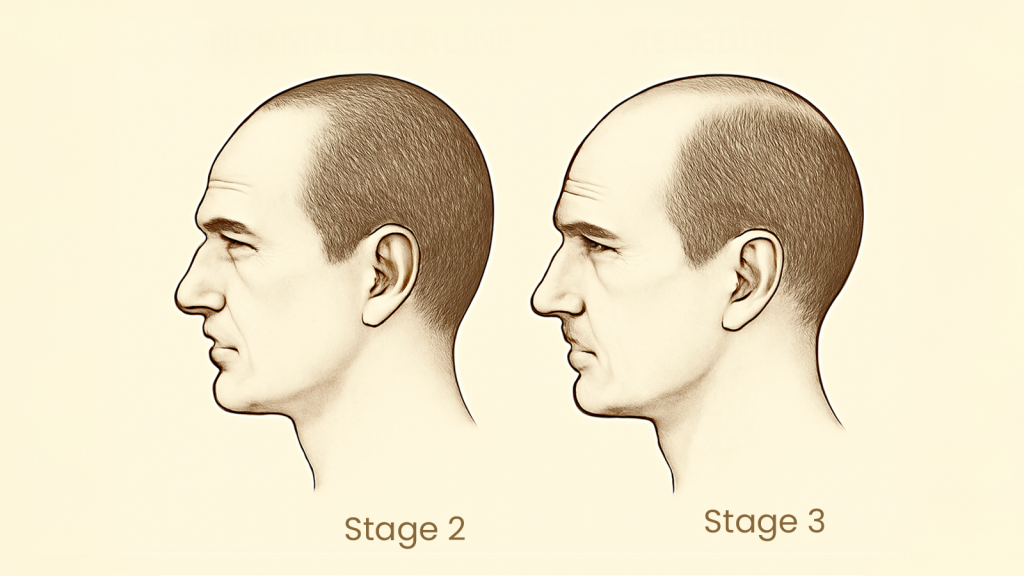
At Stage 3, male pattern baldness becomes visibly noticeable to others. The M-shaped hairline deepens with more pronounced temporal recession, and for many men, this is the first point where denial starts to fade and concern becomes real.
According to dermatologists, this is the most common stage at which Indian men seek clinical help, often after trying home remedies or cosmetic cover-ups that haven’t worked.
Topical minoxidil (2%-5%) is an FDA-approved drug and is easily available in India. Minoxidil helps in increasing blood flow to the hair follicles. It also helps in extending the growth phase and helps maintain hair density.
Finasteride blocks the enzyme 5-alpha-reductase, which converts testosterone to DHT. Finasteride is clinically proven to slow hair loss and promote hair regrowth.

At this stage, the follicles at the temples are now significantly miniaturised, producing thinner and weaker hair that is more likely to fall out. The central hairline may also start moving backwards, though the crown usually remains intact at this point. This is when men start noticing:
At this point, you should only stick to proven treatments but intensify the dosage. The Topical Minoxidil dosage should be upped to 5% and used consistently. Pair with microneedling once or twice a week to increase absorption and stimulate dermal papilla cells. You can also consider using Duasteride in a low dose if Finasteride has not worked for you. This should be under complete dermatologist supervision.
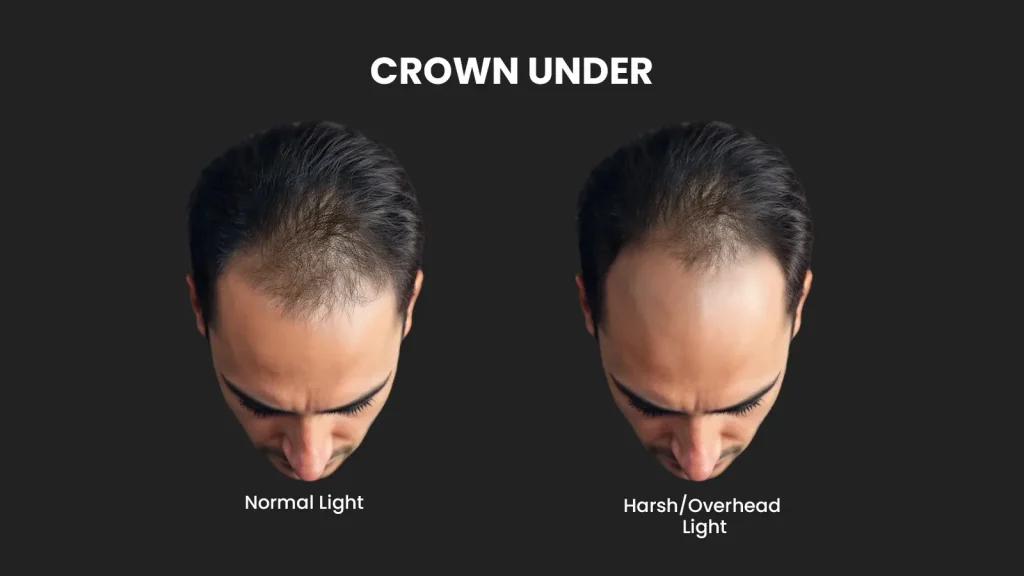
If you’re noticing your scalp peeking through the top of your head, especially under overhead lighting or in photos, you’re likely entering Stage 4 of male pattern hair loss. At this stage, your hairline continues to recede, but the real game-changer is what happens at the crown (also known as the vertex). This is when two previously separate zones: your temples and the crown, start showing noticeable thinning, and for many men, that’s when the alarm bells ring.
Unlike frontal recession, which is easier to spot in the mirror, crown thinning often goes unnoticed until it becomes significant. The hair at the crown tends to thin in a circular or spiral pattern, gradually expanding outward. Because the crown is difficult to see without mirrors or photos, many men don’t realise they’re losing hair there until the area is already advanced.
At this point, treatment needs to be multi-modal; a single product or supplement won’t reverse crown hair thinning alone.
Minoxidil is particularly effective at encouraging regrowth on the crown. This product should be applied twice daily, as consistent use is essential for visible results. Choosing a spray or foam format can help achieve more even coverage across the crown area.
Formulated with proven DHT blockers that can slow or halt hair loss at both the hairline and crown, treatment often begins with Finasteride, while Dutasteride may be considered off-label for stronger control. Noticeable improvement usually appears within three to six months of consistent use.
Devices like laser combs and helmets help in stimulating the blood flow and ATP (Adenosine Triphosphate) in follicles. ATP production is the main part that helps in the normal hair growth cycle and hair shaft formation. LLLT is especially beneficial for widespread thinning of the crown.
Hair PRP treatment involves injecting your own growth factors on the scalp to stimulate inactive follicles. It also works well with oral and topical medication.

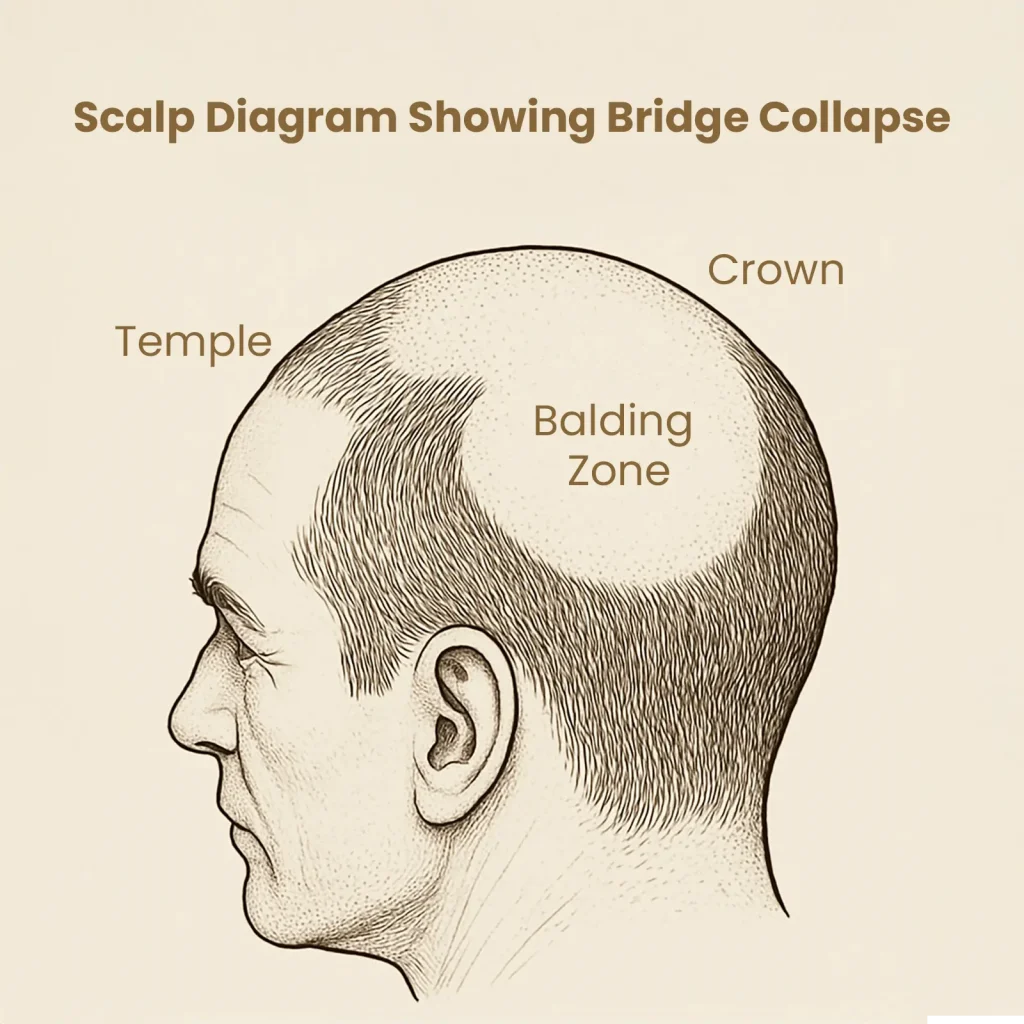
Stage 5 marks a critical turning point in male pattern hair loss—this is where the once-separate areas of hair loss at the frontal hairline and crown begin to merge. The “bridge” of hair that previously separated the two zones starts to thin out or vanish completely, leading to a large balding area across the top of the scalp. This is often when men begin seriously exploring medical intervention or hair restoration options
This is considered the beginning of advanced male pattern baldness.
At this stage, regrowth becomes more challenging but not impossible—especially with the right mix of therapies. However, expectations need to be realistic. Most results aim to improve density and prevent further loss rather than restore a full head of hair without surgical support.
At stage 5, Dutasteride or Finasteride is essential to stop further miniaturisation of hair follicles. Although Dutasteride helps with deeper DHT suppression, you should use it only if it’s prescribed by a dermatologist.
PRP combined with microneedling helps stimulate dormant follicles and improve scalp health. It’s especially effective in the thinning “bridge zone,” potentially thickening weak hair. Results vary, depending on follicle viability and consistency of treatment.
Hair transplantation is the most effective long-term solution for Stage 5 hair loss. It involves relocating healthy follicles from the sides and back to bald areas. Advanced techniques like FUE and DHI provide natural, lasting results with proper post-op care.
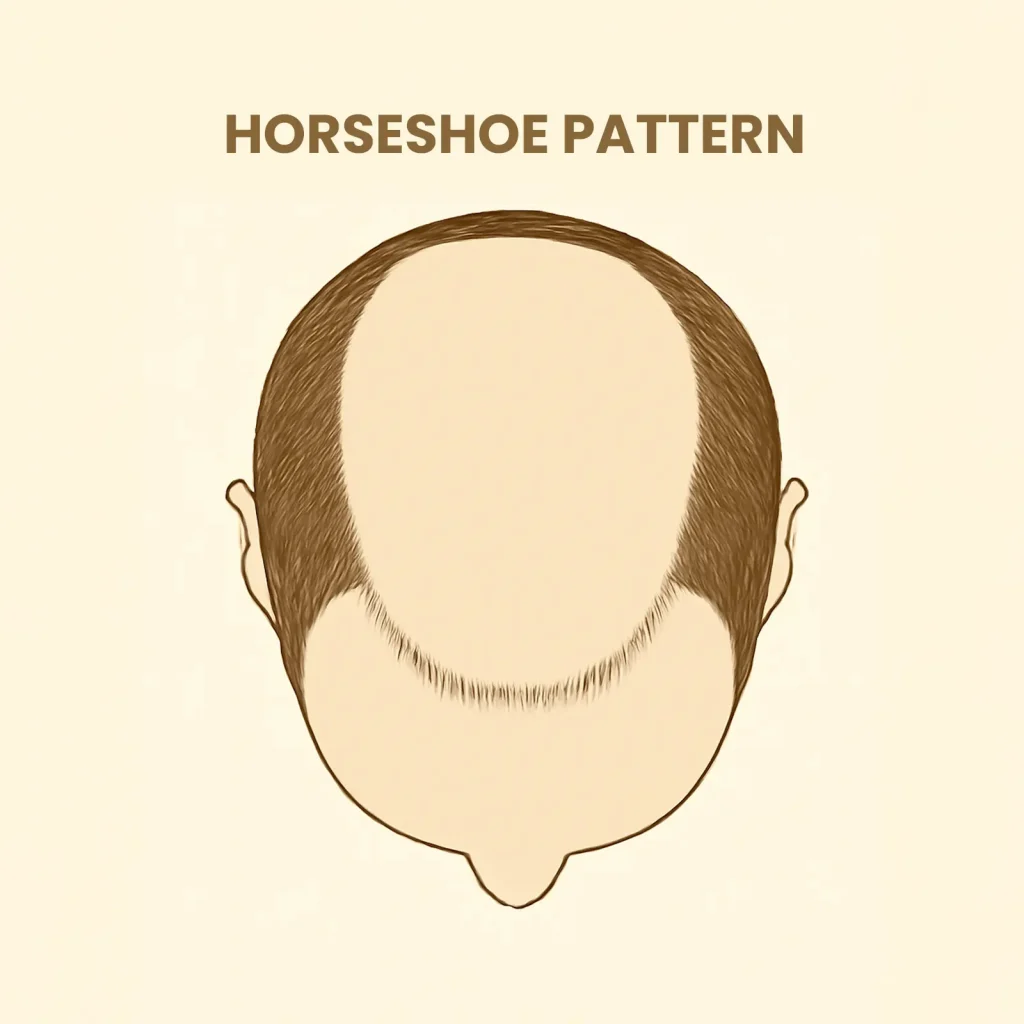
By the time a man reaches Stage 6 or 7 of male pattern baldness—also known as advanced androgenetic alopecia for men—most of the top of the scalp is bare. What remains is a rim of hair around the sides and back of the head, forming what is famously referred to as the “horseshoe pattern.”
At this stage, the battle is no longer about preventing hair loss—it’s about deciding how to live with it, restore it, or redefine your look altogether.
The horseshoe-shaped rim of hair (also known as the occipital and parietal fringe) is often resistant to DHT, which is why it remains even when the crown, front, and mid-scalp have gone completely bald. But this remaining hair often thins in density too, and the scalp becomes fully visible under light.
The front and crown have merged, forming a single, large bald area across the scalp.
The bridge of hair in the mid-scalp is gone or extremely sparse.
Hair loss on the sides and back may creep higher, especially in Stage 7.
Scalp health declines, with lower blood flow and reduced follicular activity.
Hair transplant surgery is an option for advanced hair loss, but it comes with limitations due to the finite donor area—typically the sides and back of the scalp. This restricted supply of healthy follicles means full coverage, especially for extensive balding, may not be achievable. Instead, the realistic goal becomes creating a natural-looking hairline or partially restoring density in strategic areas to frame the face and improve overall appearance. Techniques like Follicular Unit Extraction (FUE) or Follicular Unit Transplantation (FUT) are commonly used, though patients may require multiple sessions to achieve desired density and coverage.
Maybe it’s just a receding hairline. Maybe the crown is starting to thin. Or maybe you’re already seeing that classic horseshoe pattern. No matter which stage of male pattern baldness you’re in, there’s always a path forward.
At Wizderm, we don’t believe in one-size-fits-all treatments. Our expert dermatologists use a stage-specific, root-cause-based approach to assess your condition and create a personalised plan; whether that involves minoxidil, oral finasteride, non-hormonal innovations, or hair restoration procedures.
Hair loss is personal, and so is the journey to treat it. As we’ve seen through the 7 stages of male pattern baldness, early awareness and timely action can make a significant difference in long-term outcomes.
Whether you’re just noticing a few extra strands on your pillow or you’ve already reached an advanced stage, know this: you’re not alone, and you’re not without options.
Wizderm combines medical expertise, evidence-based treatments, and genuine care to help you feel confident in your scalp and yourself. Because hair might be what’s falling; but self-worth never should.
Visit your nearest Wizderm clinic today and take the first step toward stronger, fuller, healthier hair.
Yes, male pattern baldness can be slowed down and partially reversed, especially in the early stages. Treatments like minoxidil, finasteride, and newer non-hormonal options can regrow hair in thinning areas, but completely restoring lost hair in advanced stages is unlikely without procedures like hair transplant. Early intervention is key
Male pattern baldness can be managed but not completely cured. Treatments like minoxidil, finasteride, PRP, and hair transplants can slow hair loss and restore some growth. Early intervention offers the best results, but full regrowth is rare. Maintenance is key to preserving and optimizing outcomes over time.
Yes, balding at 25 is relatively common. Male pattern baldness can begin as early as the late teens or early 20s due to genetics and hormonal factors. Early signs like a receding hairline or crown thinning are typical, and starting treatment early often leads to better results.
Yes, hair loss tablets like finasteride can be effective for many men. They work by blocking DHT, a hormone that shrinks hair follicles. This can slow hair loss and even regrow hair in some cases. However, results vary, and consistency is key, but, potential side effects should be considered
Yes, a hair transplant is generally considered permanent. The transplanted hair follicles, taken from the sides or back, are genetically resistant to balding and typically continue to grow for life. However, surrounding non-transplanted hair may still thin over time, so ongoing care or treatments might be needed to maintain overall density.
Pattern baldness is more common in males due to higher levels of dihydrotestosterone (DHT), a hormone derived from testosterone. In genetically predisposed men, DHT shrinks hair follicles, leading to thinning and eventual hair loss. Women also experience pattern hair loss, but typically with less DHT sensitivity and a different pattern.
Male pattern baldness cannot be fully cured naturally, as it’s driven by genetics and hormones (mainly DHT).
Yes, male pattern baldness is primarily genetic. It’s inherited from both maternal and paternal sides and is linked to sensitivity to dihydrotestosterone (DHT). If close relatives have experienced early hair loss, there’s a higher chance you may too. Genetics largely determine when and how rapidly hair loss progresses
In this Article
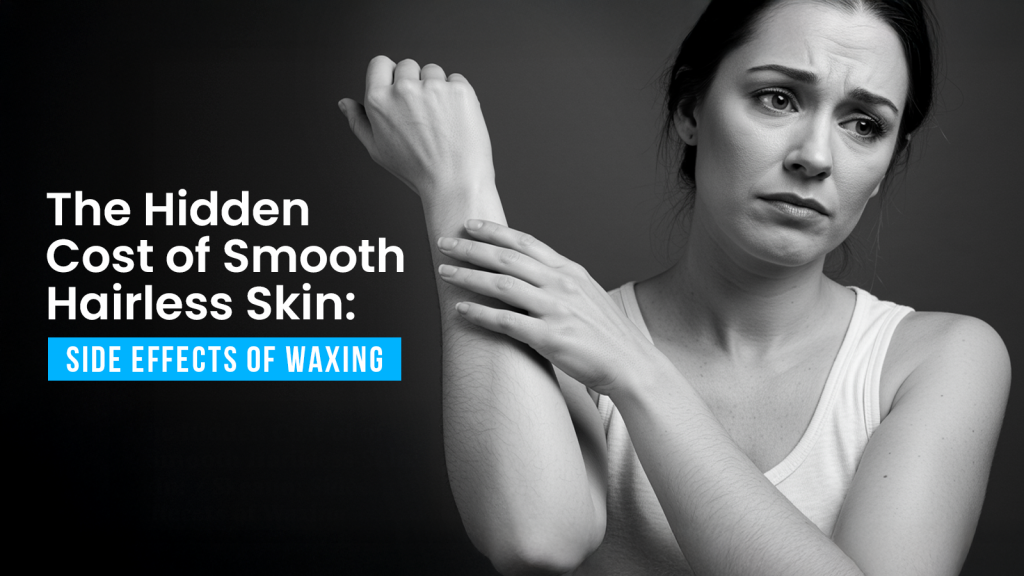
In the quest for silky-smooth, hair-free skin, waxing has emerged as a go-to option for many. Its promise of long-lasting results compared to shaving makes it an easy option. According to Magna intelligence, it is assumed that the hair reduction market is going to reach USD $1,081.2 million by the end of 2029. But is it really that harmless and effective as a method for removing unwanted hair? Are there no underlying side effects of waxing that need our attention?
This comprehensive guide will show you the side effects of waxing, and explore alternatives like laser hair removal.
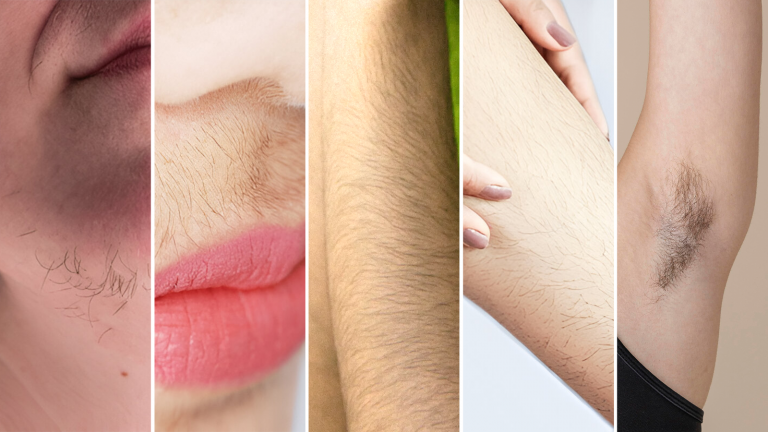
Before we get into the problem, we need to get to know the root cause of the problem, unwanted hair. Unwanted hair means the growth of hair in areas which are deemed as undesirable or unaesthetic. Common regions include upper lip, chin, arms, underarms, legs, and bikini line. Causes of unwanted hair growth include:
Hair growth patterns can run in families and vary significantly by ethnicity.
Certain drugs like steroids or hormone treatments can increase hair growth.
Thyroid or adrenal gland imbalances may influence hair growth distribution.
While some people embrace their body hair (as they absolutely should!), others seek removal for comfort, hygiene, or appearance—especially in societies where hairlessness is associated with beauty or professionalism. This is where waxing, shaving, laser, and other hair removal methods come into play.
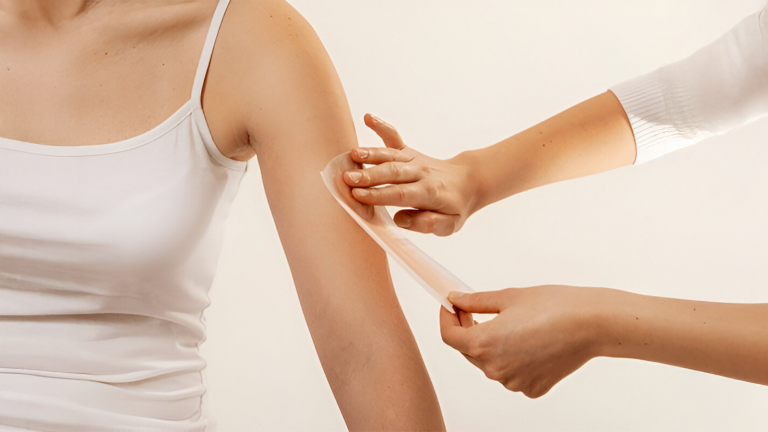
Waxing is a widely used method of hair removal that works by physically pulling hair out from the root—resulting in smoother skin that lasts significantly longer than shaving. From legs to lips, arms to underarms, and even bikini zones, waxing has become a staple in both at-home and salon-based hair removal routines. But it’s especially popular for face hair removal facial treatments, thanks to its precision and relatively quick results.
Whether you’re at a spa or doing it by yourself at home, the step by step waxing process follows a structured routine designed to minimize discomfort and maximize results. Here’s how it typically unfolds:
The first step in the waxing process is to ensure the skin is clean, dry, and exfoliated. Removing dead skin cells helps the wax grip hair more effectively and reduces the risk of ingrown hairs.
Wax selection plays a crucial role in the outcome. For example:
Wax is applied in the direction of hair growth using a spatula or applicator. In facial waxing, extra care is taken to avoid delicate areas such as around the mouth.
The wax is then pulled off in the opposite direction of hair growth, pulling hair from the follicle. This results in a smooth finish that can last anywhere from 3 to 6 weeks, depending on your hair growth cycle.
Waxing is especially good for targeted hair removal, offering a quick solution.
Waxing presents several advantages.
Despite these benefits, it is crucial to consider the potential side effects associated with waxing.
While waxing is celebrated for its efficacy and so-called long-lasting results, it’s very important to understand that it comes with its own set of side effects, especially for sensitive skin types or first-time users. The process of pulling hair from the root can trigger a variety of skin responses. Understanding the side effects is essential for setting realistic expectations and ensuring proper post-care.

The most common reaction post-waxing is mild redness or inflammation, particularly in sensitive areas like the face, underarms, or bikini area. This occurs due to increased blood flow to the areas as hair is forcibly removed from the follicles.
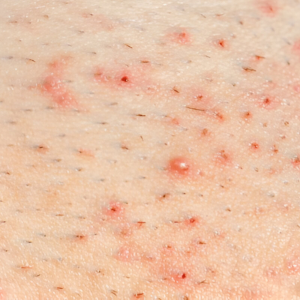
Small, pimple-like bumps may develop a few hours after waxing. These are usually caused by minor follicle inflammation or trapped hairs. Ingrown hairs are more common with coarse or curly hair types and often appear within a few days of waxing.
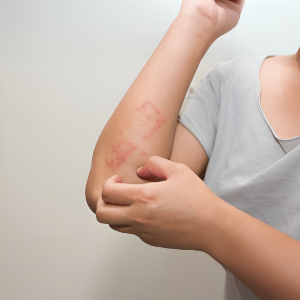
Some individuals may experience allergic reactions to ingredients in the wax, especially in the wax, especially if it contains fragrances, resins, or essential oils. This can lead to a skin rash after waxing, a more pronounced, itchy, or blotchy reaction that requires prompt attention.
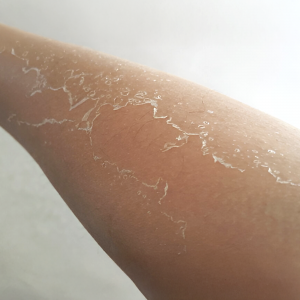
Improper waxing temperature or poor technique can result in mild burns, particularly with hot wax. The risk is heightened during facial waxing, where the skin is thinner and more delicate.
Proper aftercare, including soothing lotions and avoiding sun exposure, can reduce these effects.
Although rare, it is important to know that there can be long-term side effects of waxing. It can occur if proper after-wax care is neglected or the wrong type of wax is used for your skin.
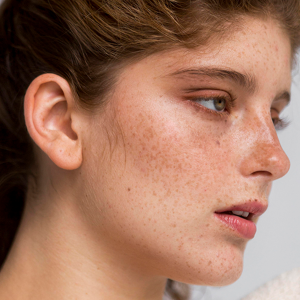
One of the more subtle yet persistent side effects is post-inflammatory hyperpigmentation (PIH). This condition causes darker patches of skin, especially upper lip, underarms, or bikini line. It’s more common among individuals with medium to deep skin tones.
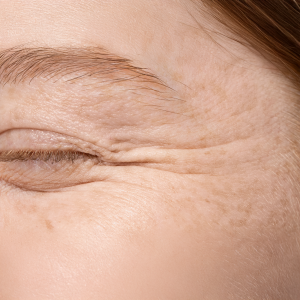
Regular waxing can weaken the outer skin barrier, especially with frequent facial hair removal. Over time, this may lead to increased skin sensitivity, dryness, and a heightened risk of irritation from skincare products or environmental factors. Face wax side effects like dryness or flakiness often become more noticeable with ageing skin or if exfoliation is overdone.
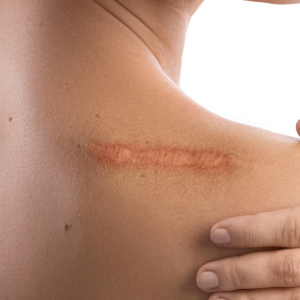
While rare, improper technique, especially in unsanitary environments, can cause micro tears in the skin, leading to scarring or bacterial infections. This is more likely when waxing over active acne, sunburned skin, or broken dermal tissue. Facial waxing in particular requires caution to avoid long-term texture changes.
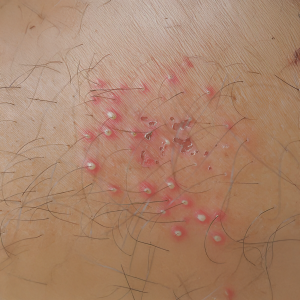
Repeated trauma to hair follicles can cause folliculitis, an inflammation or infection of the follicle. It appears as a pus-filled bump and may need topical treatments to resolve.
Individuals with sensitive skin or underlying conditions should consult a dermatologist before waxing.
Several factors can affect the likelihood and severity of side effects of waxing. They include:
Skin Type– Sensitive skin is more prone to irritation.
Hair Texture– Coarse hair may be more painful to remove.
Wax Quality– Low-quality wax can increase the risk of adverse reactions.
Technique- Improper application or removal can damage the skin.
Aftercare- Neglecting post-wax care can exacerbate side effects.
Choosing the right wax and following proper techniques are essential for minimising risks.
Waxing may be a popular choice for unwanted hair removal and full body smoothness, but it’s not without its drawbacks, especially if you are prone to side effects of waxing like rashes, or if you’re just tired of the tug-and-pull. Fortunately, the world of hair removal offers a variety of alternatives that cater to different skin types, pain thresholds, and long-term goals.
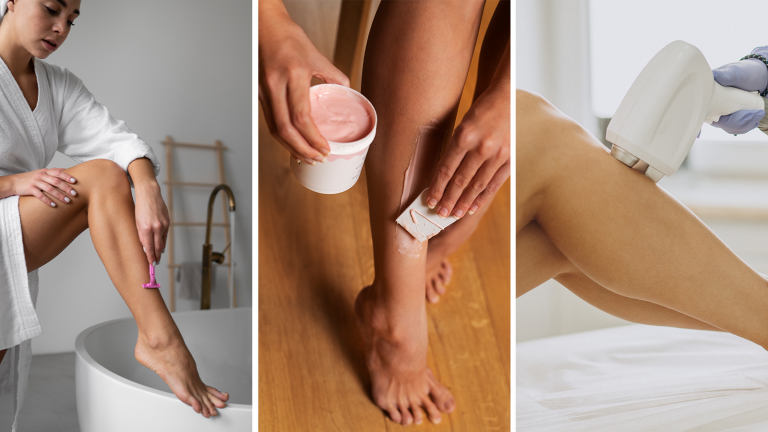
The most accessible method, shaving cuts hair at the surface level. It’s painless and quick but requires frequent upkeep; typically every 5 to 7 days. It also carries the risk of nicks, razor burns, and ingrown hairs.
These chemical creams dissolve hair at the skin’s surface. While convenient, they can cause irritation or allergic reactions, particularly on the face or bikini line.
The most sophisticated alternative is laser hair reduction, a long-term solution that targets hair follicles with concentrated light, reducing the scope of hair regrowth over time. According to a study, over 1.1 million laser procedures were performed in the U.S. alone in 2022. This shows the rising popularity of laser hair reduction.
Laser hair reduction is especially beneficial for those experiencing frequent side effects of waxing, like irritation or recurrent ingrown hairs. It also eliminates the hassle of step-by-step waxing and reduces the risk of skin rash post-waxing in the long run.
Wizderm Skin and Hair Clinic offers advanced laser hair reduction customised to individual skin tones and hair types, ensuring optimal safety and effectiveness. With fewer side effects, it’s an investment for smoother, healthier skin.
The minor side effects are common and can be managed easily at home; there are certain symptoms that require professional attention. Those can be:
Consulting a dermatologist ensures proper diagnosis and treatment.
Waxing offers a convenient solution for hair removal, delivering smoother skin and long-term results. However, it’s not without potential side effects, ranging from mild irritation to more severe complications. Understanding these risks and taking preventive measures like proper technique, quality products, and appropriate aftercare can enhance the waxing experience. For those seeking alternatives, options like laser hair reduction provide excellent results, albeit with their considerations. Ultimately, informed choices and professional guidance are the key to achieving desired results while maintaining skin health.
Waxing cannot directly cause permanent skin damage, but if the aftercare is neglected, it can cause irritation and redness, or worse, hyperpigmentation. These side effects of waxing can be taken care of easily if post-waxing care is done properly.
To prevent ingrown hairs after waxing, exfoliate the skin gently 2–3 times a week using a scrub or chemical exfoliant like salicylic acid. Keep the area moisturised with a non-comedogenic lotion to maintain skin softness. Avoid tight clothing that can cause friction. Refrain from touching or scratching the waxed area. Apply a soothing antiseptic or aloe vera gel to reduce inflammation. Regular care and hygiene help keep pores clear and prevent hair from curling back into the skin.
Allergic reactions to waxing can show up in redness, inflammation, itchiness, and burning sensations, and the development of bumps or hives. In severe cases, the skin may also peel.
One of the less common side effects of waxing is hyperpigmentation or skin discolouration. It’s often avoidable with proper technique and product selection.
Yes, laser hair reduction is better than waxing. It is better due to the longer-lasting results, reduced maintenance, and improved skin health
Yes, laser hair reduction is way more cost-effective in the long run. Initially, it may seem higher than usual, but laser hair reduction needs way less maintenance, which means less money spent. That means while you spend Rs3000, on average, a month on waxing for the next 30 years, for laser hair reduction, you spend Rs 5000 a month for 6 sessions and not worry about it for the longest time.
In this Article
What are Professional Skin Lightening Treatments?
5 Benefits of Professional Skin Lightening Treatments?
3 Effective and Safe Skin Lightening Treatments?
5 Common Myths and Facts About Professional Skin Lightening Solutions?
6 Common Home Remedies for Skin Fairness?
Benefits of Skin Lightening Treatments at Home?
Facts about Body and Skin Lightening Treatment at Home
Professional Skin Lightening Treatments Vs. Home Remedies: Which is Better?
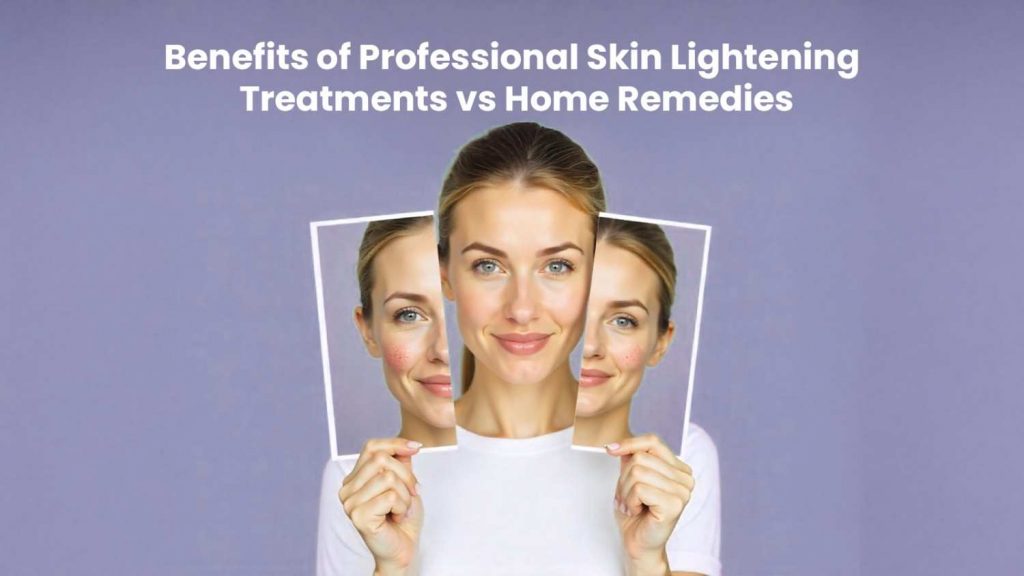
A Skin lightening treatment is often confused with delivering skin fairness. However, the primary goal of professional services or home remedies is to achieve radiant skin by reducing hyperpigmentation and fading the appearance of dark spots and uneven skin tone.
Every individual’s natural skin tone is beautiful, and changing it only reflects the amount of exploitation beauty standards have on our thought process. Now, to navigate more easily through the battle between home remedies and professional treatments, this blog is here to help. Read further to know more.
Professional-grade skin lightening treatments involve a range of dermatological practices that can control excess melanin production in the skin cells, leading to a more radiant, brighter and even-toned appearance. Such practices help address skin concerns like signs of ageing, sun damage-induced dark spots, post-acne marks and hyperpigmentation, helping restore the skin’s natural radiance.
Skin lightening and whitening treatments help you achieve more than just a radiant and clearer complexion; they also boost your confidence. Know more about professional skin lightening benefits through the following points:
While there is a range of skin lightening treatments available across the cosmetology and esthetician world, some of the most popular and safe treatment options are marked below:
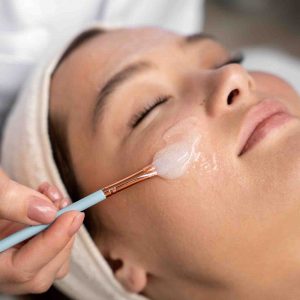
A chemical solution of salicylic acid or glycolic acid exfoliates the epidermis, the outer layer of the skin, revealing a more radiant and smoother complexion. These chemical peeling solutions work exceptionally well for skin concerns like melasma, post-acne hyperpigmentation and superficial acne scars.

Skin lightening ingredients in OTC (Over the Counter) creams and serums, like azelaic acid, kojic acid, hydroquinone, or vitamin C, can help even skin tone and minimise the appearance of hyperpigmentation. While these are readily available at drugstores, they must be used under a doctor’s supervision to avoid possible side effects. One should apply it directly to the affected areas across the face and body.
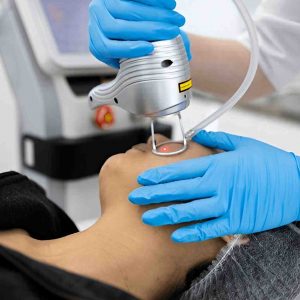
Professional laser therapies at renowned clinics use advanced lasers like the Q-switched laser, which precisely and effectively target and disintegrate melanin deposits in the skin, thereby fading dark spots, the appearance of melasma, and other hyperpigmentation issues.
While the skin lightening and brightening treatments help in restoring the skin’s lost radiance, some myths may discourage you from achieving clear, bright skin. Read to know more:
Fact: Similar to other skincare products in your daily routine, skin brightening topical solutions take time to show results. No such topical creams or serums can work overnight. Consistently using the prescribed solutions in the recommended amount and application method will start showing results in a few weeks or months.
Fact: Skin lightening treatments are not limited to any specific skin tone. Even light-toned people can get dark spots and hyperpigmentation because of factors like sun damage and acne marks. Hence, these professional procedures help people of all skin tones to minimise the appearance of dark patches and sun damage spots.
Fact: Common chemicals used for skin brightening include kojic acid, azelaic acid, and hydroquinone, which well-established dermatological clinics use in safe concentrations. However, overuse of these chemicals can cause skin sensitivity and irritation; hence, seeking professional service is significant.
Fact: There’s no such thing as ‘permanent skin lightening treatment’ as the results obtained from these procedures can last only a few months or years, depending on the treatment type and the patient’s skin type. Maintenance is essential to retain the outcomes.
Fact: No, firstly, any individual can benefit from skin whitening treatments irrespective of their gender. Secondly, the cost of such procedures is based on the intensity of the individual’s skin condition, the professional service provider, the type of treatment, and the location. Topical solutions are often relatively less expensive than laser therapies.

Home remedies for skin lightening comprise a few common kitchen ingredients like gram flour, turmeric, lemon, yoghurt, rice water and papaya. Here are 6 of the relevant skin whitening remedies at home that one seeking a ‘natural fix’ can check:
Home remedies for skin whitening are popular in Asian households for the following benefits:
Most of the ingredients found in home remedies are found in every Indian kitchen or local grocery stores. Natural ingredients are budget-friendly, making them a viable option for many.
Natural home remedies are gentler on the skin as they are free from any harsh chemicals. This builds trust among many individuals by familiarising them with skincare regimes.
Unlike commercial skin lightening services, home remedies do not require monthly or yearly maintenance. Using them for a certain period in the correct method can reveal sustainable results.
‘Natural ways are always safe,’ but is it? Take a look at these facts about body and skin lightening treatment at home that clinical experts highlight:
Explanation: While ingredients like yoghurt, turmeric and lemon may be budget-friendly options and offer temporary radiant-like results, they don’t penetrate deep into the skin to reverse melanin-induced hyperpigmentation.
Explanation: Professional skin lightening therapies use scientifically tested and clinically proven ingredients (in safer concentrations) and technology that provides sustainable and reliable results by targeting pigmentation at the root.
Explanation: Ingredients like lemon juice or baking soda can irritate the skin, strip the natural oils, disrupt the skin barrier, and even cause burns, hence worsening pigmentation in the applied areas. Falling for home remedy propaganda can prove harmful for sensitive skin.
If you are experiencing the side effects of home remedies and seeking professional guidance for spotless and radiant skin, booking an appointment at Wizderm will be a smart, trusted step. At Wizderm, experienced dermatologists offer personalised skin lightening treatments tailored to your unique skin type, concerns, and budget.
Instead of superficial fixes, you will receive a detailed skin analysis and a customised treatment plan designed to deliver safer, longer-lasting results. Check this out to learn more about our professional skin lightening procedures.
While home remedies may seem affordable and harmless, they can be quite ineffective when it comes to outcomes and may even heighten irritation and allergies for sensitive skin. Professional skin lightening services at Wizderm are science-backed, dermatologist-led, and customised to your unique skin needs.
Take a step towards a clearer, brighter complexion and sustainable skin health without the guesswork. Book an appointment online today to connect with top experts across India!
Yes, skin lightening treatments are safe for all skin types, including sensitive skin, if availed from a trusted and well-established, dermatologist-led clinic like Wizderm.
Noticeable results depend mainly on the type of professional treatment availed for skin lightening. For treatments like a hydra facial or mild chemical peels, one can see visible differences in their skin tone instantly. However, topical or oral treatments, or laser therapies have a greater downtime (cooling period), and can show positive changes eventually.
No, there are no side effects of laser skin lightening procedures at Wizderm. Also, how one’s skin reacts to different types of procedures depends on their skin type and the type of treatment. Having said this, one may feel a slight tingling or burning sensation if their skin comes in contact with strong acids or laser light. Importantly, these skin reactions are temporary; however, one should use a cold compress if the redness and inflammation are concerning.
Skin lightening treatment cost in India ranges between Rs. 1,800 to Rs. 5,500 for chemical peels, while for laser treatments, it costs somewhere between Rs. 6,000 to Rs. 40,000. At Wizderm, the cost for chemical peels starts from Rs. 3,000 and ends at up to Rs. 50,000 for cosmelan treatments.
Yes, at Wizderm, clinical experts recommend a combination of skin lightening treatments with other dermatological procedures for better results. For example, a doctor may suggest topical creams with chemical peels for someone battling with hyperpigmentation for issues like inflammation, hormonal changes and sun damage.
Clinical treatments for skin lightening are gender neutral, enabling even men to target the root cause of hyperpigmentation and uneven skin tone, to reveal a brighter and healthier complexion.
In this Article

Causes of hair loss can be distressing, especially since long, luscious hair is often seen as a beauty ideal. However, when you begin to fall short of that standard, understanding the root causes is the first step to taking control.
Consequently, your confidence and self-esteem may take a hit. But don’t worry—hair loss is common and occurs daily. Still, it’s important not to confuse it with hair fall. Although these terms are used interchangeably, they are not the same.
To clarify, hair loss refers to the natural shedding of 50–100 hairs per day, making room for new growth. In contrast, hair loss is a more serious condition in which the hair may not grow back, often leading to bald patches or thinning. Medically, this is known as alopecia and can be either temporary or permanent.
Therefore, in this article, we’ll explain the top 10 causes of hair loss and offer simple, effective tips to help you prevent it.

Reviewed by Dr. Harsha Sarawgi
MBBS, MD in Dermatology, Venerelogy & Leprosy
Updated on: May 17, 2025
Hair loss, or alopecia, is a gender neutral condition where you shed more hair than you can regrow. This is because of the disruption in the hair production cycle. Although hair loss can affect your entire body, you can find it mostly starting from the scalp.
There are various types of hair loss. The popular ones include:
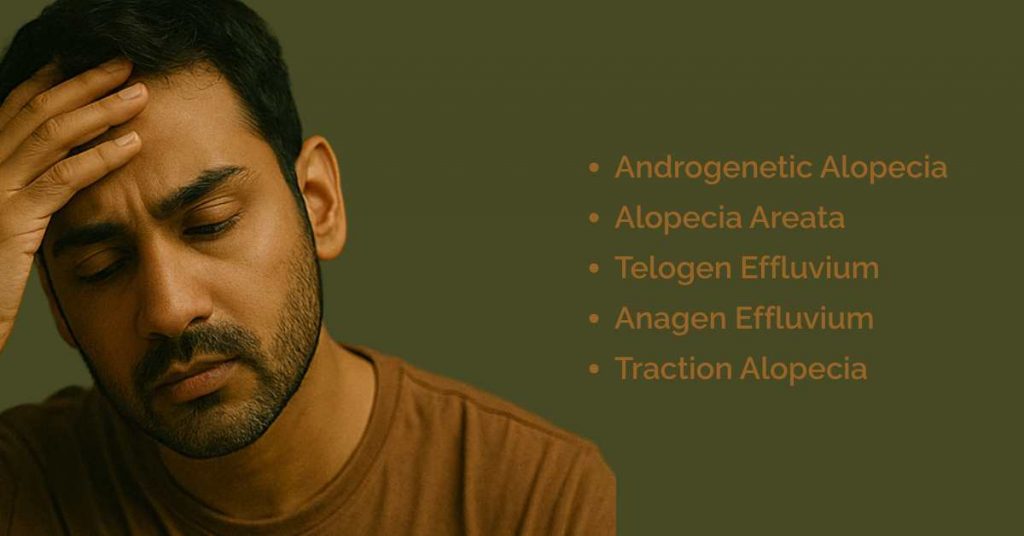
Male or female pattern baldness, medically known as androgenic alopecia, is the most common type of hair loss. This condition is largely hereditary, meaning it is passed down through generations. However, it affects men and women differently.
For instance, if you’re a man, hair loss typically begins at the temples and crown of the head. On the other hand, if you’re a woman, you’ll likely experience diffuse thinning across the entire scalp rather than distinct bald spots.
Although androgenic alopecia is more common with age, it can start any time after puberty. Moreover, hormonal changes also play a key role. As a result, women may notice increased thinning during or after menopause.
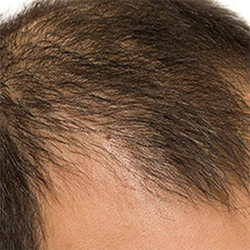
Alopecia areata is an autoimmune disease and one of the more severe causes of hair loss. In this condition, your immune system mistakenly attacks healthy hair follicles, leading to sudden hair loss. As a result, you may notice small, round bald patches on your scalp—or in some cases, on your eyebrows.
Although the exact cause isn’t fully understood, early diagnosis is crucial. Therefore, it’s important to consult a dermatologist to explore effective treatment options and manage the condition promptly.
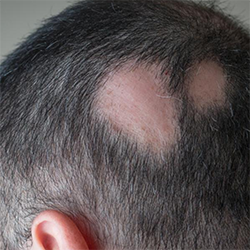
Telogen effluvium is a type of hair loss where a larger-than-normal number of hair follicles enter the resting phase (telogen). In this condition, the loss of hair is temporary. This condition is mostly linked to your emotional and physical well being, as it occurs after a few stressful months or hormonal fluctuations. Unlike other types of hair loss, Telogen effluvium typically doesn’t lead to complete baldness and is easily treatable.
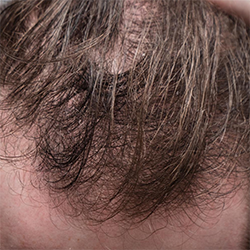
Anagen effluvium is a rapid and severe form of hair loss that occurs during the growth phase (anagen) of the hair cycle. Unlike telogen effluvium, which causes shedding during the resting phase, anagen effluvium leads to hair loss while the hair is actively growing, thereby disrupting the normal growth cycle.
This condition is primarily triggered by external factors such as:
-Chemotherapy or Radiation
–Certain Drugs or Harmful Chemicals
–Severe Infections
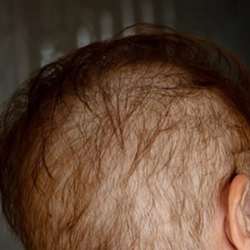
Traction alopecia is a condition where hair loss occurs due to intense hair pulling leading it to break away. This kind of hair loss occurs due to pulling of hair by tying it up in tight buns, ponytails or hair styles like cornrows or braids.
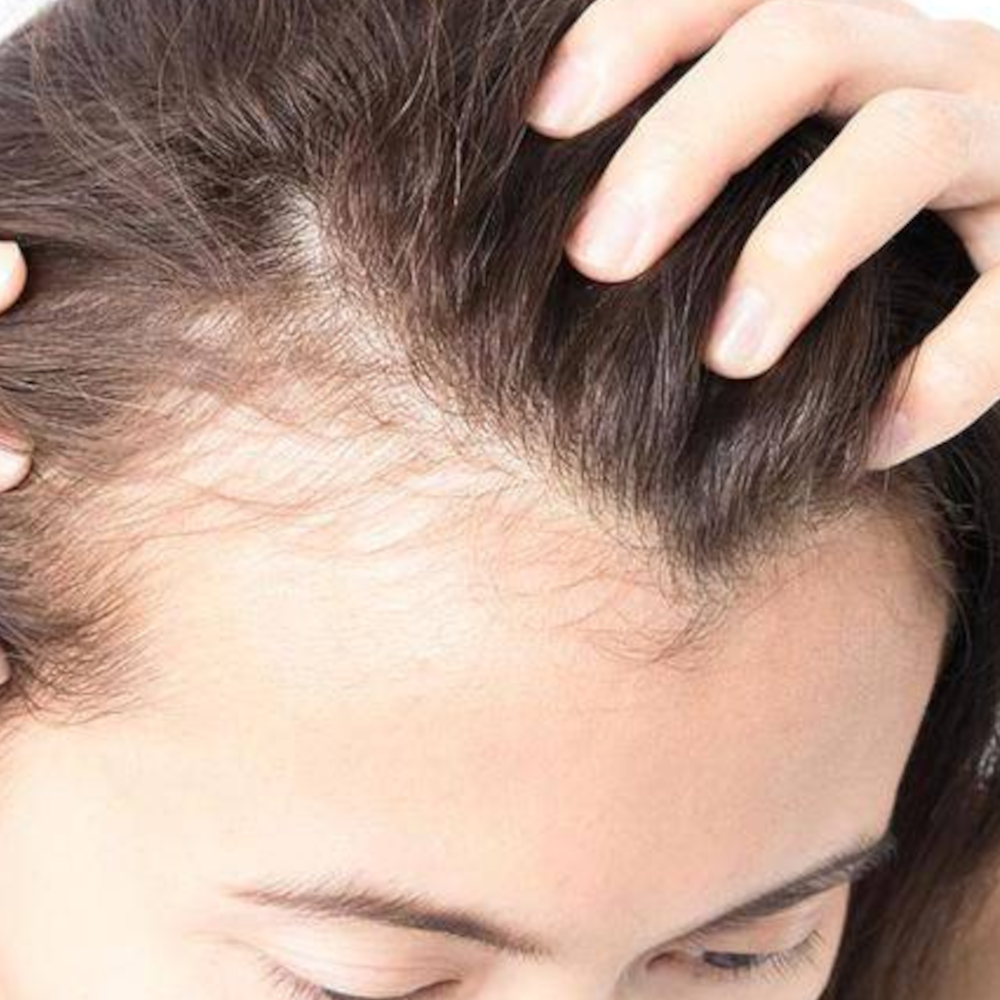
Hair loss is more common than you think. Baldness affects almost 85% of males and 20%-30% in case of females in India itself. Almost 2% of the world population is affected by alopecia areata.

The causes of hair loss are not totally identified yet, but some of the main causes of hair loss include:
Genetics are one of the most important causes of hair loss. Androgenic alopecia or male or female pattern baldness is mainly driven due to genetic predisposition and sensitivity to DHT or dihydrotestosterone (a hormone which stimulates hair growth).
Conditions like polycystic ovary syndrome, pregnancy, menopause, or thyroid disorders (hyperthyroidism or hypothyroidism) can disrupt the hair growth cycle. This can lead to hair thinning or shedding. Post-partum hair loss is a common example where hormonal fluctuations after childbirth cause noticeable hair fall.
Physical stress and emotional distress can push a large number of hair follicles into resting (telogen) phase prematurely.
Ageing slows the process of hair growth. At a certain point, the hair follicles stop growing, leading to hair thinning or receding hair line.
Poor diet and lack of proper nutrients leads to hair loss. Nutrients like zinc, vitamin D, biotin, and protein are the key components of hair growth. Without these nutrients, the hair becomes brittle and breaks off easily.
Auto-immune disorders like alopecia areata, where the hair follicles are mistakenly attacked by your immune system. This leads to patchy baldness in our hair.
Treatments like chemotherapy or radiation can damage your hair rapidly by dividing cells. This causes sudden, widespread hair loss. Medications like antidepressants, blood thinners and beta blockers result in diffuse thinning.
Inflammatory scalp conditions like psoriasis, seborrheic dermatitis and fungal infections like ringworm can severely damage the scalp’s environment. This leads to disrupted hair growth, weakened hair growth, or patches of hair loss.
Tight hairstyles like braids and ponytails pull out the hair from its roots. If this is continued there is irreversible damage to the scalp. Same goes for colouring hair or bleaching it.
Pollution, humidity, sun exposure impacts scalp health, production of natural oil production of our hair, and disrupts hair growth. All of these factors result in slow or no regeneration of hair, causing hair loss.
Symptoms of hair loss are easily identified. The most common ones are right in front of your eyes. Those include:
You cannot completely stop the process of hair loss but you can definitely slow it down. Here are some easy ways you can prevent hair loss:
If you start noticing persistent hair loss or patchy baldness, it’s crucial to consult a dermatologist without delay. Such conditions require expert evaluation and personalized treatment. Fortunately, one of the best clinics in town you can trust is Wizderm Skin and Hair Clinic.
At Wizderm, advanced hair treatments are not only effective but also convenient and painless. So, as soon as you observe the symptoms of hair loss, simply book a consultation — and take the first step towards healthier hair!
Yes, absolutely! It is very important to destress yourself every day to help reduce hair loss. You can try various destressing methods, such as aromatherapy, meditation, and more, to calm both your mind and body.
The best way to determine if your hair loss is hereditary is to look for signs of similar hair loss in the older generations of your family.
Most of the time, over-the-counter products are highly effective for managing hair loss. However, in severe conditions like alopecia areata, professional dermatological intervention becomes necessary.
You don’t necessarily need to make drastic changes to your diet—unless you frequently consume junk food. Instead, focus on maintaining a healthy and clean diet to support your hair health.
In this Article
Hair Loss in Men and Women: The Basics?
Hair Loss in Men: The Usual Suspects
Causes of Male Pattern Baldness
Treatment Options for Male Hair Loss
Hair Loss in Women: A Different Beast
Causes of Female Pattern Hair Loss
Treatment for Female Hair Loss
Common Ground for Both the genders
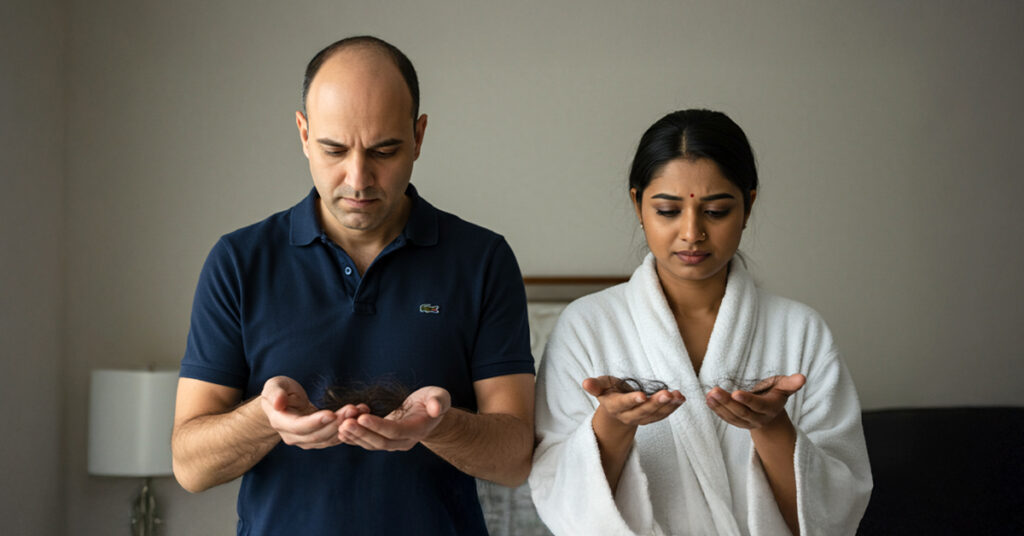
Let’s face it: Hair loss is a universal concern.
Whether you’re a man noticing a receding hairline or a woman spotting thinning locks, the emotional toll can be significant.
But here’s the kicker—male and female hair loss aren’t the same. The patterns, causes, and treatments vary widely. That’s why understanding these key differences can make all the difference in finding a solution that truly works for you.
So, are you ready to unravel this hairy mystery?
Reviewed by Dr. Harsha Sarawgi
MBBS, MD in Dermatology, Venerelogy & Leprosy
Updated on: March 10, 2025
Before we dive into the nitty-gritty, let’s lay some groundwork. Hair loss—scientifically known as Alopecia—affects millions of people worldwide. In most cases, the usual suspect for men is male pattern baldness, formally known as Androgenetic Alopecia. Women, on the other hand, often face a broader range of triggers, including hormonal imbalances, chronic stress, or even hairstyles that put excessive tension on their strands.
While men typically notice a receding hairline or thinning at the crown, women usually experience diffuse thinning across the entire scalp. Think of it this way: for men, it’s like an entire drawer of socks vanishing overnight. For women, it’s one sock here, another there—until the whole collection feels suspiciously light.
The infamous male pattern baldness—officially known as androgenetic alopecia—is the most common type, affecting up to 70% of men at some point in their lives.
Typically, the hallmark sign is a receding hairline that slowly morphs into a horseshoe-shaped pattern of hair around the crown.
While classic, this pattern is definitely not what anyone hopes for.

Blame it on your genes and hormones.
In most cases, male pattern baldness is primarily caused by a sensitivity to dihydrotestosterone (DHT), a derivative of testosterone.
So, How Does This Work?
DHT gradually shrinks hair follicles, making it harder for new hair to grow. As a result, hair strands become thinner and shorter over time. Eventually, the follicles stop producing hair altogether. In other words, it’s a bad hair day that can last for years!
Of course, other factors like stress, poor nutrition, and certain medical conditions can worsen hair loss in men. However, DHT is usually the main culprit.
The good news?
Science has your back. Here are some effective treatments:
Minoxidil: A topical treatment that stimulates hair growth. Bonus: It’s available over the counter.
Finasteride: An oral medication that reduces DHT levels. A doctor’s prescription is required, though.
Follicular Unit Transplantation (FUT) or Follicular Unit Extraction (FUE) can restore your hairline,
though these are more invasive and pricey options.
Improving your Diet, Managing Stress, and Avoiding Harsh Hair Treatments can help slow down hair loss.

For women, hair loss is less about receding hairlines and more about overall thinning. In fact, female pattern hair loss—the female counterpart to androgenetic alopecia—affects about 40% of women by the age of 50. Unlike men, women rarely go completely bald. Nevertheless, that doesn’t make the experience any less distressing.
Hormones play a big role here, too. Estrogen helps keep hair in its growth phase, but when estrogen levels drop—like during menopause—female loss of hair often kicks in. Other culprits include:
Women have their own set of solutions to combat female pattern baldness:
Minoxidil: Yes, it works for women too! Look for a 2% or 5% formula.
Birth control pills or hormone replacement therapy can help balance hormones and reduce hair loss in some women.
Supplements like Biotin, Iron, and Zinc can support hair health.
Don’t forget a balanced diet rich in leafy greens, nuts, and lean proteins.
Devices like Laser Combs or Caps can stimulate hair follicles and promote growth.
In rare cases, women experience a male form of baldness (a receding hairline or crown thinning). Treatments like Finasteride are sometimes prescribed off-label for women but require careful medical supervision.

The Good News?
Conversations about hair loss are becoming less taboo. Nowadays, celebrities, influencers, and everyday people are sharing their stories—whether they’re rocking wigs or proudly showing off their bald heads. As a result, the more we normalize it, the less isolating it feels.
For example, Dwayne “The Rock” Johnson and Jada Pinkett Smith have openly embraced their journeys, proving that hair loss doesn’t diminish star power. Ultimately, it’s a reminder that confidence shines brighter than any hairstyle.
If you’ve tried over-the-counter treatments and lifestyle changes but your hair loss still persists, then it might be time to seek professional help. After all, hair loss can sometimes indicate underlying issues such as thyroid imbalances, autoimmune diseases, or nutrient deficiencies.
Therefore, consulting a dermatologist can help you pinpoint the root cause and develop a tailored treatment plan.
Looking for Expert Care?
Wizderm Skin and Hair Clinic, a leading dermatology clinic, specializes in treating hair loss in both men and women.
With advanced diagnostics and personalized care, they’ll help you regain not just your hair—but your confidence. So why wait? Book an appointment today.
Hair loss in men and women may differ in both cause and treatment, yet the emotional journey is something we can all empathize with. Whether you’re battling thinning strands or embracing a shiny dome, remember this: Hair doesn’t define you. What truly matters is how you carry yourself—with or without it.
So, here’s to keeping your head held high. And whether it’s covered in hair, a hat, or just a generous dose of sunscreen, may it always be fabulous.
For men, hair loss is most commonly caused by androgenetic alopecia, also known as male pattern baldness. This condition is linked to genetics and hormones like DHT (dihydrotestosterone). In contrast, for women, the causes are more varied, including hormonal changes—such as pregnancy and menopause—stress, nutritional deficiencies, and certain hairstyles that put stress on the scalp.
It’s normal to lose 50–100 hairs per day. However, if you notice sudden or excessive shedding, patchy bald spots, or a receding hairline, then it’s worth consulting a dermatologist to rule out any underlying conditions.
Yes, Minoxidil is a topical treatment approved for both men and women to stimulate hair growth. On the other hand, Finasteride is an oral medication effective for men, as it targets DHT. However, women should avoid Finasteride unless explicitly advised by a doctor.
While lifestyle changes may not completely stop hereditary hair loss, they can help slow its progression. For instance, eating a nutrient-rich diet, managing stress, avoiding excessive heat styling, and practicing proper scalp care can make a noticeable difference.
If over-the-counter (OTC) treatments don’t yield results, then it’s important to consult a dermatologist. They can diagnose the root cause of your hair loss and suggest advanced options such as prescription medications, low-level laser therapy, or even hair transplants.
Registered Office
Wizderm Speciality Skin & Hair Clinic 1/503, Gariahat Road, Jodhpur Park, Kolkata, West Bengal 700068
Mon - Sat: 10 AM - 8 PM


© 2026 Wizderm Speciality Skin & Hair Clinic. All rights reserved.
Crafted with by Auraveni Solutions.
Stay updated with expert tips, latest treatments, and exclusive offers. Subscribe to Wizderm's newsletter for healthy, glowing skin and hair!