





Understand Why Unwanted Hair Grows and Discover Safe, Effective Ways to Remove it
Excess or misplaced hair can affect confidence, comfort, and self-esteem. While hair growth is a natural part of the body, unwanted hair in certain areas can be frustrating. Thankfully, modern dermatology offers advanced solutions like laser hair removal, helping you achieve smooth, hair-free skin safely and effectively. This article explores the causes of unwanted hair and the best ways to manage it.
Patients Treated
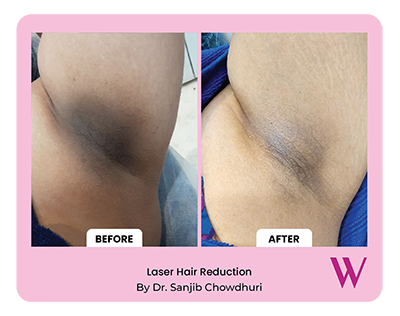
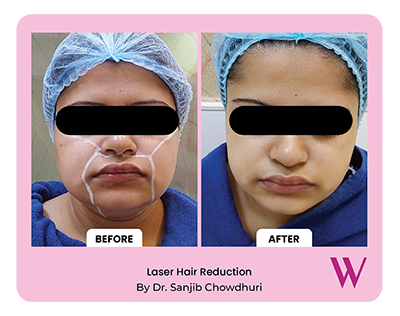
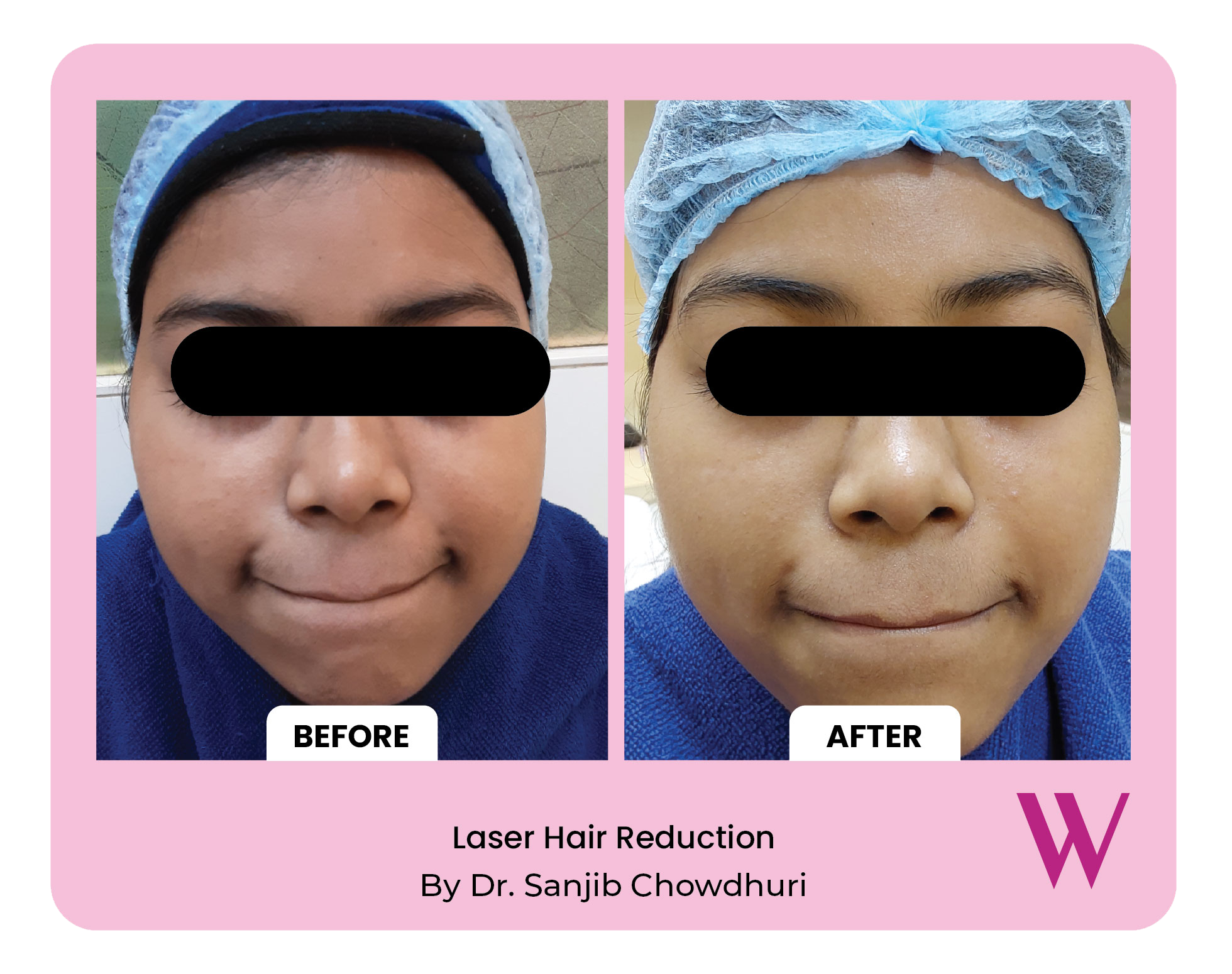
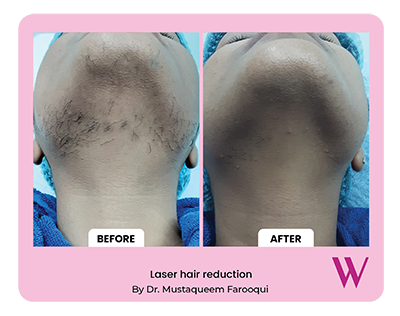
Explore our Before-and-After gallery showcasing real results from Wizderm’s laser hair removal treatments. Witness the transformation as unwanted hair is safely and effectively removed, leaving smooth, confident, and radiant skin!
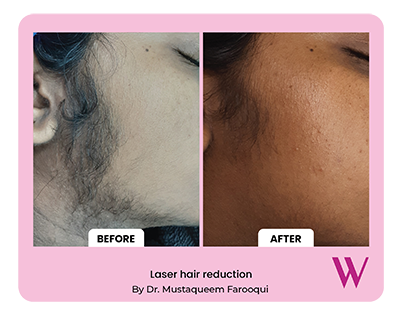
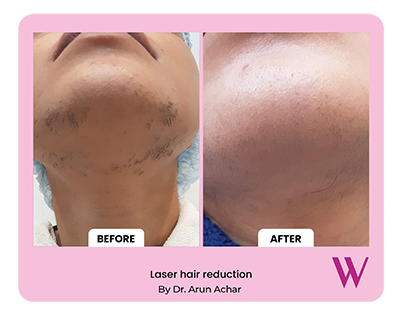
Unwanted hair refers to excessive or abnormal hair growth in areas where hair is usually sparse or absent, such as the face, back, chest, or shoulders. In some cases, this condition is called hypertrichosis, which causes dense, dark hair in unusual areas and is sometimes nicknamed “Werewolf Syndrome.” Unwanted hair can affect anyone, but it’s especially common in individuals with hormonal imbalances, genetic predispositions, or certain medical conditions.
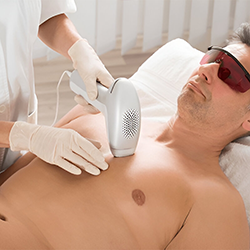
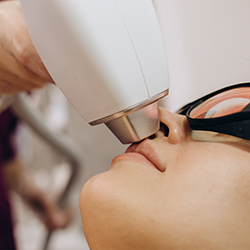
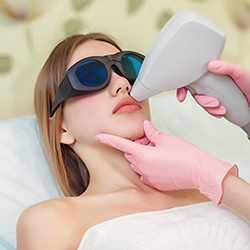

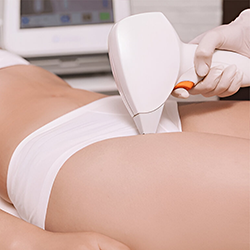


While harmless, unwanted hair can impact confidence and comfort—but effective solutions, like laser hair removal, are available to help you achieve smooth, hair-free skin.
Unwanted hair growth can stem from a variety of factors, ranging from genetics to hormonal changes and underlying health conditions. Understanding the root cause is key to choosing the most effective hair removal solution.

Some conditions, like hypertrichosis, are hereditary. Gene mutations can trigger excessive hair growth, occasionally resulting in “Werewolf Syndrome,” which affects both men and women.

Elevated androgen levels, such as those seen in polycystic ovary syndrome (PCOS), can lead to excessive hair growth on the face and body.

Certain medications or endocrine disorders may contribute to unwanted hair, making professional management essential for safe and effective removal.
While shaving, waxing, and threading provide short-term relief, persistent or excessive hair growth often requires medical evaluation. A dermatologist can identify the underlying cause — whether hormonal, genetic, or medical — and recommend a long-lasting unwanted hair removal treatment tailored specifically to your skin and hair type.
Consultation: A dermatologist examines your skin and hair growth pattern to understand the concern and determine possible causes.
Evaluation: Your medical history, medications, lifestyle habits, and hormonal profile are reviewed to identify contributing factors.
Treatment Plan: Based on the findings, a customised treatment approach is created to safely and effectively reduce unwanted hair growth.
Professional diagnosis ensures safer results, fewer side effects, and smoother skin with long-term hair reduction.

There isn’t a single “perfect” time to begin unwanted hair removal, but certain signs indicate it’s best to consult a dermatologist early. Timely treatment not only improves effectiveness but also prevents worsening hair growth caused by hormonal or medical factors.
If hair growth becomes thicker, darker, or spreads to new areas, professional evaluation is recommended.
If you suspect hormonal imbalance such as irregular periods or sudden facial hair growth, consult a dermatologist promptly.
If temporary methods like shaving or waxing cause ingrown hair, pigmentation, or irritation, medical treatment is advisable.
If you are planning laser hair reduction, starting before prolonged sun exposure improves safety and results.
Early intervention ensures safer treatments, better long-term reduction, and healthier skin.
Connect with our experts to understand the pricing and details of customised Laser Hair Reduction (LHR) packages designed specifically for your skin type and hair growth pattern.
Book Consultation
Achieving smooth, hair-free skin is no longer a dream thanks to advanced laser hair reduction treatments and dermatologist-guided care. By identifying the root cause of excessive hair growth and choosing the right permanent unwanted hair removal solution, you can enjoy long-lasting results, reduced ingrowth, and healthier skin. Don’t rely on temporary methods—opt for safe, effective, and clinically proven laser hair removal. Book your dermatologist consultation today and start your journey toward clear, confident, low-maintenance skin.
- Reviewed by

Dr. Supratim Karmakar Consultant Dermatologist & Hair Transplant Surgeon
Stay updated with expert tips, latest treatments, and exclusive offers. Subscribe to Wizderm's newsletter for healthy, glowing skin and hair!