





Understanding Open Pores and the Best Dermatological Treatments to Minimise Their Appearance
Open pores are a common skin concern that can affect overall skin texture and appearance. While pores are a natural and essential part of healthy skin, enlarged or visible open pores can make the skin look uneven, oily, and more prone to acne breakouts. Factors such as excess sebum production, sun damage, ageing, genetics, and clogged pores can make them appear larger and more noticeable. With advanced dermatological treatments for open pores, it is now possible to refine skin texture, reduce pore size, and achieve smoother, clearer-looking skin. In this blog, we explore what causes open pores and the most effective ways to treat them.
Patients Treated
Explore real patient transformations showcasing visible improvement in enlarged open pores, uneven skin texture, and oily skin concerns. Our advanced open pores treatments, including laser skin resurfacing, microneedling, carbon laser peel, and medical-grade skin rejuvenation procedures, are designed to refine pore size, boost collagen production, and enhance overall skin smoothness. See how dermatologist-led treatments at Wizderm Skin & Hair Clinic help achieve tighter, clearer, and more refined-looking skin with clinically proven results.
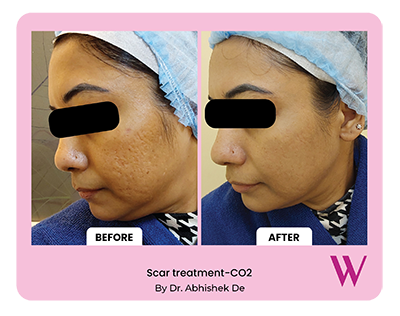
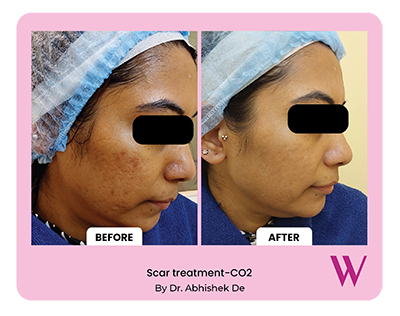
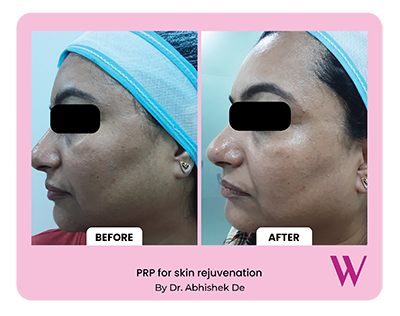
Open pores are visible openings on the skin’s surface that correspond to hair follicles and sebaceous (oil) glands. These pores play an essential role in maintaining skin hydration by releasing sebum, the natural oil that protects and moisturizes the skin. Open pores are most commonly noticeable on the nose, cheeks, forehead, and chin, especially in individuals with oily or combination skin. Enlarged open pores occur when excess oil production, sun damage, ageing, acne, or loss of collagen causes the pore walls to stretch or lose firmness. Although pores are a natural part of healthy skin, enlarged pores can make the skin appear uneven, textured, and more prone to blackheads and acne breakouts.
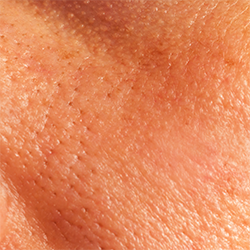
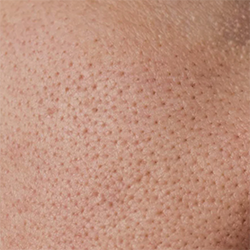
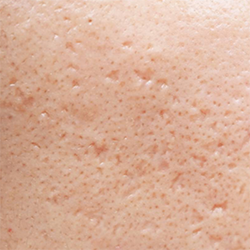
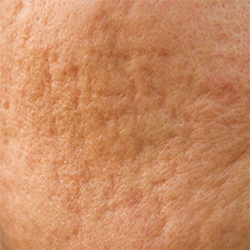
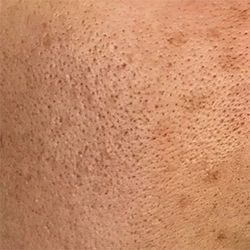
Understanding the type of open pores you have is the first step toward selecting the right open pores treatment. A professional skin analysis by a dermatologist can help determine whether your enlarged pores are caused by excess oil, acne scarring, or collagen loss — ensuring a targeted and effective treatment plan for smoother, refined-looking skin.
Open pores develop when the skin’s oil production, collagen structure, and natural renewal process are disrupted. While pores are a normal and essential part of healthy skin, certain internal and external factors can cause them to enlarge and become more visible. Understanding the causes of enlarged open pores helps in choosing the right dermatological treatment to refine skin texture and reduce pore size effectively.

When sebaceous glands produce excess oil, pores expand to release the sebum onto the skin’s surface. This is especially common in individuals with oily or acne-prone skin, making pores appear larger and more noticeable.
As we age, collagen and elastin production decline. This reduces skin firmness and elasticity, causing pore walls to loosen and appear enlarged.

Accumulation of dead skin cells can clog pores, stretching them over time. Blocked pores may also lead to blackheads and acne, further worsening pore visibility.

Prolonged sun exposure damages collagen and elastin fibers, weakening the skin’s structure. This loss of support makes open pores appear larger and more prominent.

Genetics play a significant role in determining pore size. If enlarged pores run in your family, you may be more likely to experience visible open pores despite proper skincare.
Open pores can make the skin appear uneven, oily, and textured, but the right dermatological approach can significantly reduce their visibility. Accurate diagnosis is essential to determine whether enlarged pores are caused by excess oil production, acne scarring, collagen loss, or sun damage. Most open pores treatments focus on stimulating collagen production, tightening the skin, and improving overall texture. A qualified dermatologist can recommend the most effective treatment based on your skin type and severity of concern.
Dermatologist Consultation: Your treatment journey begins with a detailed skin consultation. The dermatologist examines your pore size, skin texture, oil production levels, acne history, and signs of sun damage to identify the underlying cause of enlarged pores.
Clinical Evaluation & Skin Analysis: Your medical history, lifestyle habits, hormonal factors, and current skincare routine are reviewed. This helps determine whether your open pores are linked to oily skin, ageing, genetics, or previous acne.
Customized Treatment Plan: Based on the evaluation, a personalized open pores treatment plan is designed. This may include laser skin resurfacing, microneedling, carbon laser peel, chemical peels, RF skin tightening, or medical-grade skincare. These treatments stimulate collagen production, refine skin texture, and visibly reduce pore size.
Early professional treatment can significantly improve enlarged open pores and overall skin smoothness. If visible pores are affecting your confidence, consult our expert dermatologists for a customized open pores treatment plan and achieve clearer, tighter, and more refined-looking skin.
Open pores are common, but if they become more visible, worsen over time, or do not respond to skincare products, it may be time to consult a dermatologist. Persistent enlarged pores can be linked to excess oil production, collagen loss, acne scarring, or sun damage. Early dermatological intervention helps prevent further pore enlargement and reduces the risk of related concerns such as acne breakouts, blackheads, and post-inflammatory pigmentation.
Your open pores remain enlarged despite using pore-minimizing creams and serums.
Your skin texture feels consistently rough, uneven, or bumpy.
You experience frequent acne breakouts along with visible pores.
Over-the-counter treatments are not delivering noticeable improvement.
You want long-term solutions such as MNRF (Microneedling Radiofrequency), dermarolling, laser treatment, or skin tightening procedures to reduce pore size effectively.
Professional treatments for open pores, including collagen-stimulating procedures and advanced laser therapies, can significantly improve skin texture and minimize pore visibility. If enlarged pores are affecting your confidence, schedule a consultation with a dermatologist to receive a personalized treatment plan for smoother, clearer skin.
Connect with our experienced dermatologists to learn more about advanced open pores treatments designed to reduce enlarged pores and improve skin texture. Get a detailed skin assessment and discover the exact cost of personalized open pores treatment packages tailored to your skin type, concerns, and long-term skincare goals.
Book Your Open Pores Consultation Today
Open pores are a common skin concern, but with the right dermatologist-recommended open pores treatment, they can be effectively managed. Factors like excess oil production, ageing, sun damage, and genetics may make pores appear larger, but advanced solutions such as MNRF, laser skin resurfacing, chemical peels, and collagen-stimulating treatments can significantly refine skin texture and reduce pore visibility. Early diagnosis and a customised treatment plan are key to achieving long-lasting results. If enlarged pores, uneven skin texture, or recurring acne are affecting your confidence, professional care can help restore smoother, clearer, and healthier-looking skin. Take the first step toward refined, radiant skin — book your open pores consultation today and discover the best treatment for your skin type.
- Reviewed by

Dr. Mustaqeem Farooqui Consultant Dermatologist
Stay updated with expert tips, latest treatments, and exclusive offers. Subscribe to Wizderm's newsletter for healthy, glowing skin and hair!