





Understanding Why Hair Loss Happens and How Modern Dermatology Can Help Restore Growth
Hair plays a significant role in our appearance and confidence, which is why noticing thinning or excessive hair fall can feel overwhelming. Hair loss is a common condition that affects both men and women and can occur due to factors such as genetics, hormonal changes, stress, nutritional deficiencies, or underlying medical conditions. The good news is that with advancements in dermatology, hair loss can now be accurately diagnosed and effectively managed. From medical therapies and topical solutions to advanced treatments like PRP and hair restoration procedures, personalised treatment plans can help reduce hair fall, stimulate regrowth, and improve overall scalp health.
Patients Treated
Browse our Before-and-After gallery to see genuine results from Wizderm’s advanced hair loss treatments. Witness how we help restore hair, confidence, and a natural, healthy look with visible, lasting outcomes.
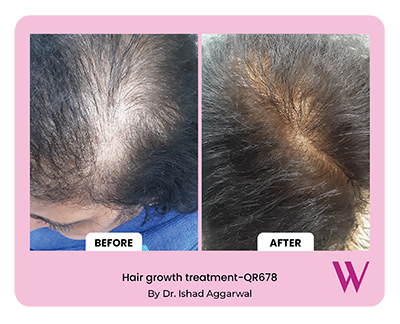
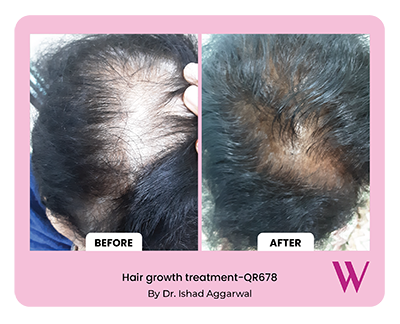
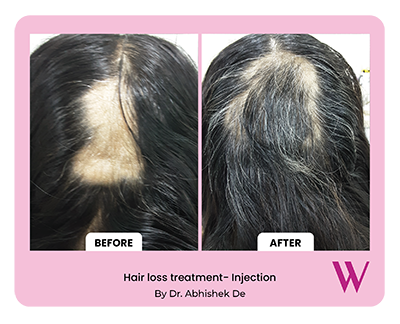
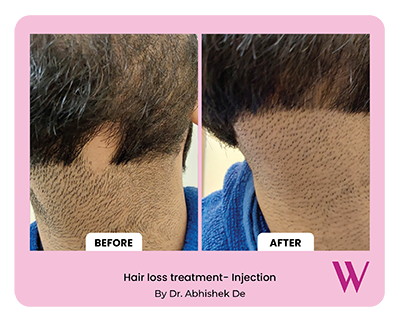
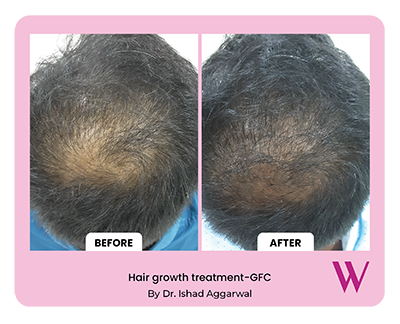
Hair loss refers to the gradual or sudden reduction in hair density, which may present as thinning strands, bald patches, or a receding hairline. While it is normal to shed 50–100 hairs daily, excessive hair fall or noticeable thinning can indicate an underlying issue that may require attention.
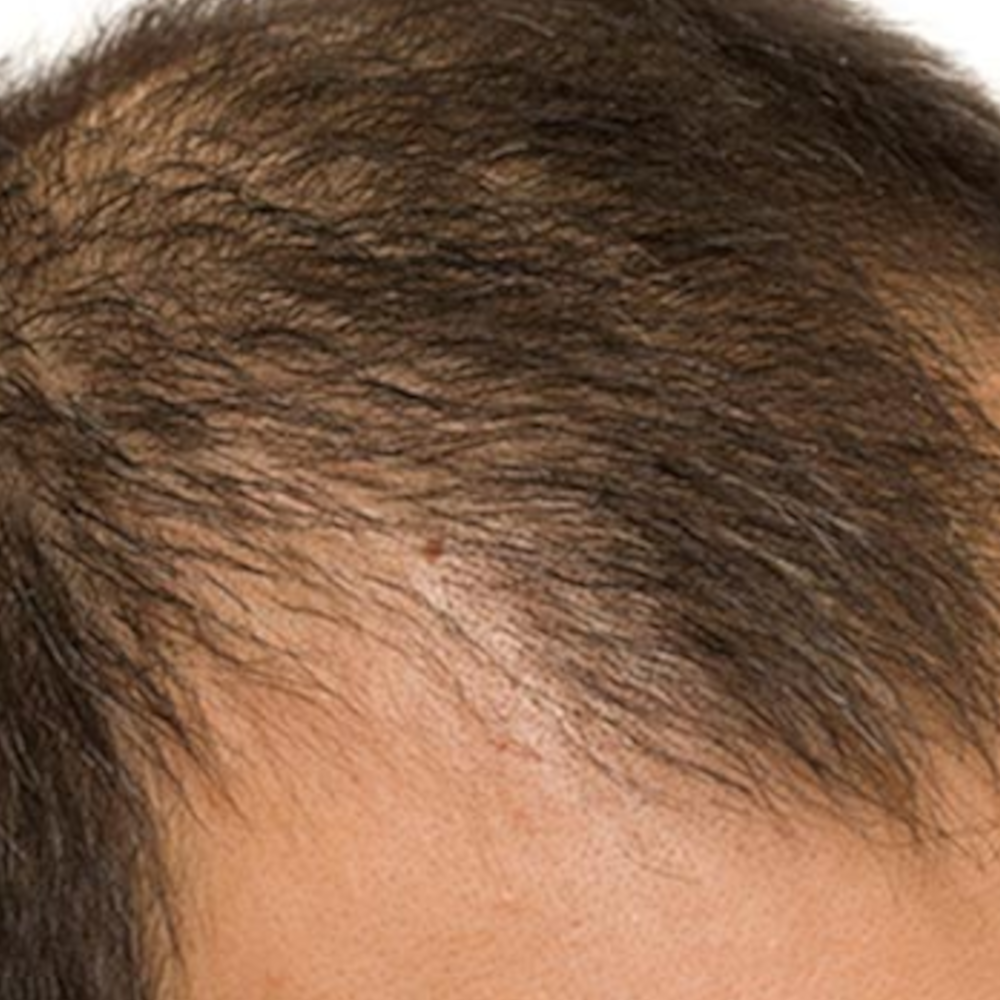
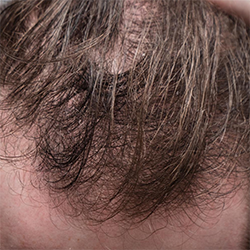
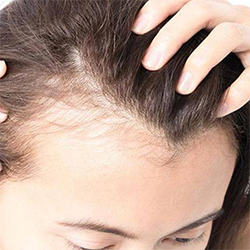
Androgenic Alopecia (Pattern Baldness): The most common form, influenced by genetics and hormones.
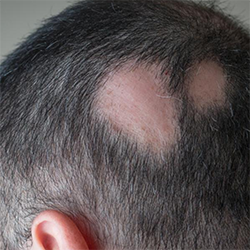
Alopecia Areata: An autoimmune condition where the body attacks its own hair follicles, leading to patchy hair loss. Telogen Effluvium: Temporary hair shedding triggered by stress, illness, or hormonal changes.
Traction Alopecia: Hair loss caused by hairstyles or practices that pull on the scalp, such as tight braids or ponytails.
Recognizing the type and cause of hair loss is the first step toward choosing an effective treatment plan and restoring healthy, strong hair.
Hair loss can result from a wide range of causes, from genetic predispositions to lifestyle habits and scalp health. Identifying the underlying reason is essential for effective treatment and hair restoration.

Family history and hormonal imbalances, particularly elevated androgens, are primary causes of pattern baldness.

Physical or emotional stress, combined with nutritional deficiencies, can disrupt the natural hair growth cycle and trigger shedding.

Issues like dandruff, psoriasis, or untreated acne can inflame the scalp, affecting healthy hair growth.

Health problems such as thyroid disorders, anemia, or autoimmune diseases like lupus can also lead to hair thinning or loss.
Severe hair loss can be distressing, but the right dermatological guidance can make a significant difference. Visiting a qualified dermatologist is the first step toward identifying the cause and receiving a personalised treatment plan tailored to your scalp, hair type, and overall health.
Consultation: Meet with a Wizderm dermatologist for a thorough assessment of your hair and scalp to identify concerns and determine the type and severity of hair loss.
Evaluation: Provide your medical history, lifestyle habits, and any previous hair treatments. This helps the doctor detect hormonal imbalances or other underlying factors contributing to hair loss.
Personalised Treatment Plan: Based on the assessment and evaluation, your dermatologist will create a customised treatment plan that may include medical therapies, topical solutions, or advanced procedures like PRP or hair restoration treatments.
Early diagnosis and a targeted treatment plan can help slow hair loss, promote regrowth, and restore stronger, healthier hair.
Persistent hair thinning, bald spots, or a receding hairline are clear signs that it’s time to consult a dermatologist. Hair loss can be progressive, and early intervention is crucial to prevent further thinning and promote regrowth. A dermatologist will carefully examine your scalp, evaluate underlying causes such as hormonal imbalances or medical conditions, and recommend a personalised treatment plan tailored to your needs.
You notice continuous hair thinning or shedding that does not improve over time.
Bald patches or receding hairlines appear or start expanding.
Hair loss is accompanied by scalp irritation, redness, or itching.
Lifestyle changes or home remedies have not reduced hair fall.
You want to prevent further hair loss and promote healthy regrowth.
Early consultation with a dermatologist ensures timely intervention, helping you maintain stronger, thicker, and healthier hair.
Every case of hair loss is unique, which is why personalised care is essential. Our expert dermatologists at Wizderm assess your scalp, hair condition, and medical history to create a customised treatment plan that meets your specific needs. Get complete details about the number of sessions required, treatment options, and exact costs for your personalised hair restoration package.
Book Your Consultation
Effective hair loss management starts with understanding the underlying causes and taking a proactive approach. With the right diagnosis and customised treatment plan, you can slow hair fall, stimulate regrowth, and restore healthier, fuller hair. Don’t wait for the problem to worsen—schedule your consultation today and take the first step toward stronger, revitalised hair.
- Reviewed by

Dr. Aslam Ali Consultant Dermatologist
Stay updated with expert tips, latest treatments, and exclusive offers. Subscribe to Wizderm's newsletter for healthy, glowing skin and hair!