





Why thickened skin develops on your feet and how proper care can bring back pain-free movement
Your feet work tirelessly every day, absorbing pressure, friction, and constant movement. Over time, this stress can lead to the formation of corns and calluses — hardened layers of skin created as the body’s natural protective response. While they may start as minor rough patches, they can gradually cause pain, irritation, and difficulty while walking or wearing footwear. Understanding why corns and calluses develop, how they differ, and when to seek professional treatment is the first step toward restoring comfort, mobility, and healthy skin.
Patients Treated
Corns and calluses are thickened layers of skin that form as a natural response to repeated pressure or friction. Corns are small, concentrated hardened areas usually seen on the tops or sides of the toes, and they often cause pain while walking or wearing tight footwear. Calluses, in contrast, are larger, flatter patches that commonly develop on the soles of the feet or palms. They are generally less painful but indicate continuous mechanical stress on the skin. While both are protective mechanisms of the body, they can gradually become uncomfortable and interfere with daily activities if ignored.
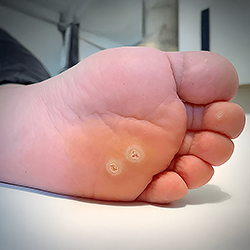
Identifying the difference between corns and calluses helps in choosing the right treatment and preventing recurring discomfort.
Corns and calluses form when your skin repeatedly tries to protect itself from constant rubbing, pressure, or mechanical stress. Over time, the body thickens the outer skin layer to prevent injury to deeper tissues. While this defense mechanism is natural, continuous exposure to the triggering factors can make the skin excessively hard, painful, and difficult to manage without proper care.

Shoes that are too tight, loose, or poorly stitched create constant friction and concentrated pressure on certain areas of the feet.

Conditions like flat feet, high arches, or hammertoes alter walking patterns and shift pressure unevenly across the foot.

Running, hiking, standing jobs, or sports repeatedly stress the same areas, encouraging skin thickening.

Disorders such as diabetes and arthritis reduce sensation or circulation, increasing the likelihood of developing corns and calluses.
If corns and calluses become painful, thick, or repeatedly return, professional evaluation is important. A dermatologist identifies the underlying cause — whether friction, pressure imbalance, footwear habits, or an associated medical condition — and then recommends a personalised treatment plan to safely remove thickened skin and prevent recurrence.
Consultation: The dermatologist performs a detailed physical examination of the affected area to understand the severity, depth, and pressure points causing the lesion.
Evaluation: Your medical history, daily activities, footwear habits, and existing health conditions are reviewed to detect contributing factors.
Treatment Planning: A customised treatment approach is created, which may include medical removal, pressure redistribution advice, and preventive care based on your skin type and lifestyle.
Early treatment not only relieves pain but also prevents infection, cracking, and recurrence, helping you walk comfortably again.

Corns and calluses may seem minor at first, but they can quickly turn painful and interfere with daily movement. Recognising warning signs early helps prevent deeper skin damage, infection, and walking difficulties. Seeking timely professional care ensures safe removal and long-term relief.
Consult a dermatologist if the corn or callus becomes painful while walking or standing.
Seek medical help if you notice redness, swelling, warmth, or fluid discharge around the area.
Book an appointment when home remedies fail to reduce thickness or the lesion keeps returning.
Individuals with diabetes or poor circulation should never ignore hardened skin on the feet.
Early treatment provides faster healing, prevents complications, and restores comfort with every step.
Get personalised guidance and accurate pricing for advanced corn and callus removal treatments. Our dermatology experts evaluate your condition and recommend the most effective plan for safe, painless, and long-lasting relief.
Book Your Consultation
Healthy feet are essential for everyday comfort and mobility. Leaving corns and calluses untreated can gradually lead to persistent pain, difficulty walking, and even infections. With timely dermatological care and the right treatment approach, relief is simple and effective. Don’t let discomfort slow you down — schedule your appointment today and step back into comfort with confidence.
- Reviewed by

Dr. Mustaqeem Farooqui Consultant Dermatologist
Stay updated with expert tips, latest treatments, and exclusive offers. Subscribe to Wizderm's newsletter for healthy, glowing skin and hair!