





Understanding acne scars and the advanced dermatological solutions available to restore smoother, clearer skin.
Acne scars are lasting marks left behind after inflamed acne heals, often affecting skin texture and confidence. While they may seem difficult to treat, advanced dermatological procedures can significantly reduce their appearance. With the right diagnosis and personalised care, acne scars can be effectively managed for clearer, more even-looking skin.
Patients Treated
Discover real patient transformations through our before-and-after gallery. Each result reflects Wizderm’s commitment to personalised care and confidence-boosting outcomes.
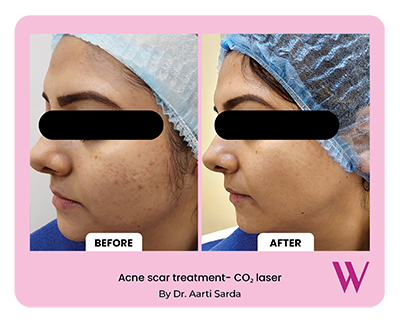
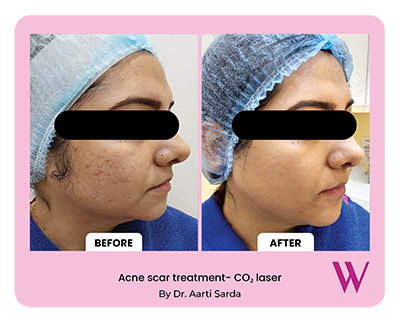
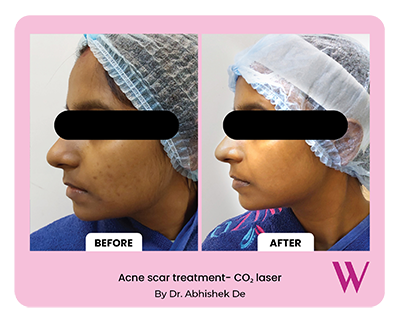
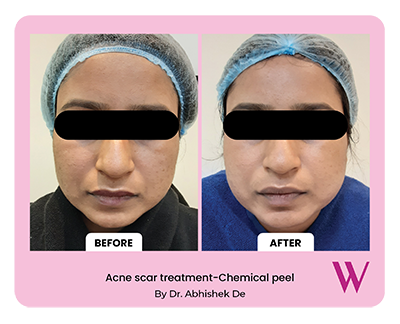
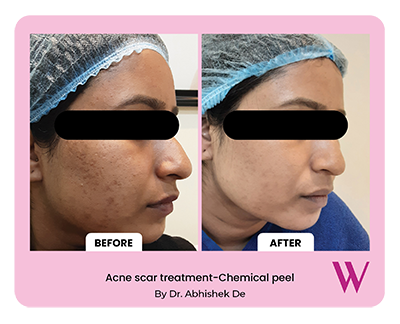
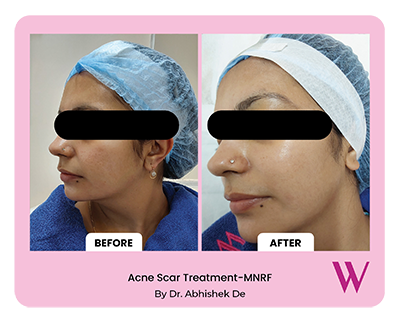
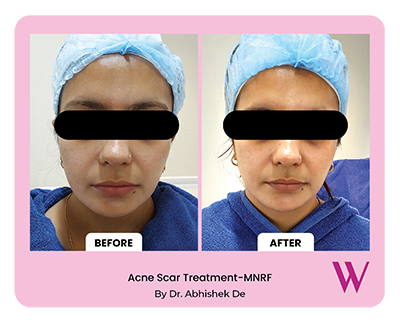
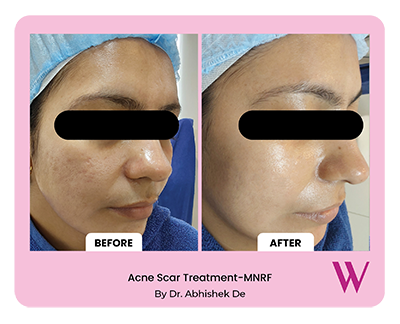
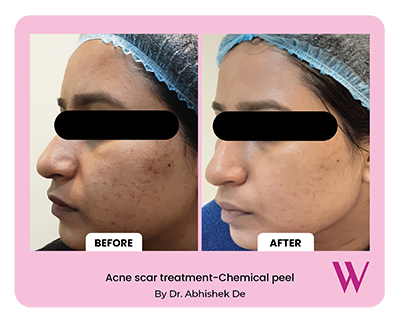
Acne scars, commonly known as pimple or zit scars, are the result of the skin’s natural healing process after acne breakouts. They form when inflamed acne damages the deeper layers of the skin, leading to changes in skin texture and appearance. Acne scars may appear as depressed areas or raised bumps, depending on how the skin heals and how collagen is produced during recovery.
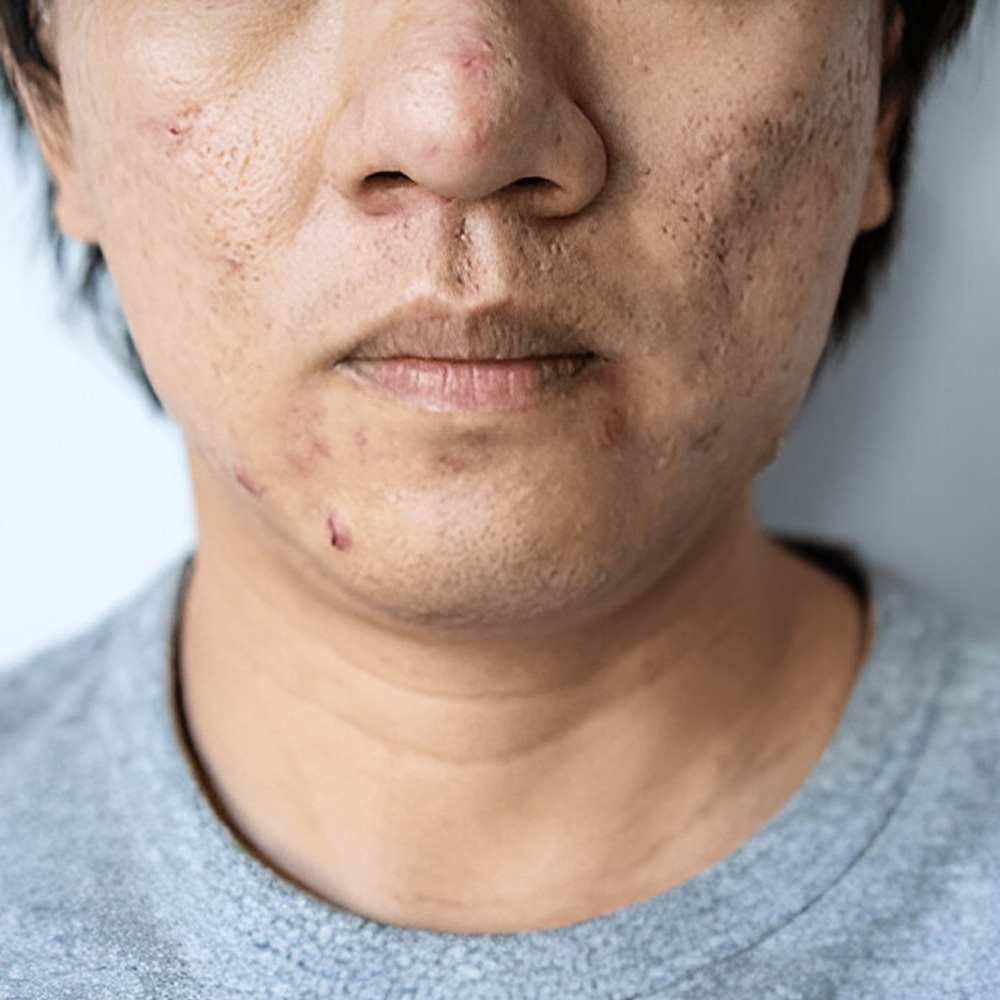
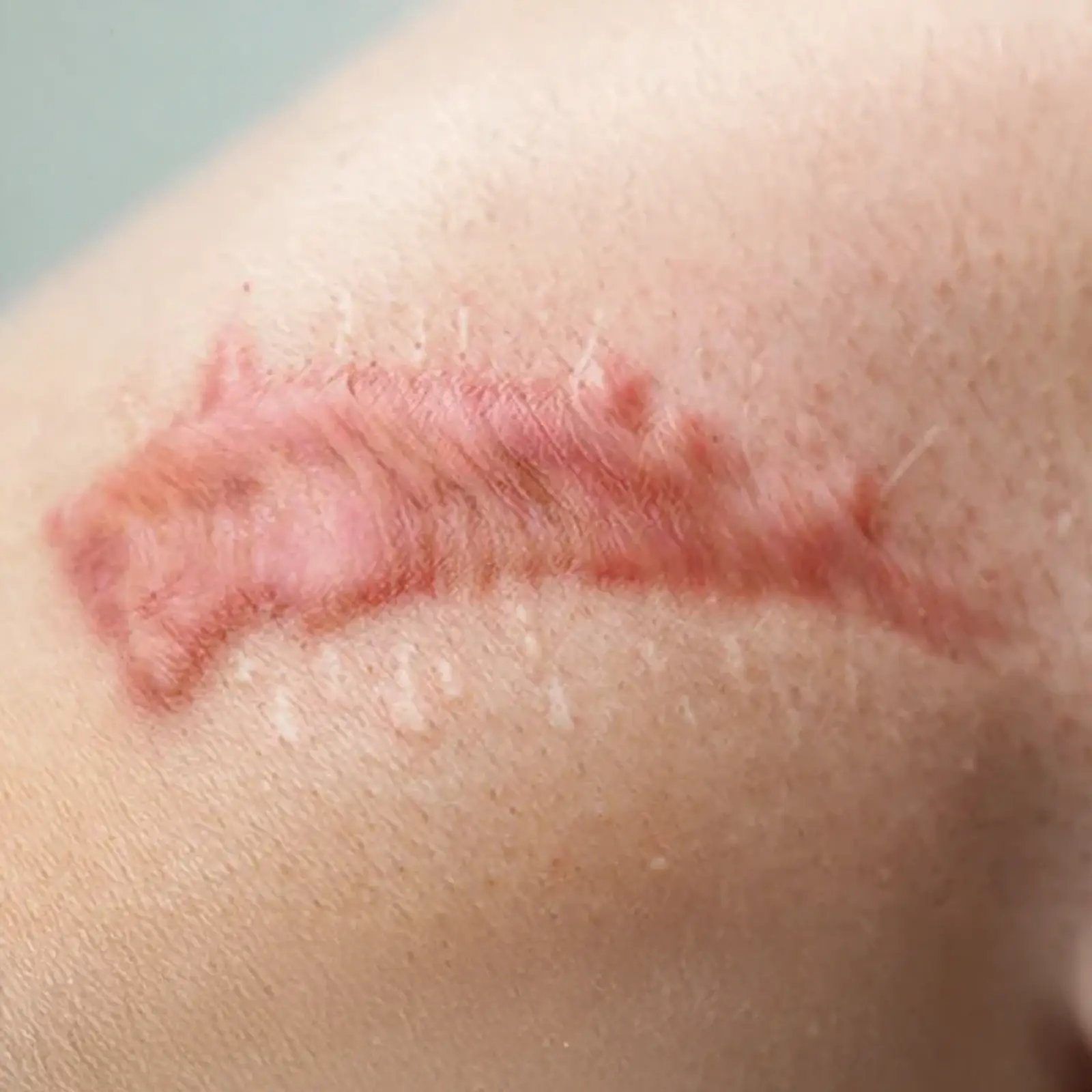
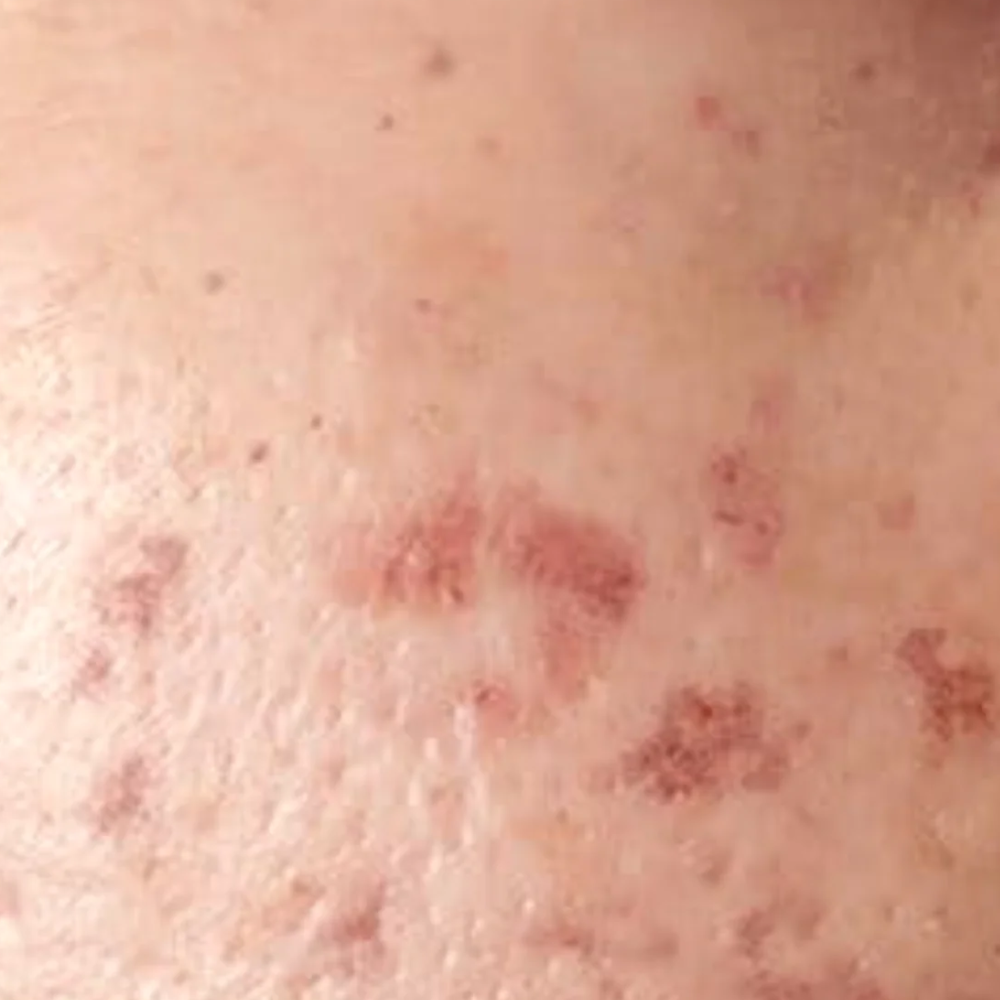
Atrophic Scars: These are depressed scars that form due to a loss of collagen during healing. Common types include ice pick scars, boxcar scars, and rolling scars. Atrophic scars are most often associated with severe or cystic acne, though other types of acne can also cause them.
Hypertrophic Scars: Hypertrophic scars appear as raised, firm lumps of scar tissue at the site of previous acne lesions. They occur when excess collagen is produced during the healing process. Post-Inflammatory Hyperpigmentation (PIH): PIH appears as dark spots or patches left behind after acne has healed. While often grouped with acne scars, PIH is technically not a scar but a pigment change that can fade with appropriate treatment.
Understanding the type of acne scar is essential for choosing the right treatment. With proper dermatological evaluation and personalised care, the appearance of acne scars and pigmentation can be significantly improved, helping restore smoother and more even-looking skin.
Acne scars form when inflamed acne damages the deeper layers of the skin and disrupts the natural healing process. The likelihood and type of scarring depend on several factors, including the severity of acne, skin behaviour, and individual healing response.

Deep cystic acne and nodules cause significant inflammation and tissue damage, making them more likely to leave permanent scars.

Manipulating acne lesions increases inflammation and trauma to the skin, significantly raising the risk of scarring.

Excess collagen production can result in raised scars, while insufficient collagen leads to depressed or sunken acne scars.

Some individuals are genetically more prone to developing acne scars due to how their skin heals after inflammation.
If you’re struggling with acne scars, consulting a dermatologist is the most effective way to identify the right treatment. Acne scars vary in type and severity, which is why professional evaluation is essential. At Wizderm, expert dermatologists assess your skin in detail to recommend personalised pimple scar removal solutions tailored to your skin’s needs.
Consultation: Begin with a consultation at Wizderm, where our dermatologists conduct a thorough skin examination to understand your concerns and identify the type of acne scars present.
Evaluation: Your medical history, lifestyle habits, and any underlying factors such as hormonal imbalances are evaluated to determine the most suitable treatment approach.
Personalised Treatment Plan: Based on the assessment and evaluation, the dermatologist designs a customised treatment plan aligned with your skin type, medical history, and the severity of your acne scars.
With the right diagnosis and a personalised dermatological approach, acne scars can be effectively treated. Early consultation helps achieve better results, improved skin texture, and long-term confidence.
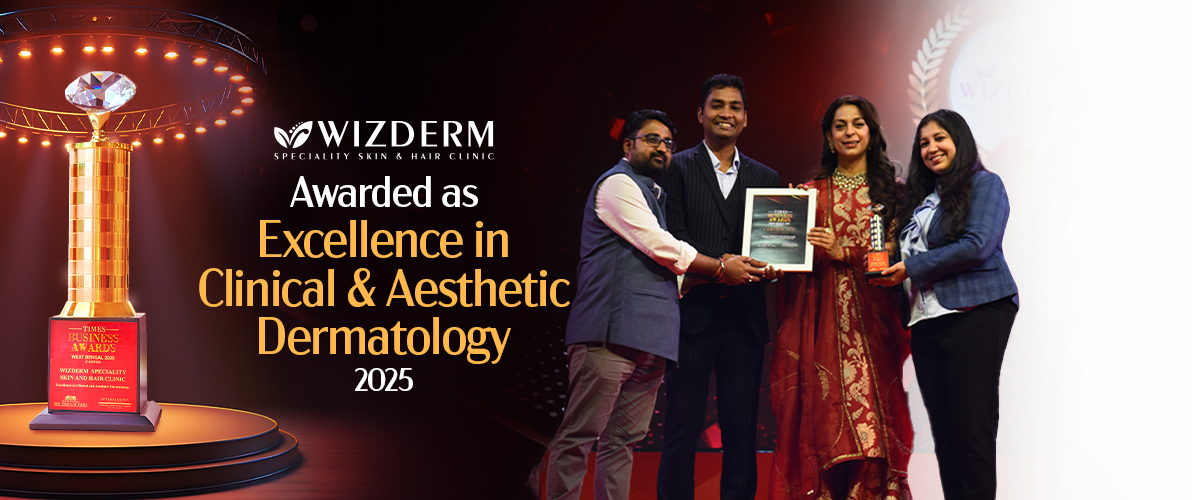
The ideal time to begin acne scar treatment is once active acne is under control. Treating scars while frequent breakouts are still present may lead to new scarring and reduced treatment effectiveness. Consulting a dermatologist at the right stage ensures safer procedures and better, long-lasting results.
Active acne has reduced, but scars, marks, or uneven skin texture remain
Acne scars are affecting your confidence or self-esteem
Home remedies and topical products are not improving scar appearance
You want safe, clinically guided pimple scar removal options
Early professional evaluation helps plan the right treatment at the right time. With expert dermatological care, acne scars can be treated effectively, leading to smoother skin and renewed confidence.
Consult our specialists to explore customised acne scar treatment plans designed specifically for your skin, along with transparent pricing details.
Book Your Appointments Now!
Acne scars don’t have to be permanent. With advanced dermatological treatments and personalised care, effective solutions are available to improve skin texture and restore a smoother, more radiant appearance. Take the next step—book your consultation today.
- Reviewed by

Dr. Mustaqeem Farooqui Consultant Dermatologist
Stay updated with expert tips, latest treatments, and exclusive offers. Subscribe to Wizderm's newsletter for healthy, glowing skin and hair!