





Understanding Common Skin Growths and When to Seek Dermatological Care
Your skin can develop various types of growths over time, including skin tags, warts, and moles. While most of these skin conditions are harmless, some may cause discomfort, cosmetic concerns, or require medical evaluation to rule out underlying risks. Understanding the difference between skin tags, warts, and moles is essential for choosing the right treatment approach. In this blog, we explain their causes, symptoms, and the safest dermatological treatments available for effective removal.
Patients Treated
Explore our before-and-after gallery showcasing visible results from professional skin tag removal, wart treatment, and mole removal procedures at Wizderm. See how our advanced dermatological techniques help restore clearer, healthier-looking skin with precision and care.
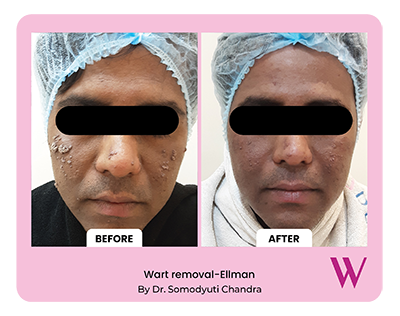
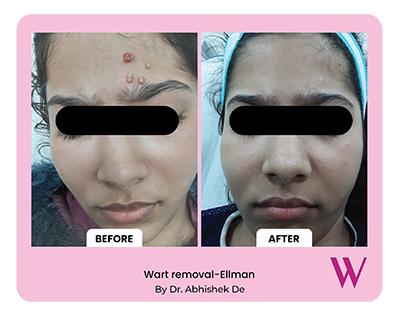
Skin Tags, Warts & Moles are common types of skin growths that can appear at any stage of life. Skin tags (acrochordons) are soft, flesh-coloured growths that typically develop in areas of friction such as the neck, underarms, eyelids, or groin. They are non-cancerous but may cause irritation or cosmetic concern. Warts are small, rough skin growths caused by the human papillomavirus (HPV). Unlike moles, warts are contagious and can spread through skin-to-skin contact or shared surfaces. Moles are clusters of pigmented skin cells (melanocytic nevi) that may be flat or raised and vary in colour from light brown to black. While most moles are harmless, changes in their size, shape, or colour should be evaluated by a dermatologist.
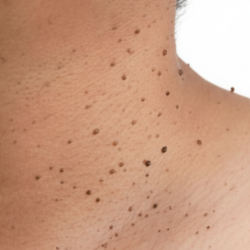
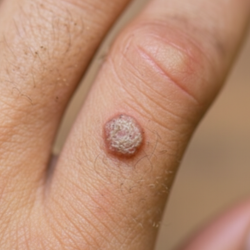
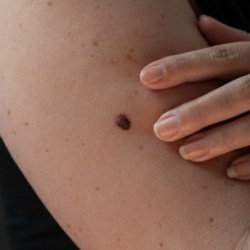
Although most skin tags, warts, and moles are benign, proper diagnosis is essential to rule out potential risks and determine the safest removal method. Consulting a qualified dermatologist ensures accurate identification and appropriate treatment for healthy, clear skin.
Why Do Warts, Moles & Skin Tags Form? Skin tags, warts, and moles develop due to different biological and environmental factors. While some are caused by viral infections, others are linked to genetics, hormonal changes, sun exposure, or skin friction. Understanding the root cause helps in choosing the right dermatological treatment and knowing when professional evaluation is necessary.

Warts form when the human papillomavirus (HPV) infects the top layer of the skin, usually entering through small cuts or abrasions. A weakened immune system, frequent use of communal areas like gyms or pools, and skin injuries increase the risk. They are typically rough, raised, and may appear cauliflower-like. Common types include plantar warts (on the feet) and flat warts (on the face or hands).

Moles develop due to clusters of pigment-producing cells (melanocytes). They are often genetic but can also form or darken due to prolonged sun exposure, which stimulates melanin production. Hormonal changes during puberty or pregnancy may also trigger new moles. Dermatologists use the ABCDE rule (Asymmetry, Border, Colour, Diameter, Evolution) to evaluate suspicious moles.

Skin tags arise from clumps of collagen fibers and blood vessels trapped within thicker skin. They commonly occur in areas of friction such as the neck, underarms, or groin. Contributing factors include hormonal changes (especially during pregnancy), obesity, genetics, and conditions like insulin resistance.
If you notice unusual skin growths such as moles, warts, or skin tags, a professional dermatological evaluation is essential. Accurate diagnosis helps differentiate between benign skin lesions and potentially concerning growths. A qualified dermatologist can assess the type, size, location, and severity of the lesion and recommend the safest and most effective removal treatment.
Dermatologist Consultation: During your initial consultation, a board-certified dermatologist will perform a detailed skin examination. Suspicious moles may be evaluated using dermoscopy and the ABCDE rule to check for signs of skin cancer, while warts and skin tags are clinically identified based on appearance and texture.
Medical Evaluation: Your medical history, lifestyle factors, immune status, and any recent changes in the lesion will be reviewed. This step helps determine whether the growth is viral (such as HPV-related warts), genetic (moles), or friction-related (skin tags), and ensures the treatment plan is safe and appropriate.
Customized Treatment Plan: Based on the diagnosis, your dermatologist will recommend the most suitable treatment option. This may include laser removal, radiofrequency ablation, cryotherapy (freezing), cauterization, minor surgical excision, or topical treatments. The approach is tailored to minimize scarring, prevent recurrence, and ensure optimal cosmetic results.
Early diagnosis and professional removal of moles, warts, and skin tags not only improves skin appearance but also reduces the risk of complications. If you notice rapid growth, bleeding, pain, or changes in colour or shape, schedule a dermatology consultation promptly for expert evaluation and safe treatment.

While most moles, warts, and skin tags are harmless, certain warning signs should never be ignored. Early dermatological evaluation is essential to rule out skin cancer, prevent infection, and ensure safe removal. If you notice unusual changes in any skin growth, seeking professional medical advice can help protect your skin health and overall well-being.
A mole changes in size, shape, or colour, starts bleeding, becomes itchy, or shows irregular borders, as these may be early signs of melanoma or other forms of skin cancer.
A wart does not respond to over-the-counter treatments, becomes painful, or starts spreading to other areas of your body.
A skin tag becomes irritated, painful, twisted, infected, or changes in colour or appearance.
Any skin growth grows rapidly or looks significantly different from your other moles (the “ugly duckling” sign).
Prompt diagnosis and timely treatment of suspicious moles, persistent warts, or irritated skin tags can prevent complications and ensure safe, effective removal. When in doubt, consult a qualified dermatologist for a thorough skin examination and expert guidance.
Get in touch with our expert dermatologists to learn about the exact cost of customized mole removal, wart treatment, and skin tag removal procedures. Receive a detailed skin assessment and a personalized treatment plan tailored to your specific skin concern, ensuring safe, effective, and cosmetically precise results.
Book Your Skin Evaluation Today
Moles, warts, and skin tags are common skin growths that should never be ignored, especially if they change in size, shape, colour, or cause discomfort. Early diagnosis by a qualified dermatologist is essential to rule out skin cancer, prevent infection, and ensure safe and effective mole removal, wart treatment, or skin tag removal. Modern dermatological procedures such as laser removal, cryotherapy, and radiofrequency ablation offer minimally invasive solutions with excellent cosmetic results and minimal downtime. If you are concerned about a suspicious mole, persistent wart, or irritated skin tag, schedule a professional skin evaluation today. Timely treatment not only improves your skin’s appearance but also protects your long-term skin health. Book your dermatology consultation now and take the first step toward clearer, healthier skin.
- Reviewed by

Dr. Shreya Poddar Consultant Dermatologist
Stay updated with expert tips, latest treatments, and exclusive offers. Subscribe to Wizderm's newsletter for healthy, glowing skin and hair!