





Understanding uneven skin tone, rough skin texture, and the best dermatological treatments to restore smooth, radiant skin.
Uneven skin tone and uneven skin texture are common skin concerns that affect people of all ages. Issues such as pigmentation, dark spots, patchy complexion, enlarged pores, and rough or bumpy skin can reduce skin radiance and impact confidence. These concerns are often caused by sun damage, acne scars, hormonal changes, pollution, and improper skincare. The good news is that advanced dermatological treatments for uneven skin tone and texture can help restore smoother, clearer, and more even-looking skin. In this blog, we explore the causes of uneven skin and the most effective treatment options recommended by dermatologists.
Patients Treated
Explore real patient results showcasing clinical improvement in uneven skin tone, pigmentation irregularities, rough skin texture, enlarged pores, and dull skin. All treatments are performed by experienced dermatologists using advanced laser technology and evidence-based skin rejuvenation procedures at Wizderm Skin & Hair Clinic.
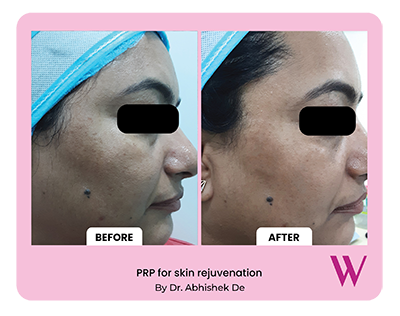
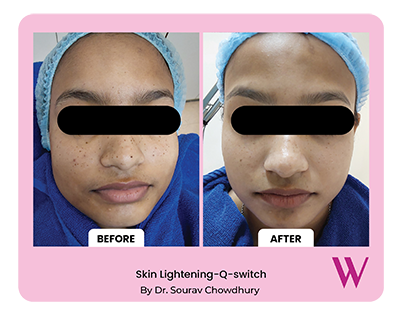
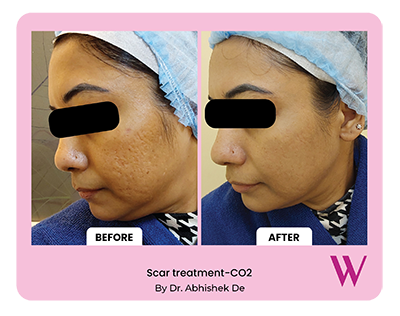
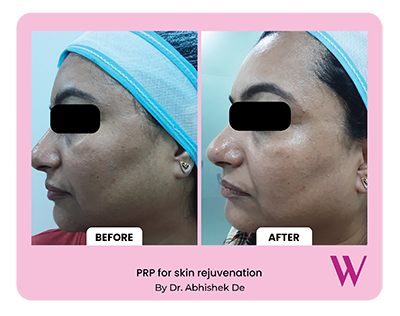
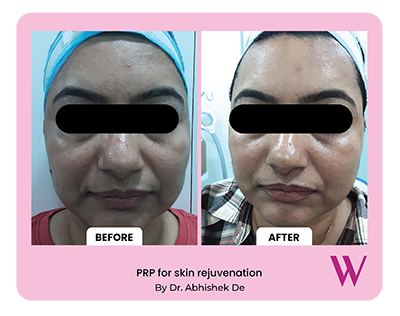
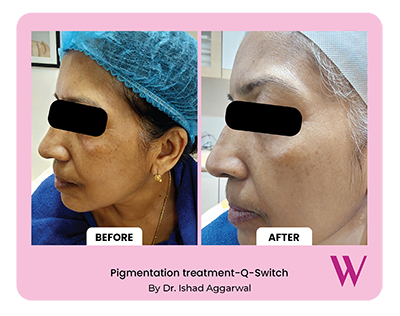
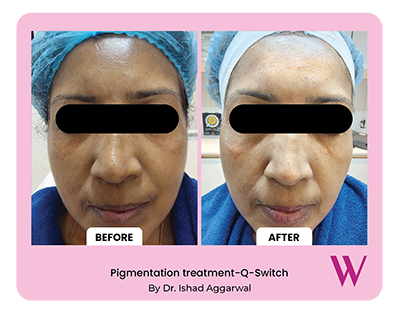
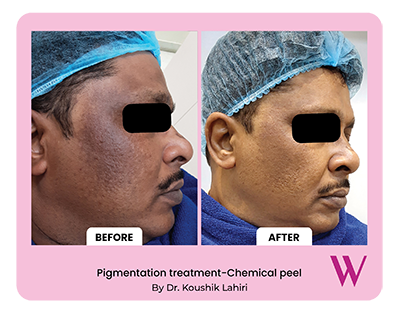
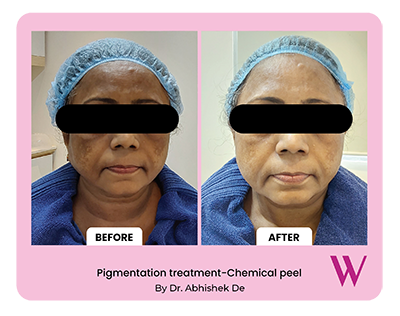
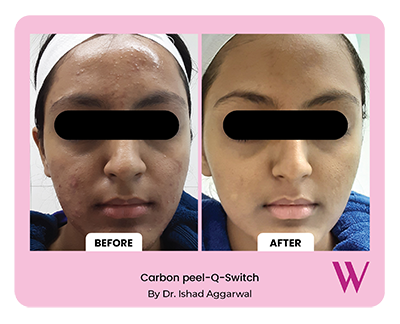
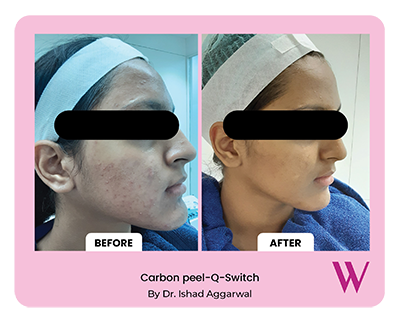
Uneven skin tone and uneven skin texture are common dermatological concerns characterized by irregularities in skin colour, pigmentation, and surface smoothness. These concerns may present as dark spots, light patches, rough areas, enlarged pores, dullness, or patchy complexion.
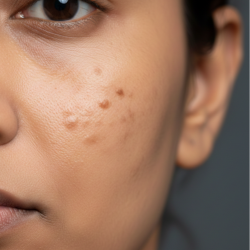
Uneven skin tone typically occurs due to an imbalance in melanin production, while uneven texture is often caused by sun damage, acne scars, clogged pores, ageing, or environmental stress. Without proper treatment, these issues can affect overall skin radiance and clarity.
Common types of skin tone irregularities include:
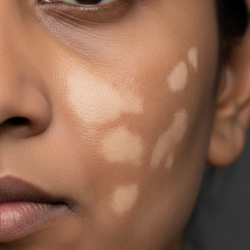
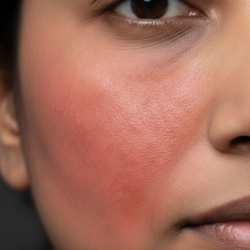
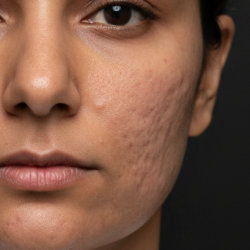
At Wizderm Skin & Hair Clinic, our experienced dermatologists perform a detailed skin analysis to identify the root cause of uneven skin tone and texture. Based on your skin type and concern, we create a personalized treatment plan using advanced dermatology technology to help restore clear, smooth, and even-toned skin safely and effectively.
Uneven skin tone and uneven skin texture develop due to multiple internal and external factors that affect melanin production, collagen levels, and the skin’s natural renewal cycle. From excessive sun exposure to hormonal fluctuations and ageing, these triggers can lead to pigmentation issues, rough patches, acne scars, and dull skin. Understanding the root causes of uneven pigmentation and texture is essential for choosing the right dermatological treatment and achieving long-term skin clarity.

Prolonged UV exposure stimulates excess melanin production, leading to dark spots, hyperpigmentation, tanning, and blotchiness. Over time, sun damage also accelerates collagen breakdown, resulting in rough skin texture and premature ageing.

Breakouts, skin irritation, and inflammatory conditions often leave behind post-inflammatory hyperpigmentation (PIH) or acne scars. These marks contribute significantly to uneven complexion and irregular skin surface.

Hormonal fluctuations during pregnancy, thyroid imbalance, or birth-control usage can trigger melasma, a condition characterized by brown or grey patches on the face, particularly on the cheeks and forehead.
As we age, the skin’s natural cell turnover slows down and collagen production decreases. This leads to dullness, uneven texture, fine lines, and more visible pigmentation irregularities.

Family history can make certain individuals more prone to pigmentation disorders, enlarged pores, acne scarring, or uneven skin texture, making preventive dermatological care even more important.
While mild uneven skin tone and rough skin texture can sometimes improve with proper skincare, persistent pigmentation, acne scars, dark patches, or dullness require professional evaluation. Consulting a qualified dermatologist ensures an accurate diagnosis and a customized treatment plan tailored to your skin type, medical history, and severity of pigmentation. At Wizderm Skin & Hair Clinic, our dermatologists use advanced diagnostic methods and evidence-based treatments to effectively treat uneven skin tone, hyperpigmentation, melasma, and textured skin.
Dermatologist Consultation: Your journey begins with a detailed skin consultation. Our expert dermatologists carefully examine your skin to assess pigmentation, acne scars, sun damage, enlarged pores, and overall skin texture. This helps identify the root cause of uneven skin tone.
Clinical Evaluation & Skin Analysis: You will be asked about your medical history, lifestyle habits, hormonal factors, and previous treatments. The doctor evaluates your skin type, melanin levels, and severity of pigmentation or textural irregularities to ensure safe and effective treatment planning.
Personalized Treatment Plan: Based on the diagnosis, a customized treatment plan is designed. This may include advanced dermatological treatments such as chemical peels, laser treatments for pigmentation, medi-facials, PRP, microneedling, or medical-grade skincare. The goal is to restore an even skin tone, smoother texture, and long-lasting radiance.
Early diagnosis and the right dermatological treatment can significantly improve uneven skin tone and texture. Don’t let pigmentation or rough skin affect your confidence — book a consultation with our expert dermatologists today and take the first step toward clearer, healthier, and more radiant skin.

Uneven skin tone and rough skin texture may begin as mild concerns, but if left untreated, they can gradually worsen over time. Persistent pigmentation, dark spots, dullness, acne scars, or patchy skin often indicate underlying issues such as sun damage, hormonal imbalance, or post-inflammatory hyperpigmentation. Seeking professional dermatological treatment at the right time can prevent further skin damage and restore a smoother, more even complexion.
If dark spots, hyperpigmentation, or melasma patches are becoming more visible despite using skincare products.
If your skin texture feels consistently rough, bumpy, or uneven even after exfoliation.
If acne scars or post-acne marks are not fading after several months.
If sun damage has caused blotchiness, tanning, or uneven pigmentation.
If over-the-counter creams are not delivering visible improvement.
If uneven skin tone is affecting your confidence or makeup does not sit smoothly on your skin.
Early dermatological intervention can significantly improve uneven skin tone and texture with safe and advanced treatments. Book a consultation with our skin specialists to achieve clearer, smoother, and more radiant skin.
Connect with our experienced dermatologists to learn more about customized treatments for uneven skin tone and uneven skin texture. Get a detailed skin assessment and a personalized treatment plan designed specifically for your skin type, concern, and goals — along with complete transparency on treatment costs.
Book Your Skin Consultation Today
Conclusion Uneven skin tone and uneven skin texture can impact not only your appearance but also your confidence. Concerns such as hyperpigmentation, dark spots, rough patches, acne marks, enlarged pores, and dull skin are common — but they are also treatable with the right dermatological care. With advancements in modern aesthetic dermatology, safe and effective treatments are available to restore smoother texture, even complexion, and natural radiance. Early diagnosis and a customized treatment plan designed by an experienced dermatologist can make a significant difference in achieving long-lasting results. Whether your concern is pigmentation, sun damage, post-inflammatory hyperpigmentation, or age-related texture changes, professional evaluation ensures that your skin receives targeted and scientifically backed solutions. Clear, even, and healthy-looking skin is achievable. Take the first step toward professional treatment for uneven skin tone and texture by scheduling your dermatology consultation today. Your journey to brighter, smoother, and more confident skin starts now.
- Reviewed by

Dr. Aslam Ali Consultant Dermatologist
Stay updated with expert tips, latest treatments, and exclusive offers. Subscribe to Wizderm's newsletter for healthy, glowing skin and hair!