





Understanding why depigmented patches appear — and what modern dermatology can do about them
Vitiligo is a chronic skin condition in which the pigment-producing cells (melanocytes) stop functioning or are destroyed, leading to well-defined white patches on the skin. It can affect people of any age, gender, or skin tone and may appear on the face, hands, lips, scalp, or other parts of the body. While it is not contagious or life-threatening, vitiligo often raises emotional and cosmetic concerns, making proper awareness and medical guidance essential. Advances in dermatology have significantly improved how vitiligo is diagnosed and managed. From identifying possible triggers such as autoimmune factors, genetics, or oxidative stress to planning individualized treatment approaches, early evaluation by a dermatologist plays a key role in controlling spread and promoting repigmentation. This guide explores what vitiligo is, why it occurs, and the treatment options available today.
Patients Treated
Discover visible improvements through our before-and-after gallery featuring genuine outcomes from Wizderm Skin & Hair Clinic treatments. From restoring even skin tone to enhancing overall appearance, every transformation reflects expert care, advanced technology, and personalized treatment plans designed to bring back your confidence.
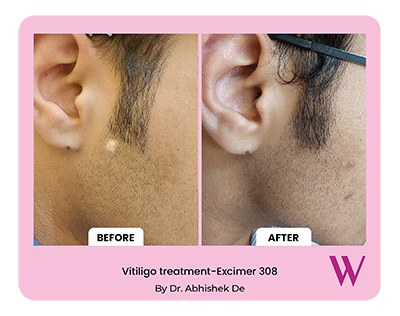
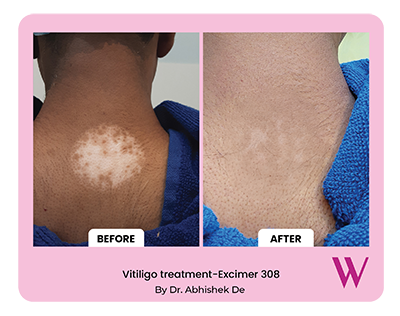
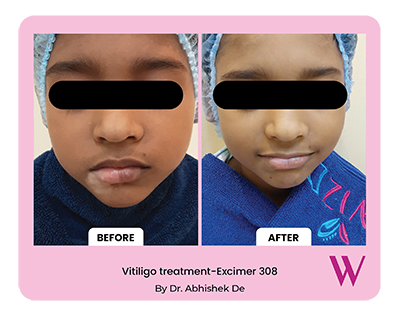
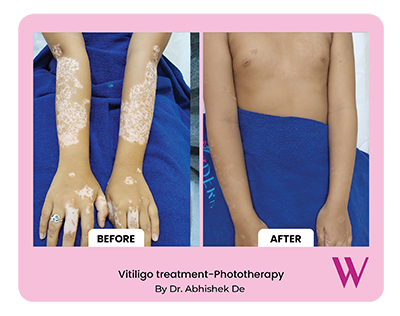
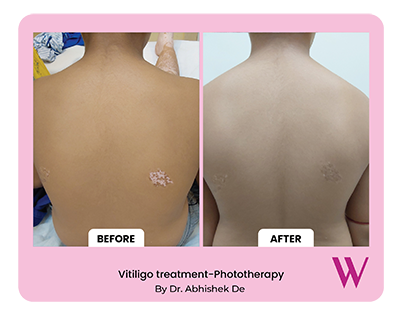
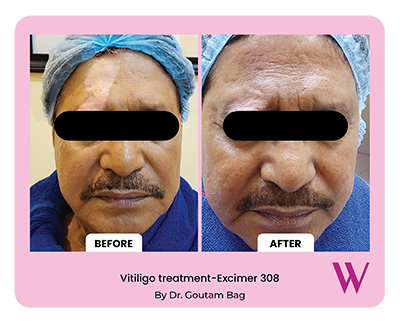
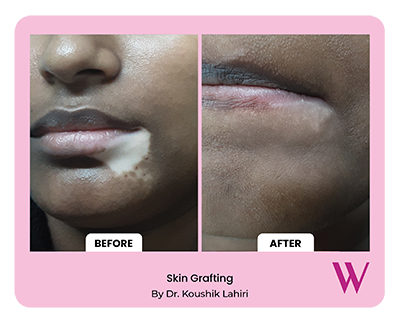
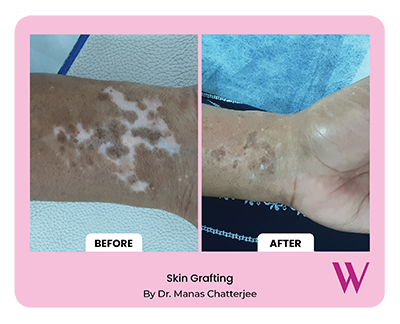
Vitiligo is a chronic skin condition in which melanocytes — the cells responsible for producing melanin — gradually get destroyed, leading to the appearance of white or lighter patches on the skin. These depigmented areas can occur anywhere on the body, including the face, hands, lips, and even the scalp, sometimes causing hair in the affected area to turn white. Although vitiligo is neither contagious nor life-threatening, the visible nature of the condition can significantly affect a person’s confidence and emotional well-being.



Early diagnosis and proper dermatological care can help manage vitiligo effectively and improve overall skin appearance and confidence.
The exact cause of vitiligo is still under research, but dermatologists have identified several biological and environmental factors that contribute to the destruction of melanocytes (melanin-producing cells). In most cases, vitiligo develops due to a combination of immune dysfunction, genetic predisposition, and external triggers that interrupt normal skin pigmentation.

The body’s immune system mistakenly attacks melanocytes, leading to loss of pigment and formation of white patches.

Individuals with a family history of vitiligo or autoimmune diseases have a higher risk of developing the condition.

Factors such as emotional stress, severe sunburn, skin trauma, or exposure to certain chemicals may initiate or worsen vitiligo.

An excess buildup of free radicals damages melanocytes, interfering with melanin production and causing depigmentation.
If you notice spreading white patches or sudden loss of skin pigmentation, it is important to consult a dermatologist early. Proper diagnosis helps determine the activity and type of vitiligo so that the most effective treatment plan can be started. Early intervention improves repigmentation success and helps prevent further depigmentation.
Consultation: The dermatologist performs a detailed consultation and examines your skin under clinical lighting to identify depigmented patches.
Evaluation: Your medical history, lifestyle habits, and associated conditions are evaluated to detect autoimmune triggers or related disorders.
Treatment Plan:A customised treatment plan is created based on the stability, location, and severity of vitiligo patches.
With timely dermatological care and advanced treatment approaches, vitiligo can be effectively managed and repigmentation can be significantly improved.

Early diagnosis plays a crucial role in controlling vitiligo progression and improving repigmentation outcomes. The sooner medical treatment begins, the higher the chances of stabilising pigment loss and restoring natural skin tone. Delaying care may allow patches to spread and become more resistant to treatment.
Seek treatment immediately if you notice new white patches appearing on your face, hands, lips, or other exposed areas.
Consult a dermatologist if existing patches start enlarging or spreading rapidly.
Get evaluated when hair within patches turns white or grey.
Visit a specialist if vitiligo begins affecting your confidence or emotional wellbeing.
Timely dermatological intervention helps control depigmentation, improves treatment response, and supports both skin health and self-confidence.
Every vitiligo case is different, which is why treatment plans must be customised. Our dermatology experts will assess your skin, understand the extent of depigmentation, and guide you with the most suitable treatment options along with a clear cost estimate.
Book Your Consultation
Vitiligo may change your skin, but it never changes who you are. Today, with advanced dermatological treatments and expert-guided care, managing depigmented patches and restoring an even skin tone is more achievable than ever. The key is early diagnosis, personalised treatment, and consistent follow-up. Take the first step toward healthier, more confident skin — consult a dermatologist and begin your journey to clearer, balanced, and naturally radiant skin.
- Reviewed by

Dr. Aslam Ali Consultant Dermatologist
Stay updated with expert tips, latest treatments, and exclusive offers. Subscribe to Wizderm's newsletter for healthy, glowing skin and hair!