





Understanding Scars and How Modern Dermatology Can Help Restore Smooth, Healthy Skin
Scars are a natural part of the skin’s healing process, forming after injuries, acne breakouts, burns, surgery, or infections. When the skin repairs itself, it produces collagen fibers that may differ in texture and appearance from the surrounding tissue, resulting in visible marks. While some scars fade over time, others can become raised, depressed, pigmented, or uneven, affecting both skin texture and confidence. Today, advanced dermatological treatments such as laser therapy, microneedling, chemical peels, and radiofrequency procedures offer safe and effective solutions for reducing the appearance of scars. With the right diagnosis and personalized treatment plan, it is possible to significantly improve skin texture and restore a smoother, more even complexion.
Patients Treated
Browse our Before-and-After gallery to witness genuine transformations achieved through Wizderm’s advanced treatments. Discover how we help restore confidence and enhance natural beauty with visible, lasting results.
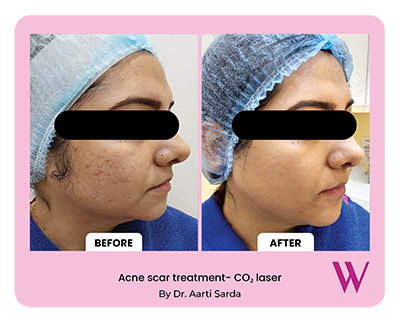
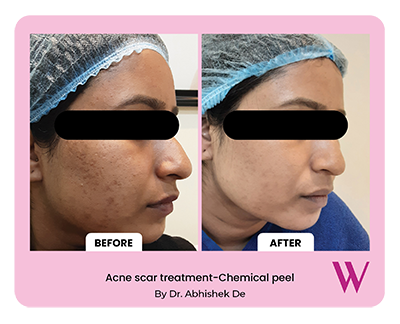
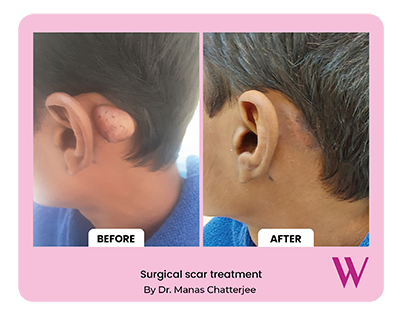
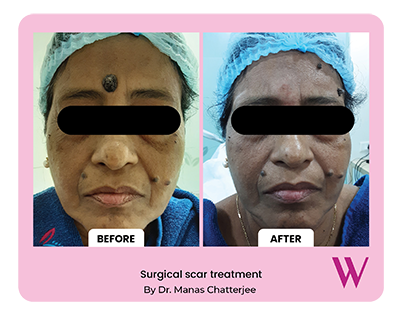
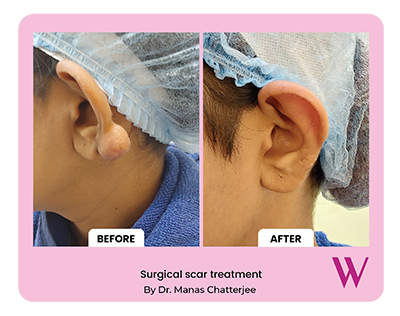
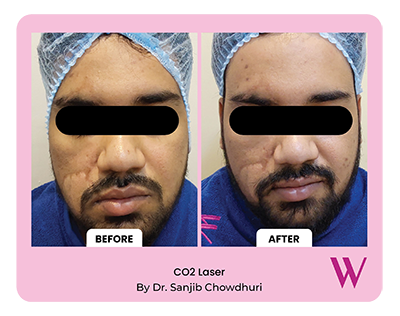
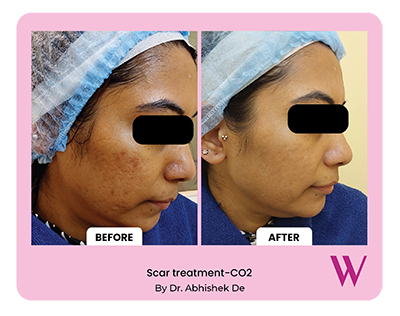
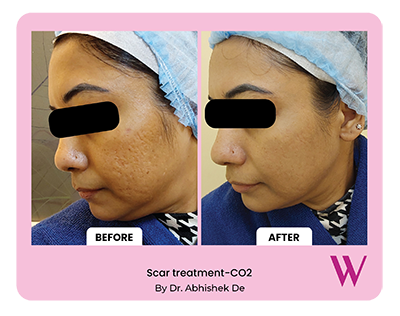
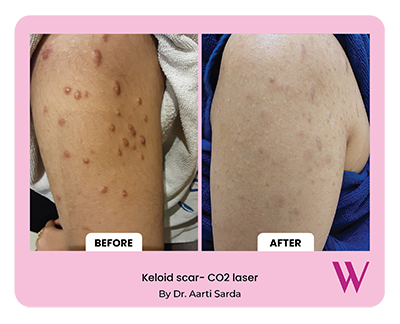
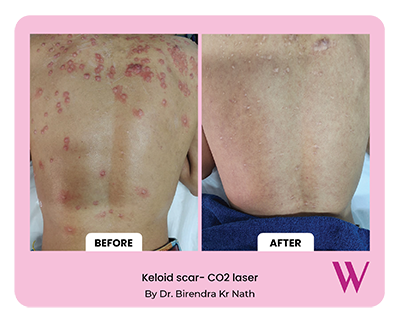
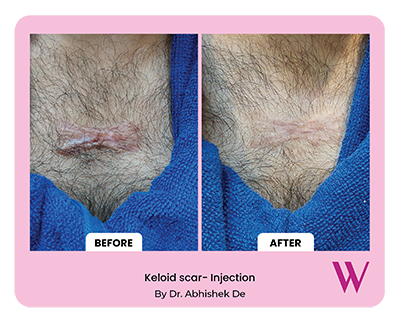
Scars are visible marks that develop when the skin heals after an injury such as a cut, burn, acne breakout, surgery, or infection. They form as part of the body’s natural repair process. When the skin is damaged, it produces collagen fibers to close and heal the wound. This newly formed tissue, known as scar tissue, often differs in texture, color, and thickness from the surrounding skin, which is why scars may appear raised, sunken, tight, or discolored.
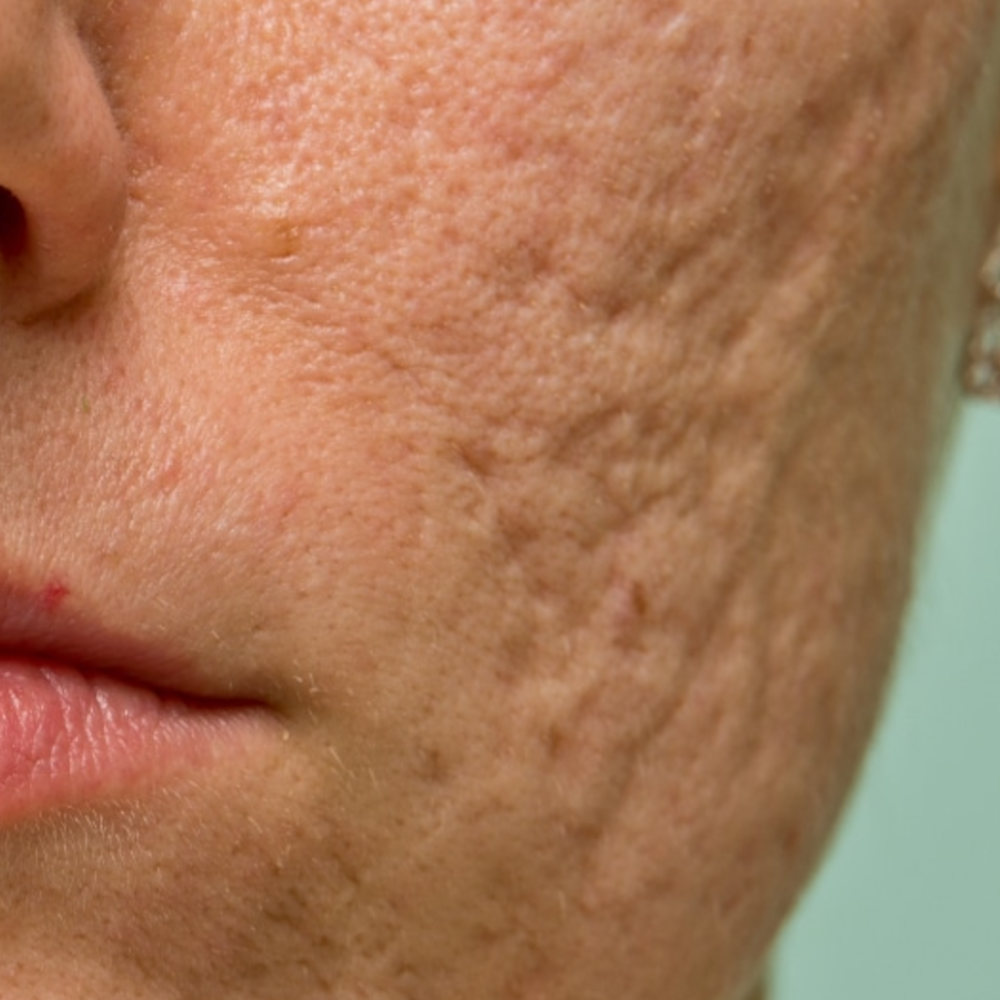
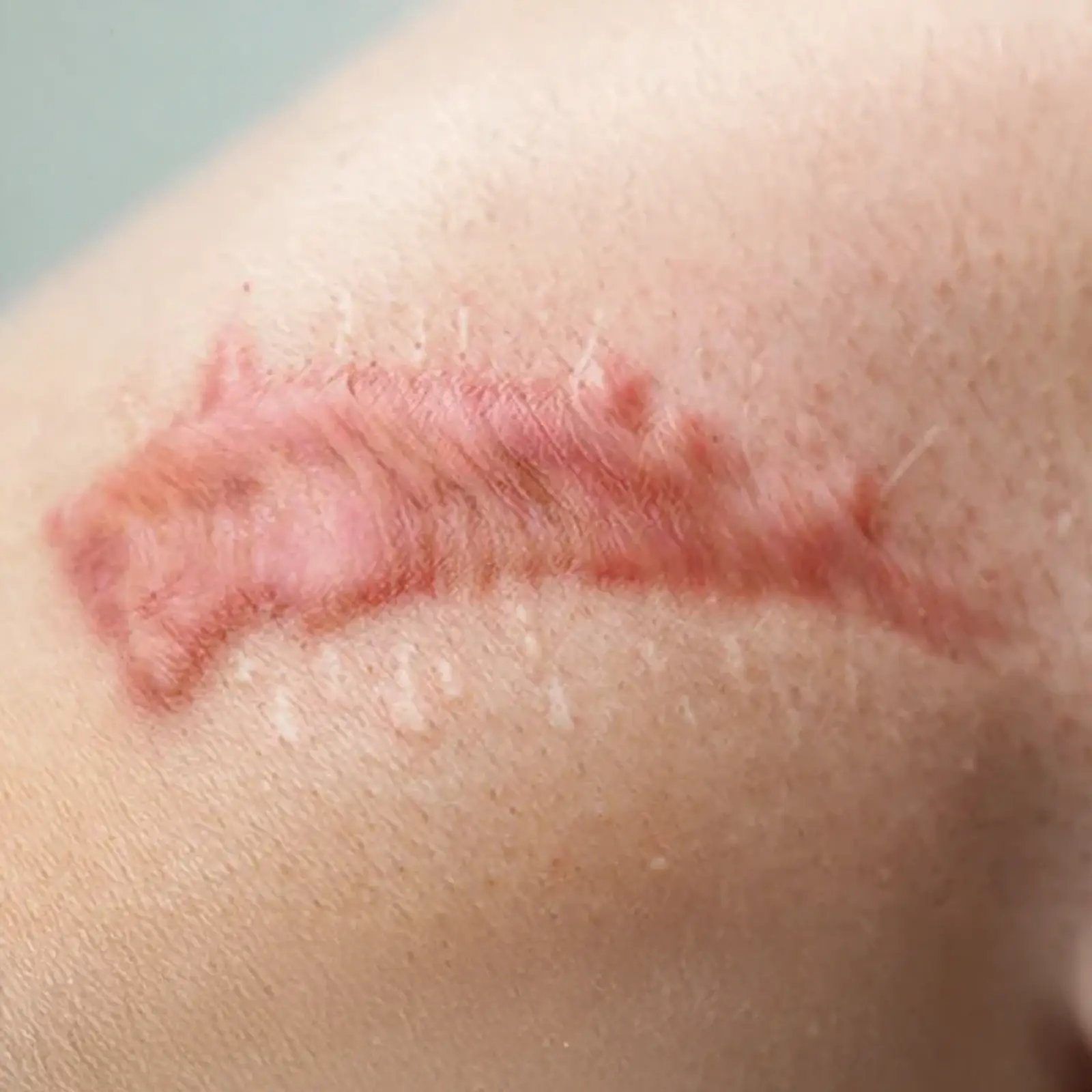
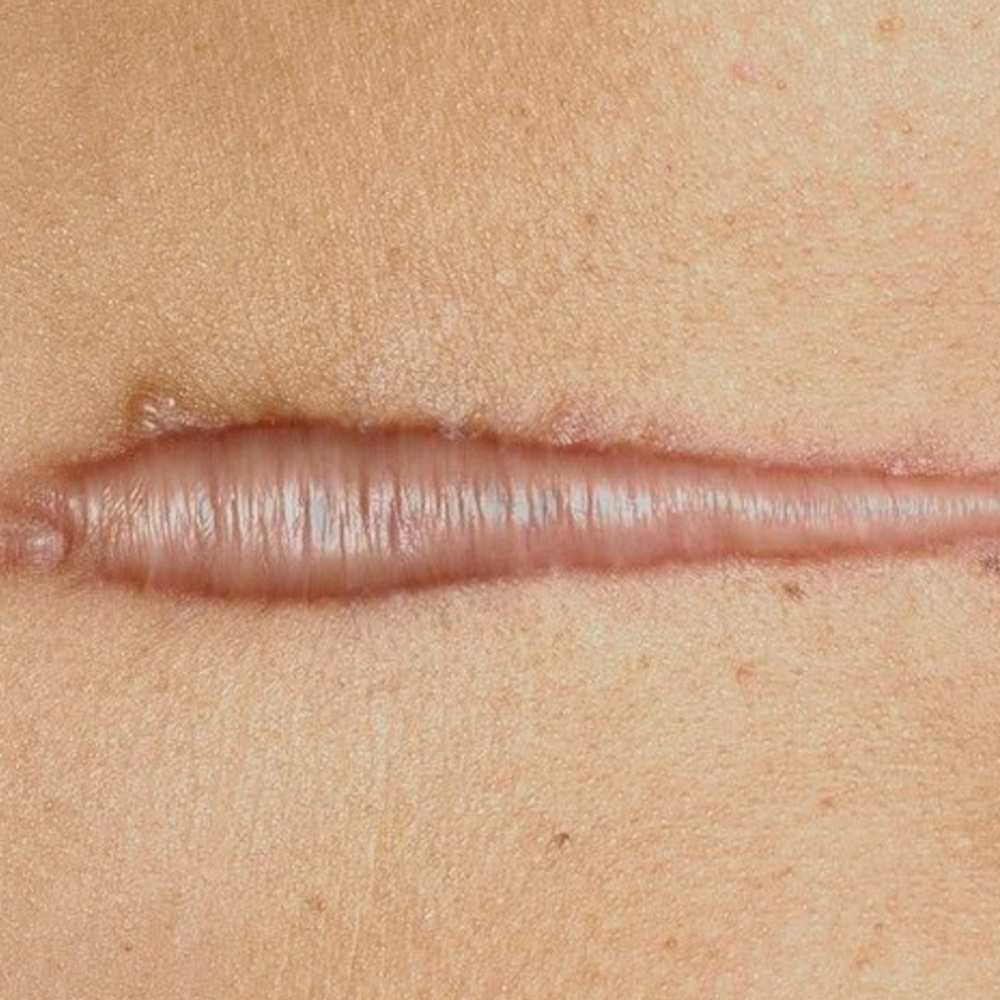
Understanding the type of scar you have is the first step toward choosing the most effective scar removal treatment and restoring smoother, healthier-looking skin.
Atrophic Scars: These appear as small depressions or sunken marks in the skin and are commonly caused by acne or chickenpox.
Hypertrophic Scars: These are raised scars that remain within the boundaries of the original wound and may gradually fade over time.
Keloid Scars: Unlike hypertrophic scars, keloids grow beyond the original injury site and may feel itchy, uncomfortable, or firm.
Contracture Scars: Often caused by burns, these scars tighten the skin and can sometimes restrict movement or cause discomfort.
Scars develop as part of the body’s natural healing process after the skin has been injured. When damage occurs, the body quickly produces collagen to repair and close the wound. The way this collagen forms — and how your body responds to the injury — determines how noticeable the scar will be. Several internal and external factors influence the final appearance of a scar.

Scars may result from acne, cuts, burns, surgery, infections, or trauma. Deeper or more severe skin damage often leads to more visible scarring.

Larger, deeper wounds and injuries in areas with high skin tension (like shoulders or chest) are more likely to form prominent scars.

Proper medical care, including stitches, bandaging, and aftercare, plays a major role in how well the skin heals and how minimal the scar appears.
Younger skin tends to produce more collagen, which may increase the chances of raised scars, while mature skin may heal more slowly but form flatter scars.

Your genetic makeup can influence how your skin heals. Some individuals are more prone to developing hypertrophic or keloid scars.
With advancements in modern dermatology, scar management has become more precise and effective than ever before. The key to successful scar treatment lies in accurate diagnosis, understanding the underlying cause, and choosing a personalised treatment approach suited to your skin type and scar condition.
Detailed Consultation: Begin with a consultation with an expert dermatologist at Wizderm, where your skin and scar type are carefully examined to understand the depth, texture, and severity of the concern.
Comprehensive Evaluation: You will be asked to share your medical history, lifestyle habits, and any underlying conditions so the doctor can assess contributing factors and rule out hormonal or health-related influences.
Personalised Treatment Plan: Based on the diagnosis, your dermatologist will recommend a customised treatment plan tailored to your skin type, scar type, and overall medical profile to ensure safe and effective results.
Early evaluation and the right treatment strategy can significantly improve skin texture and reduce the appearance of scars, helping you regain smoother, healthier-looking skin with confidence.
Scars begin forming as soon as the skin starts healing after an injury, but they usually settle and mature over a few months. While some scars fade naturally over time, others may become more prominent, textured, or pigmented. Seeking early professional guidance can significantly improve treatment outcomes and prevent scars from becoming deeper or more resistant to correction.
The scar is raised, sunken, or spreading beyond the original wound.
You notice persistent redness, pigmentation, or uneven skin texture months after healing.
The scar feels tight, uncomfortable, itchy, or painful.
Acne scars remain visible even after active acne has been controlled.
Home remedies and over-the-counter treatments have not shown improvement.
Early intervention with the right dermatological treatment can lead to faster, safer, and more effective scar reduction results.
Every scar is unique, and so is the treatment it requires. Our experienced dermatologists carefully assess your skin type, scar condition, and medical history to recommend a personalised treatment plan designed for safe and effective results. During your consultation, we also provide complete transparency about the number of sessions required and the exact cost of your customised scar removal package.
Book your Consultation Today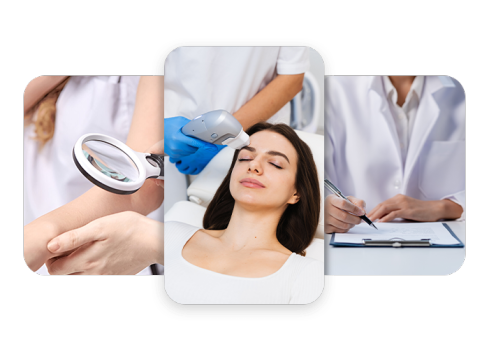
Scars are a natural part of your skin’s journey, but they don’t have to define your confidence. If they are affecting the way you feel about yourself, effective and advanced treatment options are available to help you improve their appearance. Take the first step toward smoother, healthier-looking skin. Schedule your consultation today and move closer to a more confident, scar-reduced future.
- Reviewed by

Dr. Mustaqeem Farooqui Consultant Dermatologist
Stay updated with expert tips, latest treatments, and exclusive offers. Subscribe to Wizderm's newsletter for healthy, glowing skin and hair!