





What Is Hyperpigmentation and How Can You Treat It Effectively?
Hyperpigmentation is a common skin condition that causes dark patches, uneven skin tone, or discoloration on the face and body. It occurs when excess melanin — the pigment responsible for skin colour — is produced in certain areas of the skin. Many people experience hyperpigmentation due to sun exposure, acne scars, hormonal changes (such as melasma), ageing, or inflammation. Whether it appears as dark spots on the face, post-acne marks, tanning, or stubborn pigmentation patches, this concern can affect all skin types and tones. While hyperpigmentation is usually harmless, it can impact confidence and overall skin appearance. The good news is that modern dermatology offers advanced and effective hyperpigmentation treatments, including chemical peels, laser therapy, MNRF, topical depigmenting creams, and customised skincare solutions. With early diagnosis and a personalised treatment plan, you can safely reduce pigmentation, even out skin tone, and restore a brighter, clearer complexion.
Patients Treated
Browse our Before-and-After gallery to witness visible improvements achieved through advanced Wizderm hyperpigmentation treatments. See how we help reduce dark spots, even out skin tone, and restore brighter, healthier-looking skin — empowering you to feel confident in your natural glow.
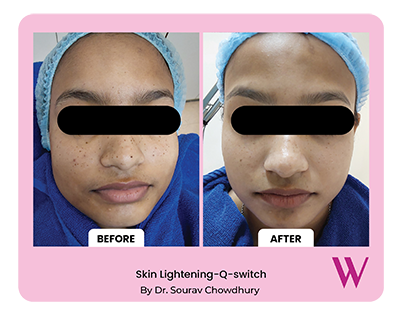
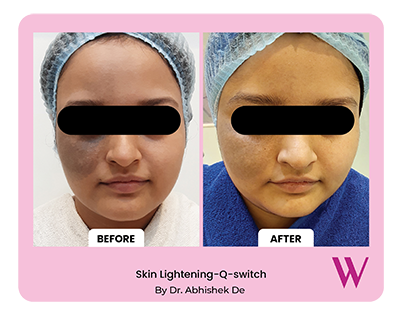
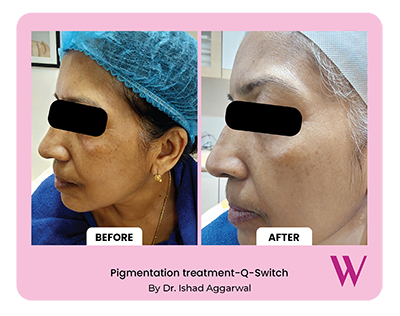
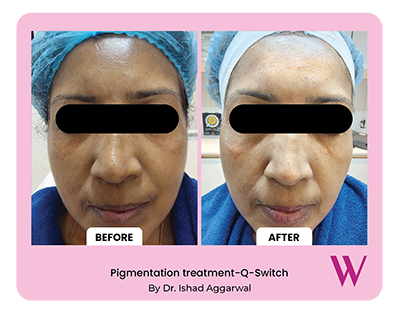
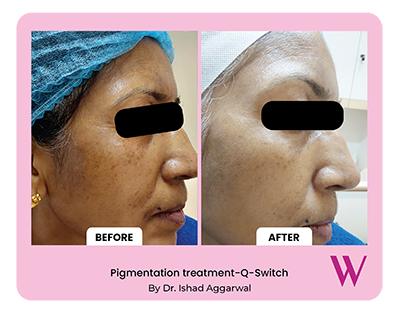
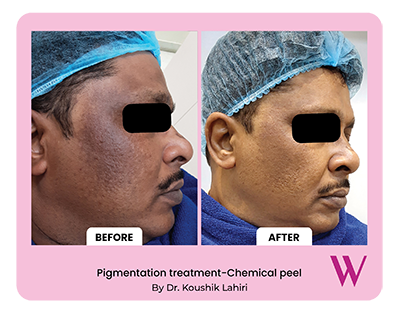
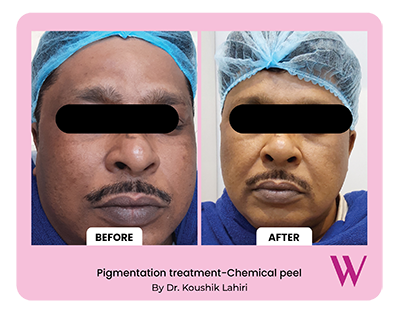
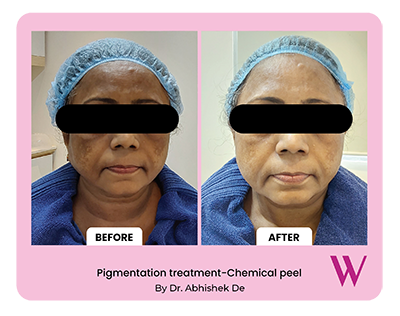
Hyperpigmentation is a common skin condition in which certain areas of the skin become darker than the surrounding skin. This occurs due to an excess production of melanin — the natural pigment produced by cells called melanocytes that determines your skin, hair, and eye colour. When melanin is overproduced or unevenly distributed, it can result in dark spots, patches, or uneven skin tone on the face and body. Hyperpigmentation can affect all skin types and tones and is often triggered by factors such as sun exposure, acne, inflammation, hormonal changes, or skin injuries. Although hyperpigmentation is usually harmless, it can be persistent and may worsen without proper sun protection and targeted treatment. Early diagnosis and dermatologist-recommended hyperpigmentation treatments can help restore a clearer, more even complexion.
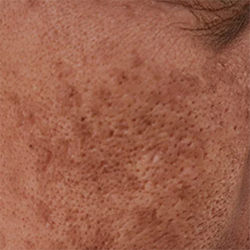
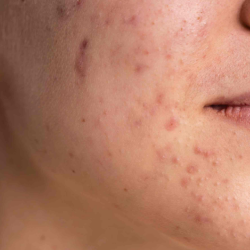
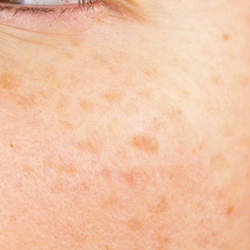

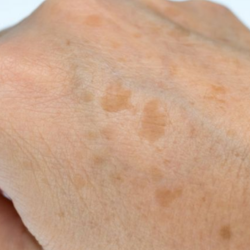
If you notice dark spots, uneven skin tone, or stubborn pigmentation patches that are not fading with home remedies, consulting a dermatologist can help determine the exact type of hyperpigmentation and recommend the most effective treatment plan for your skin.
Hyperpigmentation occurs when the skin produces excess melanin in certain areas, leading to dark patches, spots, or uneven skin tone. This overproduction is often triggered by internal or external factors that stimulate melanocytes (pigment-producing cells). Understanding the root cause of hyperpigmentation is essential for choosing the right treatment and preventing recurrence.

Prolonged exposure to ultraviolet (UV) rays stimulates melanin production as a protective response. Over time, this can lead to sunspots, age spots (solar lentigines), and uneven pigmentation on the face and body.

Hormonal fluctuations during pregnancy, birth control use, or hormone therapy can trigger melasma — a common type of hyperpigmentation that appears as symmetrical dark patches, usually on the cheeks, forehead, and upper lip.

Skin inflammation caused by acne, injuries, burns, rashes, or cosmetic procedures can leave behind dark marks after the skin heals. This is especially common in acne-prone and darker skin tones.

Some individuals are naturally more prone to pigmentation concerns due to hereditary factors. If pigmentation runs in your family, you may be more likely to develop dark spots or uneven skin tone.
If you are dealing with persistent dark spots, melasma, acne marks, or uneven skin tone, consulting a qualified dermatologist is the safest and most effective way to diagnose and treat hyperpigmentation. Professional evaluation helps determine the exact type of pigmentation, its depth (epidermal or dermal), and the underlying trigger. Based on this assessment, a customised skin pigmentation treatment plan can be created to deliver visible and long-lasting results.
Dermatologist Consultation: During your consultation at Wizderm, an expert dermatologist performs a detailed skin examination to assess the type, depth, and severity of your hyperpigmentation. This helps identify whether you are experiencing melasma, post-inflammatory hyperpigmentation (PIH), sunspots, or another form of pigmentation.
Detailed Skin Evaluation: Your medical history, lifestyle habits, sun exposure patterns, hormonal factors, and skincare routine are reviewed. This step helps determine your skin type and identify internal or external triggers contributing to facial pigmentation.
Personalised Treatment Plan: Based on the diagnosis, the dermatologist recommends a customised hyperpigmentation treatment plan. This may include chemical peels, laser pigmentation removal, MNRF, topical depigmenting creams, oral medications, or a combination approach tailored to your skin type and severity of pigmentation.
Early diagnosis and targeted treatment are key to effectively reducing hyperpigmentation and preventing recurrence. With the right dermatologist-guided approach, you can achieve a brighter, clearer, and more even-toned complexion safely and effectively.

While mild pigmentation may fade with proper skincare and sun protection, certain types of hyperpigmentation require professional evaluation and treatment. If dark spots, melasma, or acne marks are persistent, worsening, or affecting your confidence, it is important to consult a dermatologist. Early intervention not only improves results but also prevents pigmentation from becoming deeper and more difficult to treat.
Your dark spots are not fading despite using over-the-counter creams and home remedies for several weeks or months.
You notice symmetrical brown or greyish patches on your cheeks, forehead, or upper lip, which may indicate melasma.
Your acne marks or post-inflammatory hyperpigmentation are becoming darker instead of gradually lightening.
Pigmentation keeps recurring even after temporary improvement.
You experience sudden or unusual skin discoloration that needs medical evaluation.
Professional skin pigmentation treatment ensures accurate diagnosis and a customised plan tailored to your skin type and concern. With advanced dermatological procedures and expert guidance, you can safely reduce hyperpigmentation and restore a clearer, more even skin tone.
Get in touch with our experienced dermatologists to understand the most effective hyperpigmentation treatment options for your skin type. Receive a detailed skin assessment and learn the exact cost of personalised pigmentation treatment packages designed to reduce dark spots, melasma, acne marks, and uneven skin tone. Take the first step toward clearer, brighter skin — book your hyperpigmentation consultation today.
Book Your Appointments Now!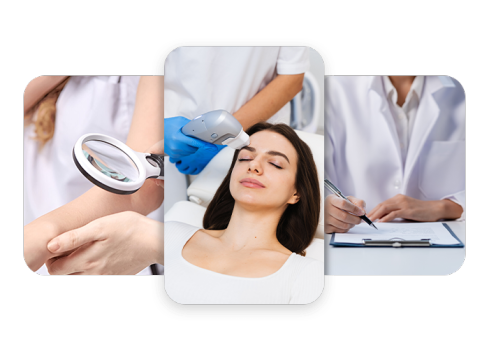
Hyperpigmentation may be a common skin concern, but it is highly treatable with the right diagnosis and personalised care. Whether your dark spots are caused by sun exposure, acne scars, melasma, or hormonal changes, modern dermatological treatments can effectively reduce pigmentation and restore an even skin tone. Early intervention, proper sun protection, and a customised skin pigmentation treatment plan are key to achieving long-lasting, visible results. You don’t have to live with stubborn dark patches or uneven skin. Take control of your skin health today — schedule a consultation and begin your journey toward clearer, brighter, and more radiant skin.
- Reviewed by

Dr. Soumya Kanti Datta Consultant Dermatologist
Stay updated with expert tips, latest treatments, and exclusive offers. Subscribe to Wizderm's newsletter for healthy, glowing skin and hair!