





Discover the Causes, Impact, and Treatment Options for This Autoimmune Hair Disorder
Hair is not just a feature; it’s a reflection of confidence and self-esteem. Experiencing sudden or patchy hair loss can be emotionally challenging, and alopecia areata is one of the most common causes of this condition. This autoimmune disorder occurs when the body’s immune system mistakenly attacks hair follicles, interrupting the natural hair growth cycle and resulting in patchy or complete hair loss. Alopecia areata can affect anyone, regardless of age or gender, and the severity varies from person to person. Understanding the causes, symptoms, and treatment options is the first step toward regaining healthy hair and restoring confidence.
Patients Treated
Explore our Before-After gallery showcasing real results from alopecia areata treatments at Wizderm. See how we help restore hair, confidence, and a renewed sense of self!
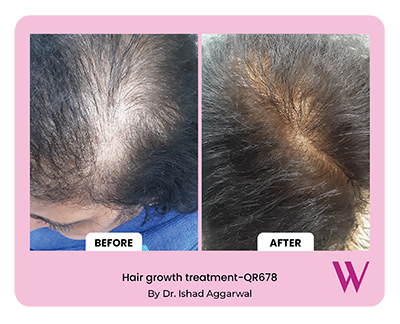
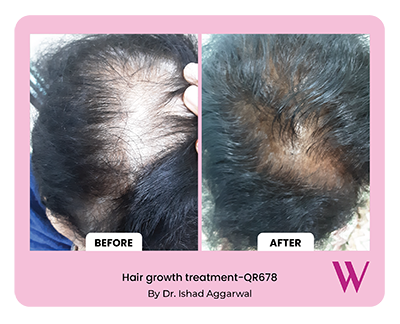
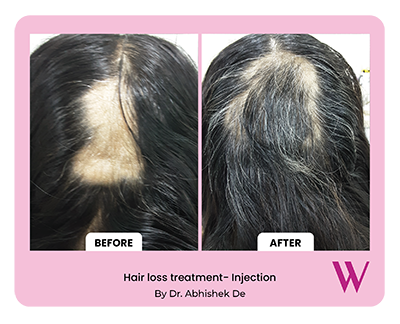
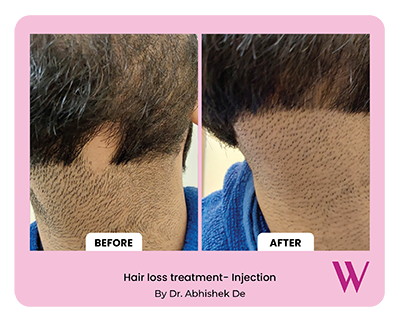
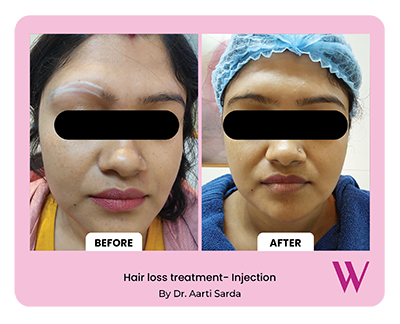
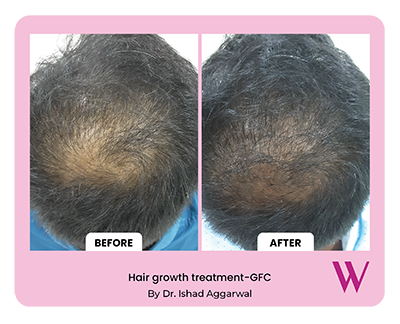
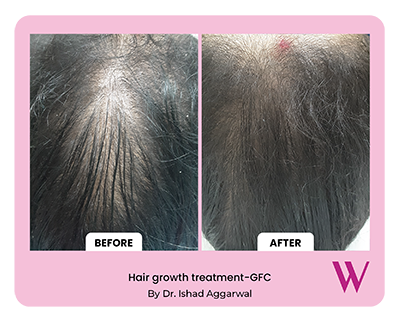
Alopecia Areata is a chronic autoimmune condition that leads to sudden and severe hair loss. The immune system mistakenly attacks hair follicles, causing hair thinning or complete bald patches. This hair loss can affect the scalp, eyebrows, eyelashes, beard, or even the entire body. Hair may regrow over time, often appearing thinner or lighter at first.
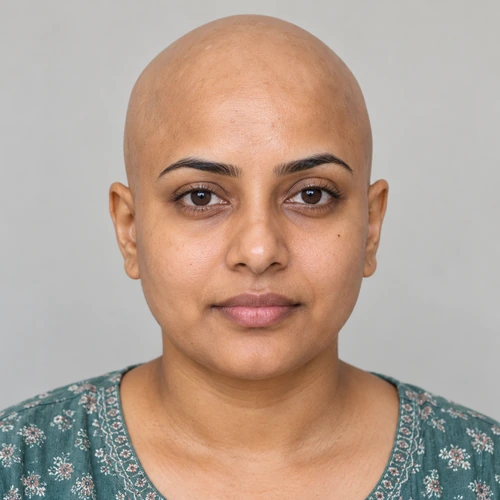
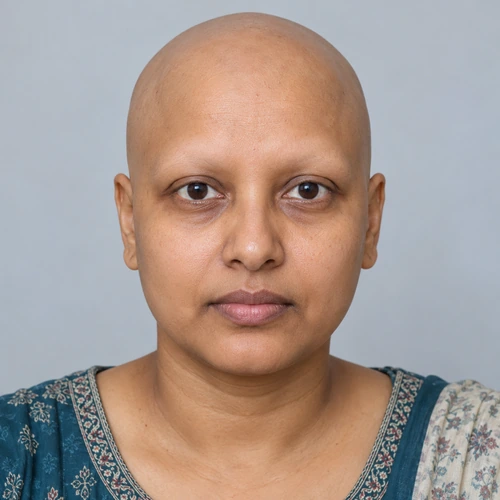
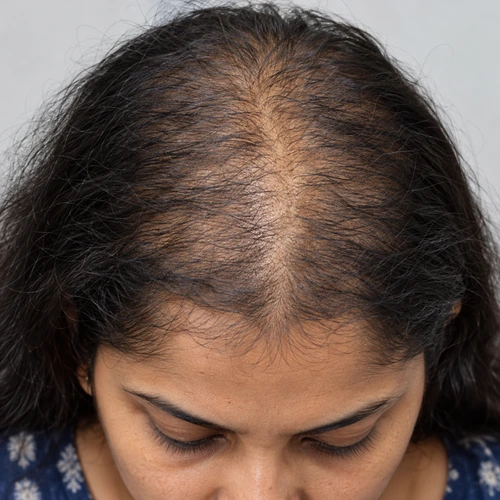
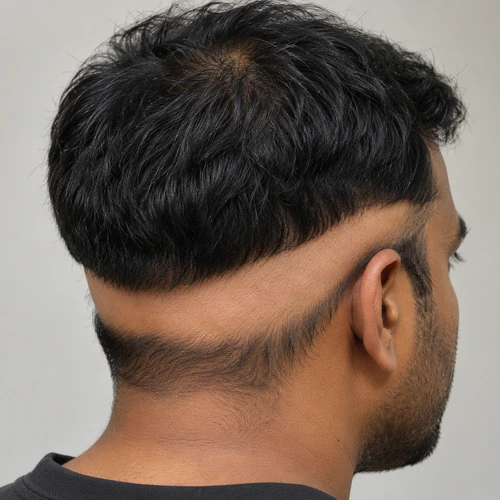
Alopecia Areata Totalis: Complete hair loss on the scalp.
Alopecia Areata Universalis: Total hair loss on the scalp and body.
Diffuse Alopecia Areata: Overall thinning of hair rather than patchy loss.
Ophiasis Alopecia Areata: Hair loss along the lower back and sides of the scalp.
Understanding the type and extent of alopecia areata is the first step toward effective treatment and hair regrowth. Early consultation with a dermatologist can help manage the condition better.
Alopecia Areata is a multifaceted hair loss condition, and while the precise cause remains unknown, researchers have identified several key factors that contribute to its development. It is primarily considered an autoimmune disorder, where the body’s immune system mistakenly targets hair follicles as if they were foreign invaders. This leads to sudden, patchy hair loss that can affect the scalp, eyebrows, eyelashes, and even the entire body in severe cases. Other contributing factors include genetic predisposition, stress, environmental influences, and hormonal changes. A family history of autoimmune disorders is present in 10–15% of cases, highlighting the role of heredity. Emotional or physical stress can exacerbate hair fall, while infections, allergens, or environmental triggers may also initiate flare-ups. Hormonal fluctuations, especially during periods of change such as pregnancy, thyroid imbalance, or puberty, can further impact hair follicle health and the hair growth cycle. Understanding these factors is crucial for managing alopecia areata effectively. By identifying potential triggers and combining professional treatments with lifestyle adjustments, patients can improve hair regrowth outcomes and maintain healthier scalp and hair.
A hereditary component makes some individuals more susceptible.
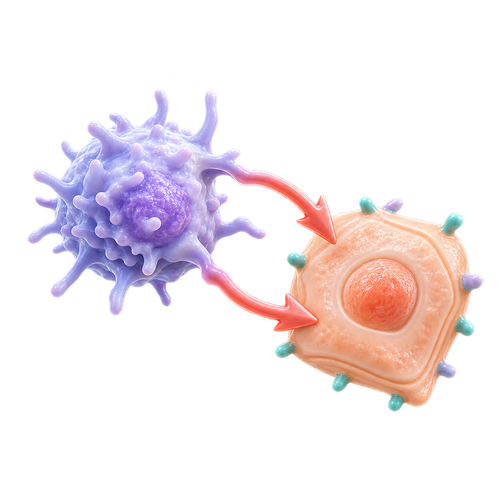
The immune system attacks healthy hair follicles.

Physical or emotional stress can worsen hair loss.

Infections, allergens, or environmental stressors can act as triggers.

Shifts in hormone levels may interfere with the hair growth cycle.
Alopecia Areata is unpredictable, and hair loss can progress rapidly if left unmanaged. Early intervention is key to preventing further thinning or bald patches. Consulting a dermatologist is the most effective way to understand the condition, identify triggers, and create a personalized treatment plan tailored to your hair and scalp health.
Consultation: Schedule a visit with a dermatologist at Wizderm. Our experienced specialists will carefully examine your scalp, hair follicles, and overall skin health to assess the severity and pattern of hair loss.
Evaluation: Share your medical history, lifestyle habits, and any underlying health conditions. This helps the doctor identify contributing factors like hormonal imbalances, autoimmune triggers, or nutritional deficiencies.
Treatment: Based on your evaluation, the dermatologist will design a customized treatment plan. This may include topical therapies, oral medications, immunomodulators, or advanced procedures to promote hair regrowth and maintain scalp health.
With the right diagnosis and targeted treatment, hair regrowth is achievable, and progression can be managed effectively. Early consultation with a dermatologist ensures a tailored approach, maximizing your chances of restoring hair and confidence.
Early detection and intervention are key to managing alopecia areata effectively. If you notice unusual hair loss, bald patches, or thinning in specific areas, consulting a dermatologist promptly can help identify the underlying causes and prevent further progression. Timely treatment can improve hair regrowth outcomes and reduce emotional stress associated with hair loss.
Persistent hairfall that doesn’t improve over time.
Appearance of small, round bald patches on the scalp, eyebrows, or other areas.
Thinning hair that spreads rapidly across the scalp or body.
Sudden changes in hair texture or color during regrowth.
Emotional distress or decreased confidence due to hair loss.
Early consultation ensures a personalized treatment plan that targets your unique hair loss pattern, maximizes regrowth potential, and helps you regain confidence. Don’t wait—addressing alopecia areata early can make a significant difference.
Take the first step toward healthier, stronger hair by consulting our dermatologists. Discover personalized treatment plans and packages designed specifically for managing alopecia areata, tailored to your unique hair loss pattern and scalp condition. Our experts guide you through the most effective solutions to restore hair growth and confidence.
Book Your Consultation Now
Hair loss can be challenging, but you don’t have to face it alone. With modern dermatological treatments and expert care, restoring healthy hair and boosting your confidence is entirely possible. Don’t wait—take the first step toward fuller, stronger hair by booking your appointment today!
- Reviewed by

Dr. Debaleena Ghosh Consultant Dermatologist
Subscribe to receive the latest updates, exclusive offers, and expert tips directly to your inbox.
Stay updated with expert tips, latest treatments, and exclusive offers. Subscribe to Wizderm's newsletter for healthy, glowing skin and hair!