





Understand how bacterial infections affect your skin and learn the right steps to diagnose, manage, and prevent them safely.
Your skin acts as a protective shield, but sometimes harmful bacteria manage to break through and cause infection. From redness, itching, and swelling to painful pus-filled bumps, bacterial skin infections can appear suddenly and worsen if ignored. They are common, contagious in certain cases, and may develop due to cuts, excessive sweating, weak immunity, or improper hygiene. The good news is that with timely diagnosis and proper dermatological care, these infections can be treated effectively. In this guide, we will explore what bacterial skin infections are, why they occur, and the most reliable ways to treat and prevent them.
Patients Treated
Bacterial skin infections occur when harmful bacteria penetrate the skin’s natural protective barrier and trigger inflammation, redness, pain, or pus formation. They are commonly caused by staphylococcus bacteria that normally live harmlessly on the skin but can create problems when they enter through cuts, wounds, or weakened skin. These infections can range from mild surface conditions to deeper tissue involvement and may spread through direct contact with infected skin, shared personal items, or contaminated surfaces.
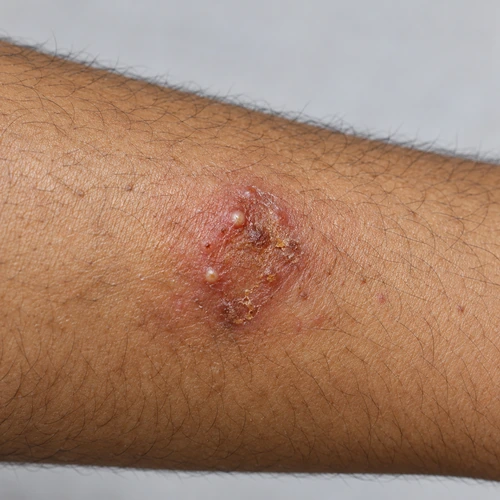
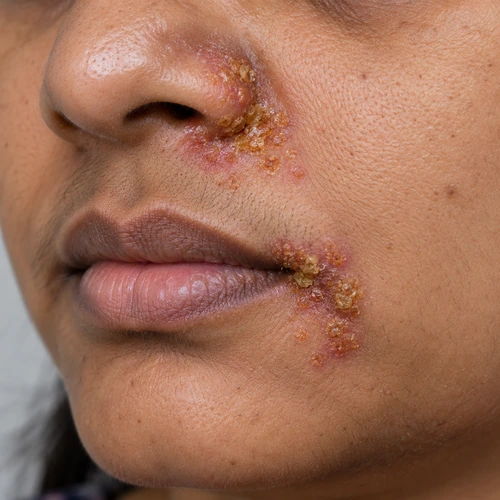
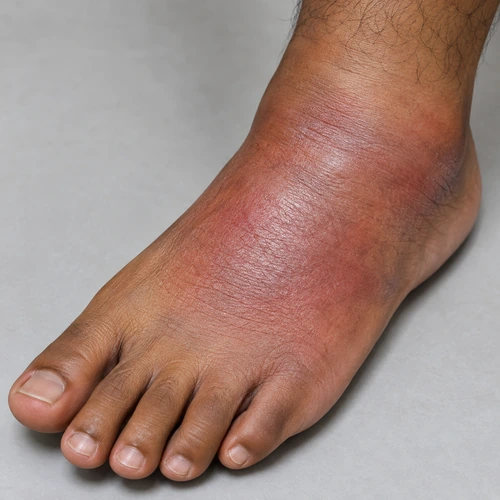
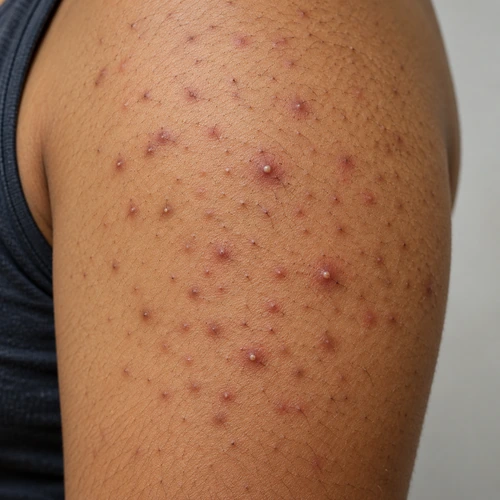
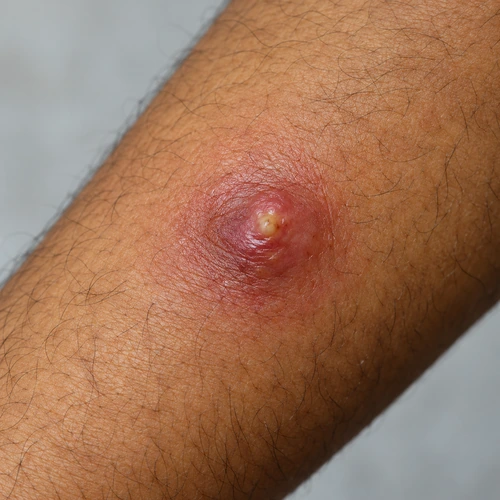
Early recognition and proper treatment are essential to prevent complications, control the spread of infection, and restore healthy, irritation-free skin.
Bacterial skin infections usually occur when harmful microorganisms take advantage of weakened skin defenses. While bacteria may normally exist harmlessly on the skin, certain conditions make it easier for them to multiply and invade deeper layers, leading to redness, swelling, pain, and pus formation. Understanding these triggers can help in prevention and early care.

Cuts, scrapes, insect bites, burns, or cracked skin create direct entry points for bacteria.
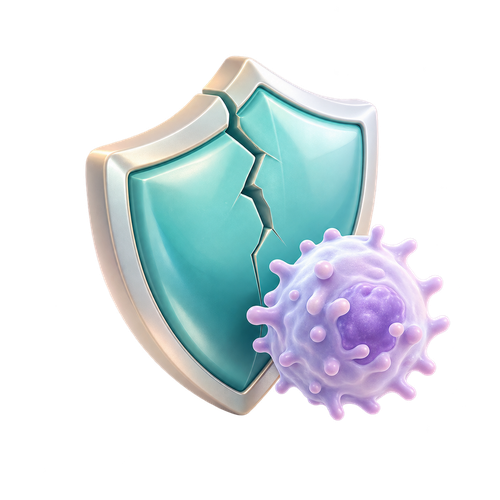
Conditions such as diabetes, chronic illness, or immune-suppressing medications reduce the body’s ability to fight infection.
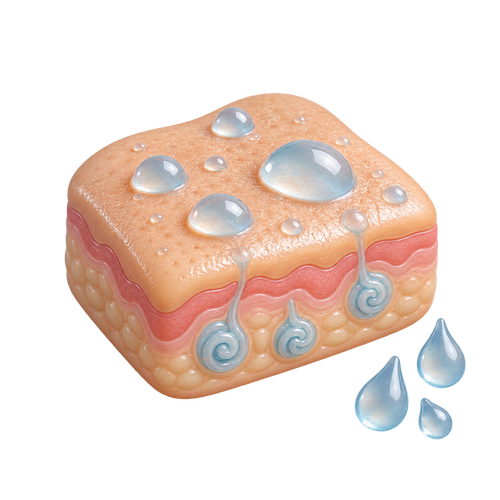
Excess sweating, tight clothing, and prolonged dampness allow bacteria to grow rapidly.

Infrequent washing, touching infected areas, or sharing towels and personal items increases contamination risk.
If you notice worsening redness, swelling, pain, pus formation, or rapidly spreading rashes, it is important to consult a dermatologist promptly. Early diagnosis helps prevent the infection from spreading deeper into the skin or bloodstream. A professional evaluation ensures that the bacterial skin infection treatment is targeted, effective, and suited to your skin type and severity of the condition.
Consultation: A dermatologist performs a detailed physical examination of the affected area to assess signs of infection such as inflammation, warmth, tenderness, and discharge.
Evaluation: Your medical history, lifestyle habits, recent injuries, underlying health conditions, and immune status are reviewed to determine the root cause and risk factors.
Treatment Plan: Based on the severity, treatment may include topical or oral antibiotics, antibacterial creams, drainage (if required), and personalized skincare guidance to promote healing and prevent recurrence.
Timely medical treatment not only clears the infection faster but also reduces the risk of scarring, complications, and reinfection — helping you regain healthy, clear skin safely.

Bacterial skin infections can worsen quickly if ignored. While some mild infections may seem harmless at first, they can spread deeper into the skin and lead to complications. Seeking timely dermatological care ensures proper diagnosis and prevents the infection from becoming severe.
If the affected area keeps expanding or becomes warm and tender.
If the infection becomes painful, swollen, or difficult to touch.
If you notice yellow fluid, crusting, or foul-smelling drainage.
If you develop fever, chills, or feel unwell along with the skin infection.
If the condition does not improve within a few days or worsens despite home care.
Early medical treatment helps stop the infection from spreading, speeds healing, and protects your skin from permanent damage or complications.
Don’t let redness, swelling, or recurring infections disrupt your skin’s health. Connect with our experienced dermatologists to receive a thorough evaluation and a customized bacterial skin infection treatment plan. Get transparent pricing and expert guidance tailored specifically to your skin condition and its severity.
Book Your Consultation Now
It is crucial to seek medical attention if symptoms of a bacterial skin infection do not improve within a few days or begin to worsen. Increasing pain, swelling, spreading redness, warmth, or pus formation are warning signs that the infection may be progressing. Prompt consultation with a dermatologist ensures early intervention, prevents complications, and promotes faster, safer healing.
- Reviewed by

Dr. Shreya Poddar Consultant Dermatologist
Subscribe to receive the latest updates, exclusive offers, and expert tips directly to your inbox.
Stay updated with expert tips, latest treatments, and exclusive offers. Subscribe to Wizderm's newsletter for healthy, glowing skin and hair!