Book an appointment with expert dermatologists for personalized skin and hair care. Get the best treatments tailored to your needs, right in your city!
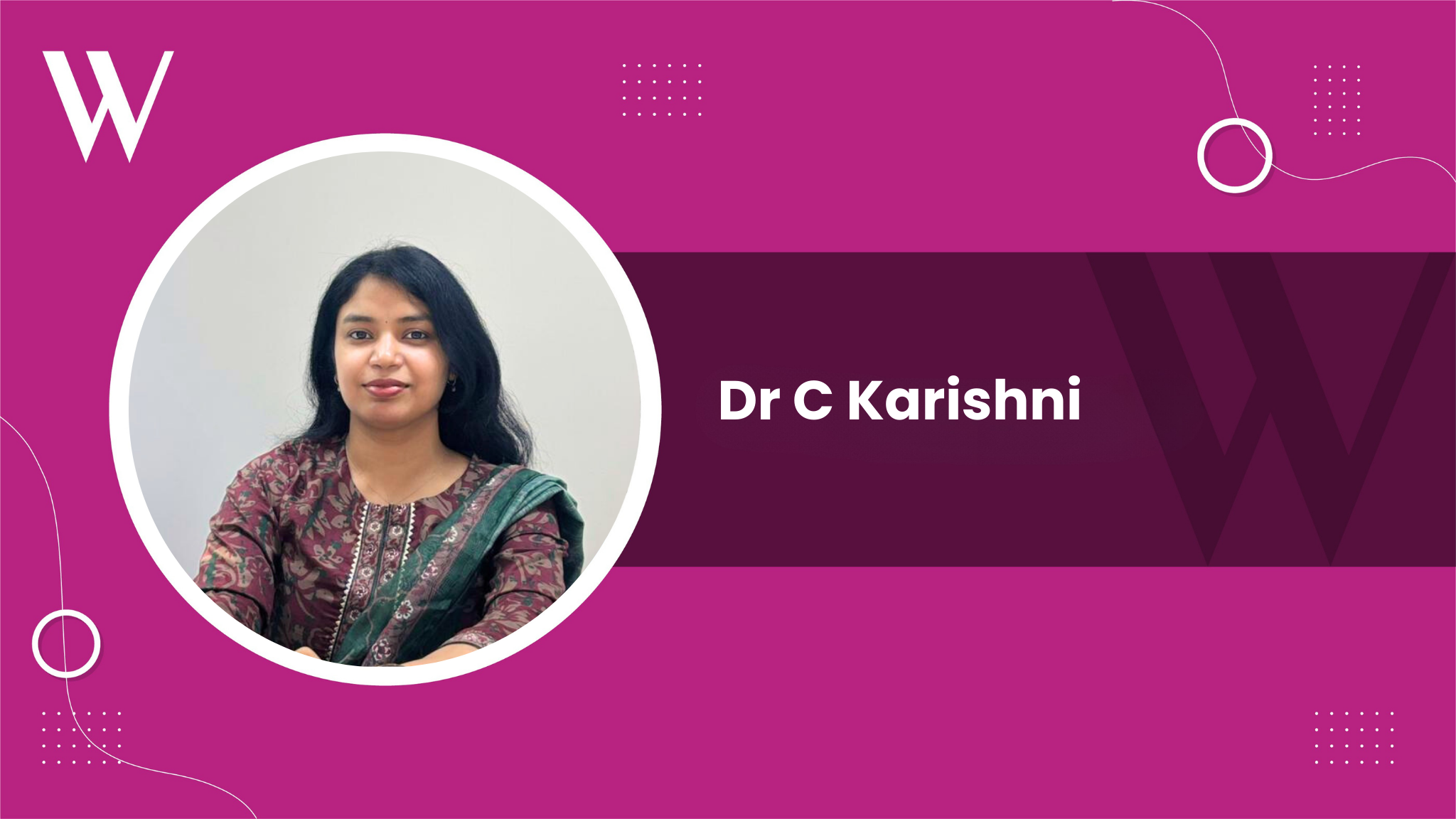
Consultant Dermatologist
MBBS, MD (Gold Medallist), DNB
Mondays - Fridays: 04:00 pm - 06:00 pm
Saturdays: By Appointment
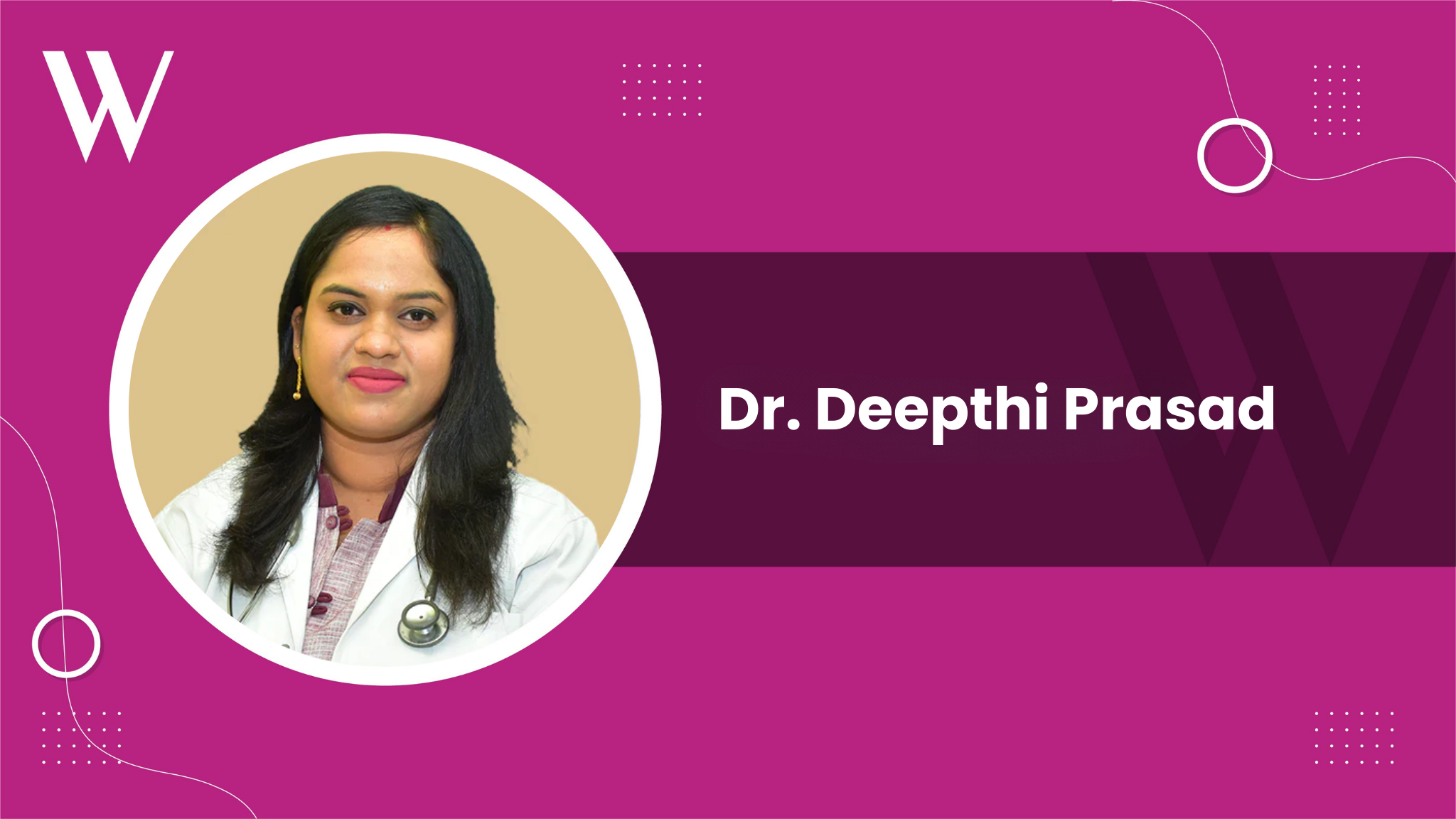
Consultant Dermatologist
By Appointment

Consultant Dermatologist
MBBS, MD DVL (OSMANIA)
Sundays: 10:00 am - 02:00 pm
Consultant Dermatologist
Consultant Dermatologist
TUESDAY AND THURSDAY : 04:00 TO 06:00 PM
Consultant Dermatologist
MD DVL, MBBS
Mondays & Thursdays: 10.30 am - 11.30 am
Our innovations prioritize affordable, improved healthcare, inspired by the needs of our doctors and patients.
Happy Patient
Expert Dermatologist
Clinics in India
Patient Satisfaction
What does a Dermatologist do?
A dermatologist is a medical skin specialist trained to diagnose and treat skin, hair, nail, and mucous membrane disorders. Dermatologists manage both medical dermatology (e.g., acne, psoriasis, eczema, vitiligo, fungal infections, hair loss) and cosmetic dermatology (e.g., anti-aging, pigmentation, chemical peels, laser treatments, Botox, fillers). After completing MBBS, a dermatologist undergoes advanced specialization in Dermatology, Venereology & Leprosy (MD DVL/MD Dermatology), gaining expertise in diagnosing diseases, performing procedures, and managing long-term skin and hair conditions.
Different types of dermatologists focus on specific areas of skin, hair, and nail health. Choosing the right specialist helps manage concerns like acne, pigmentation, psoriasis, eczema, hair loss, premature ageing, and more. Below are the key types of dermatologists patients commonly search for.
Experts in treating children’s skin and hair issues like acne, rashes, vitiligo, and birthmarks.
Specialize in conditions linked to immune disorders, such as eczema, dermatitis, and autoimmune skin diseases.
Focus on the microscopic diagnosis of skin and hair diseases through laboratory investigations.
Perform aesthetic treatments like laser hair removal, acne scar correction, and anti- ageing procedures.
Dermatologists diagnose and treat a wide range of skin, hair, and nail conditions. Some of the most common concerns patients search for include acne, eczema, psoriasis, hair loss, dandruff, fungal infections, pigmentation, melasma, vitiligo, skin allergies, and premature ageing. A dermatologist provides accurate diagnosis, medical treatment, and targeted procedures to manage these conditions effectively..
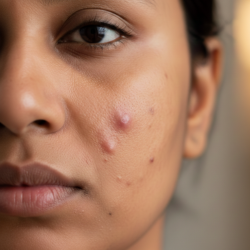
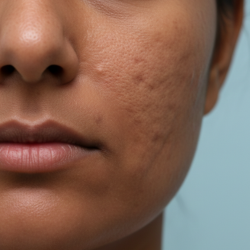
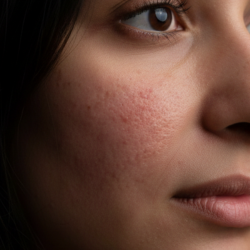
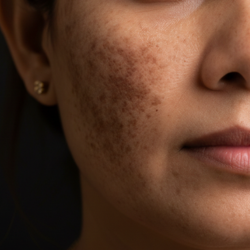
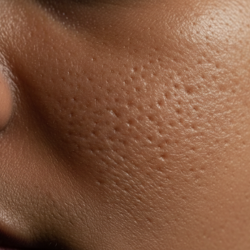
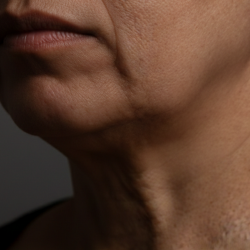
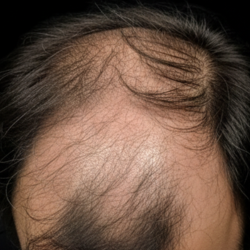
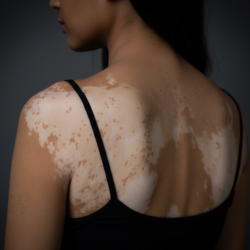
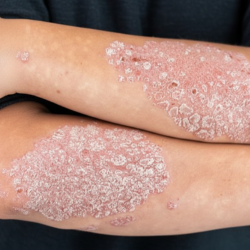
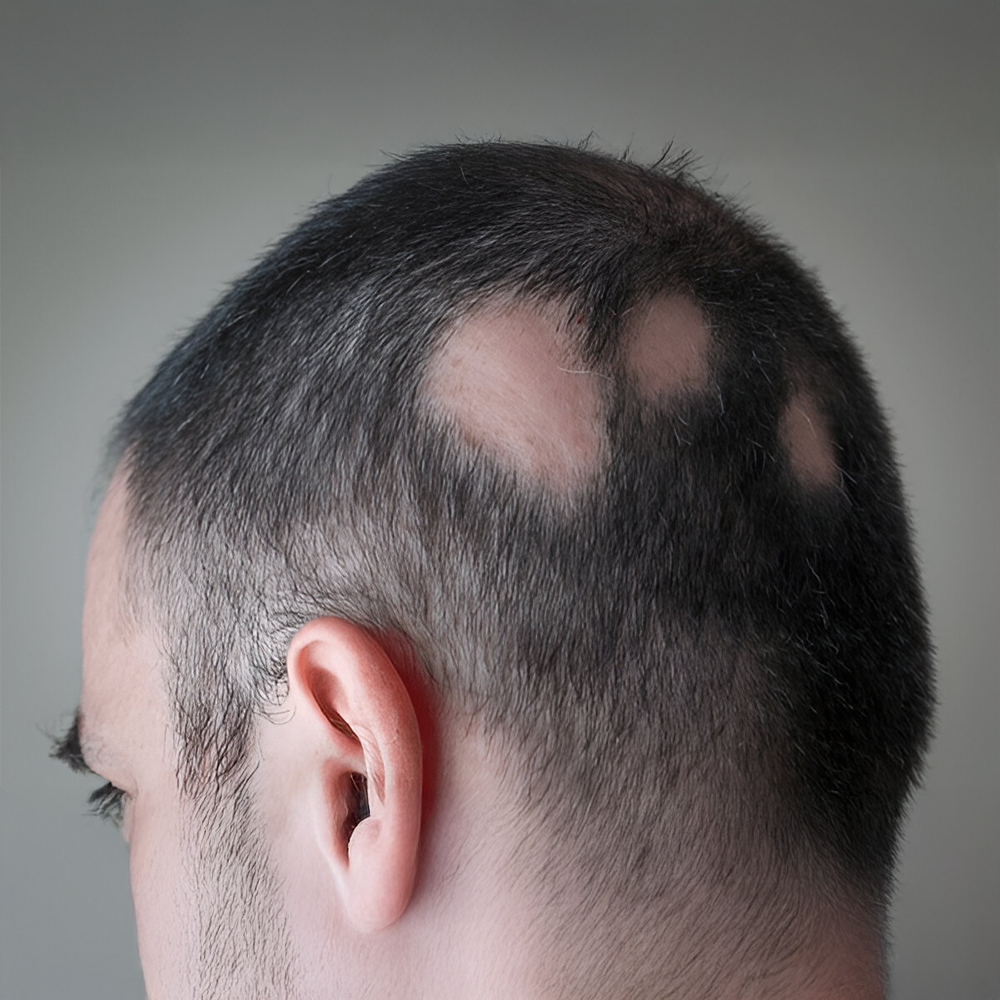
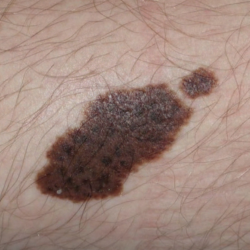
Dermatologists use multiple clinical and diagnostic methods to accurately assess skin, hair, and nail conditions. Common techniques include visual skin examination, dermoscopy, Wood’s lamp examination, skin biopsy, patch testing, and trichoscopy for hair and scalp analysis. These tests help diagnose concerns like acne, eczema, psoriasis, vitiligo, hair loss, fungal infections, and allergies with precision.
Dermatologists perform physical skin and scalp examinations to evaluate skin texture, lesions, rashes, pigmentation, moles, hair density, and scalp health. This helps in identifying conditions such as acne, eczema, psoriasis, vitiligo, hair loss, dandruff, fungal infections, and skin allergies before deciding on further tests or treatments.
Dermatologists use trichoscopy (trichoscan analysis) to examine the scalp, hair density, hair shaft quality, and follicular health. This diagnostic method helps identify hair loss patterns, alopecia, dandruff, seborrheic dermatitis, and other scalp disorders, allowing the doctor to plan targeted hair loss treatments and scalp therapies.
Dermatologists perform skin biopsies to examine tissue samples and confirm or rule out conditions such as skin cancer, chronic inflammatory diseases, autoimmune disorders, and persistent rashes. This diagnostic method helps differentiate between benign and malignant lesions and ensures accurate, evidence-based treatment.
Dermatologists may order blood tests to identify hormonal imbalances, thyroid disorders, autoimmune markers, or nutritional deficiencies that contribute to hair loss, acne, pigmentation, chronic rashes, and other skin or scalp conditions. These tests support accurate diagnosis and targeted treatment planning.
Chemical peels are dermatological treatments that exfoliate dead skin cells, improve skin texture, and rejuvenate the complexion using plant-based or medical-grade acids. They effectively address acne scars, pigmentation, dull skin, fine lines, and uneven skin tone, making them a popular choice for patients seeking glowing, healthy skin..
Laser treatments performed by dermatologists help correct uneven skin tone, reduce pigmentation, and stimulate collagen for firmer, youthful skin. They are also widely used for laser hair removal, effectively removing unwanted hair with long-lasting results. These procedures target acne scars, pigmentation, dull skin, fine lines, and other cosmetic skin concerns safely and precisely.
Body contouring procedures use advanced non-surgical technologies to tighten loose skin, and sculpt the body without surgery. Dermatologists perform these treatments to help patients achieve a slimmer, toned appearance safely. Popular solutions target love handles, abdomen, thighs, stretch marks, double chin, and other areas resistant to diet and exercise.
Injectable treatments such as Botox and dermal fillers help minimize wrinkles, fine lines, and sagging, while enhancing facial contours and features. Dermatologists use these non-surgical cosmetic procedures to restore youthful appearance, improve skin texture, and address concerns like crow’s feet, forehead lines, smile lines, and volume loss safely and effectively.
Visit a Dermatologist If You Experience:
If you notice persistent skin, hair, or nail issues, it’s important to consult a qualified dermatologist promptly. Regular dermatology checkups help detect underlying conditions early, allowing for effective treatment and long-term skin, hair, and nail health.
Stay updated with expert tips, latest treatments, and exclusive offers. Subscribe to Wizderm's newsletter for healthy, glowing skin and hair!