In this Article
Clinically Proven Acne Scar Removal Treatments That Work
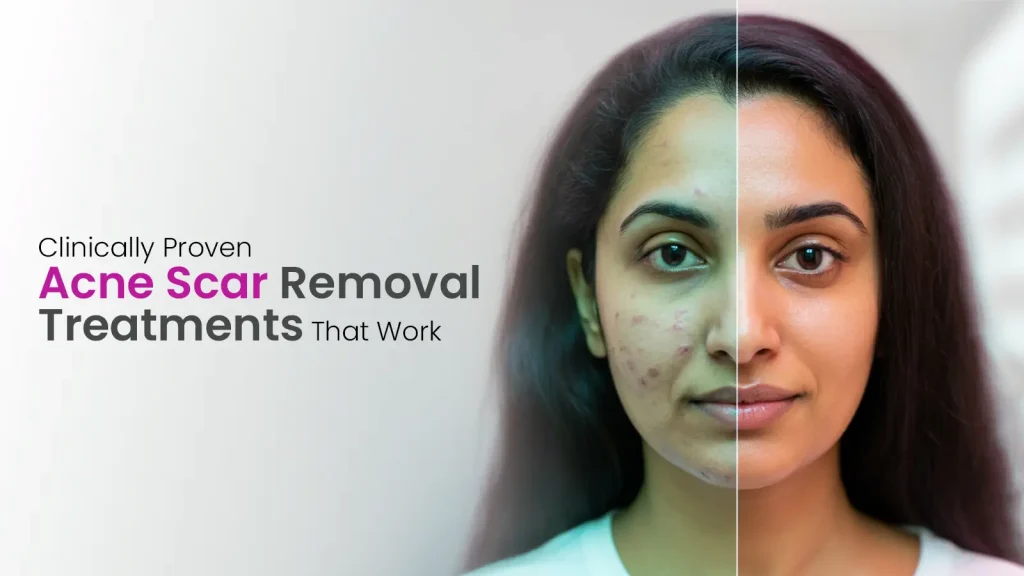
Breakouts are frustrating, but it’s the post-acne aftermath that truly lingers. Even after the pimples fade, you may still be dealing with uneven texture, dark marks, and the bigger question: what actually works for acne scar removal?
While makeup and filters offer a quick cover-up, dermatology offers something better: clinically proven acne scar treatments that rebuild the skin where scars form. With the right diagnosis and a personalised plan, smoother, more confident skin is absolutely possible. Let’s take a closer look at how.
Types of Acne Scars
Ever tried unlocking a lock without knowing which key fits? That is exactly what happens when you try treatments for removing acne scars without knowing what kind of acne scar you are dealing with. Dermatologists know that accurate diagnosis is half the cure, because how to treat acne scars depends entirely on the types of scars you have.
Here’s the breakdown of the most common types of acne scars, and how each one responds to specific treatments.
Ice Pick Acne Scars
Ice pick scars are deep, narrow, V-shaped scars that seem like someone poked your skin with a needle. It is caused by severe cystic acne that destroys collagen and leaves behind pits.
These are the toughest to treat and rarely respond to topical acne scar treatment products alone. You’ll likely need in-clinic interventions for visible improvement
Boxcar Acne Scars
Boxcar scars are broad, U-shaped scars with sharply defined edges, creating a pitted look. These are caused by inflammatory acne that damages collagen, leaving behind shallow to moderate depressions on the skin.
These scars are commonly found on the cheeks and temples, and often become noticeable under certain lighting.
These kinds of acne scars can be treated with fractional lasers, microneedling, and dermal fillers to improve their depth and overall appearance.
Rolling Acne Scars
Rolling scars look like wide, shallow depressions with smooth, wave-like edges; think of them as gentle dips across the skin. These scars occur due to damage to subcutaneous tissue that creates fibrous bands pulling down the skin.
These are treated with the help of subcision to release the tethered skin, Microneedling, a combination of laser resurfacing, and acne scar treatment at home.
Hypertrophic and Keloid Acne Scars
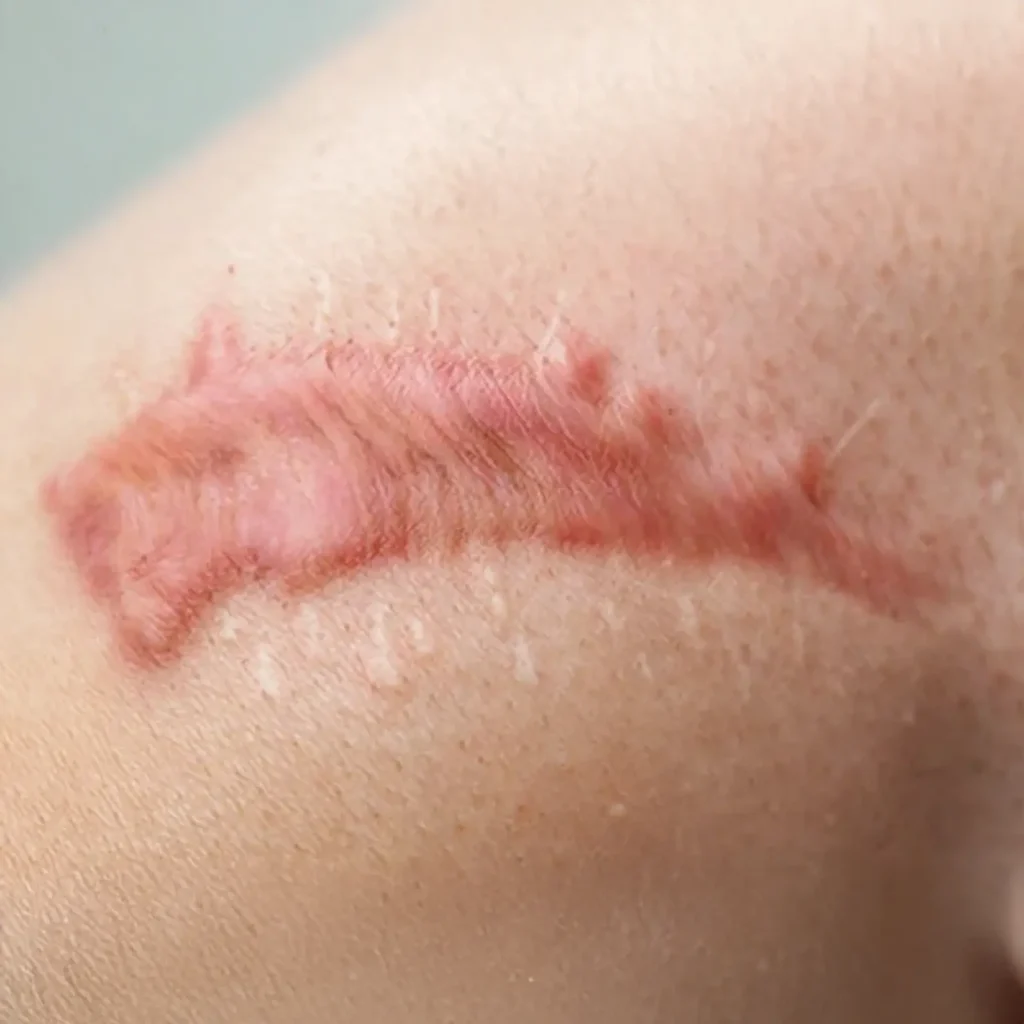
Hypertrophic and keloid scars are raised, thick, rubbery areas of scar tissue that form when the skin produces too much collagen during healing.
Unlike hypertrophic scars, which stay within the original wound boundary, keloids can grow beyond the initial acne lesion and continue expanding over time.
They may appear pink, red, or deep brown, and can feel firm, itchy, or even tender. These scars are more common in darker skin tones, those with a family history of keloids, and individuals prone to inflammatory ac
What Makes Acne Scar Removal Treatment Dermatologically Approved?
When we say “dermatologically approved,” we’re not tossing around fancy jargon. What it really means is this: the treatments you use are clinically backed, tested for safety, and designed to create real change, not temporary brightness or optical tricks that fade in a few days.
If you’ve been struggling with acne scars, here’s what truly dermatology-approved care means for you:
Scientifically Proven Ingredients and Techniques
Dermatologists don’t rely on trends; they rely on evidence. Whether it’s laser skin resurfacing or prescription topicals, every recommendation is rooted in clinical research.
For example, fractional CO₂ laser treatments can reduce atrophic acne scars by 60–80% in just 3–5 sessions. That’s not an estimation; it is a documented, repeatable improvement.
On the topical side, your dermatologist may recommend proven actives like:
- Retinoids – boost cell turnover
- Azelaic Acid – fades pigment and smoothens skin
- Niacinamide – strengthens your barrier and reduces spots
And if you’re using acne scar removal creams or face washes, they’ll ensure the actives are in the right concentration and formulation so you get real results, not irritation.
Treatments Personalised For Your Scar Type and Skin Tone
There’s no universal fix for acne scars. That’s why dermatology always starts with your skin.
Depending on your scar type, your plan may look different:
- Boxcar scars: Fractional lasers or microneedling work best
- Ice-pick scars: TCA Cross (Trichloroacetic Acid Chemical Reconstruction Of Skin Scars) is often the gold standard
- Post-acne pigmentation: Vitamin C or Glycolic Acid formulas help brighten safely
Your skin tone also influences your treatment path. For deeper skin tones, certain lasers can be risky, so dermatologists may choose safer options like Radiofrequency with Microneedling (MNRF), effective but gentler
Safe and Regulated Procedures
Dermatologically approved means no DIY acid peels, no unregulated serums.
Every step, from the strength of a chemical peel to the depth of microneedling, is controlled by trained experts who understand your skin barrier, healing time, and long-term safety.
You get treatments that work without compromising your skin.
Ongoing Monitoring and Support
You’re never left alone to “figure it out.” Dermatologists adjust your plan as your skin changes. You might follow a blended routine, clinic sessions plus a simple at-home regimen, to steadily improve your scars.
Your progress is tracked. Your reactions are monitored. Your results are protected.
Dermatologist-Approved In-Clinic Acne Scar Removal Treatments
When it comes to acne scar removal, in-clinic treatments aren’t just effective—they’re elite. Think of them as the haute couture of scar repair: tailored, high-performance, and backed by dermatological science. These aren’t your DIY scrubs or over-the-counter wishful thinking—these are the gold standard solutions prescribed by skin experts who know their lasers from their lotions.
Here’s what’s dominating the dermatologist offices in 2025 and why they’re worth every session
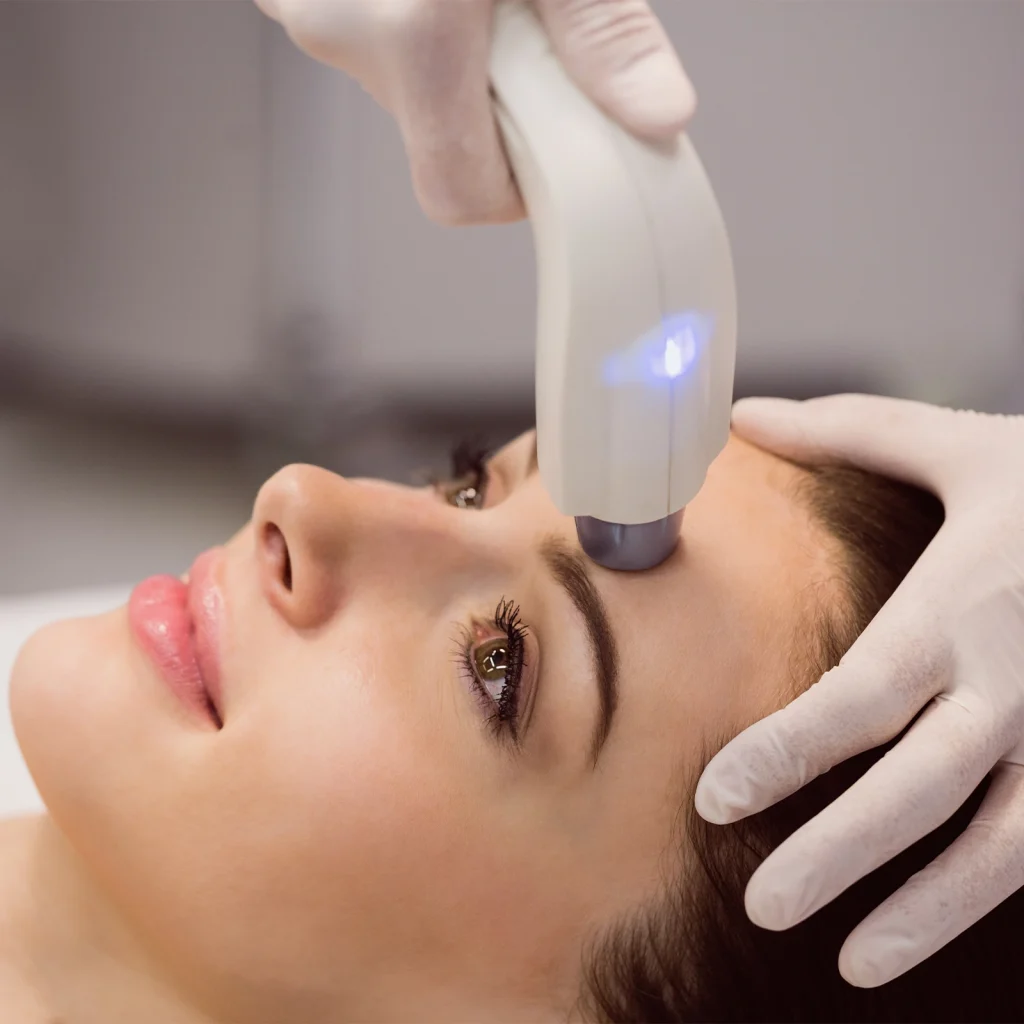
Laser Treatment for Acne Scars
Laser Skin Resurfacing is a cornerstone of professional acne scar treatment, offering targeted precision to reduce scar depth and improve overall skin texture. By stimulating collagen production, lasers help remodel damaged skin and restore a smoother, more uniform surface.
The types of lasers used for acne scars can vary depending on the type of scars:
- Fractional CO₂ Lasers – Ideal for deeper boxcar and rolling scars.
- Pico and Nd: YAG Lasers – Effective for pigmentation and subtle textural changes.
Each laser resurfacing session typically costs around Rs 7,000 to Rs 12,000 per session. You will need 3 – 6 sessions across 6 months, depending upon your scar type and intensity, with a downtime of 3-7 days.
Microneedling (With or Without PRP)
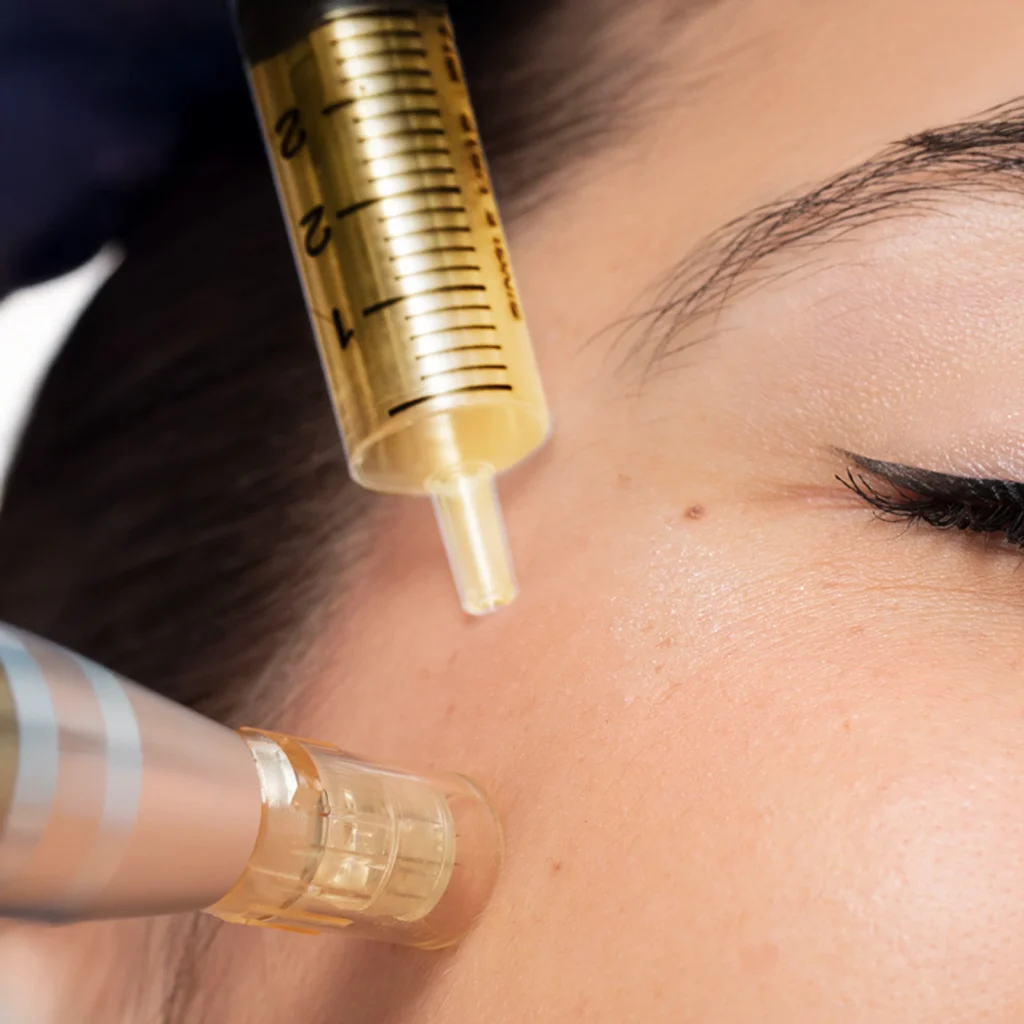
Microneedling, also known as collagen induction therapy, utilises fine needles to create controlled micro-injuries, thereby triggering the skin’s natural healing process. When combined with Platelet-Rich Plasma (PRP), the treatment becomes even more effective due to the regenerative growth factors in your plasma.These are best suited for rolling scars, mild boxcar scars, and uneven skin texture.
At Wizderm, you will find an innovative approach to microneedling. We add microneedling with radiofrequency (MNRF).
The treatment can cost you between Rs 5000 – Rs 25000, depending upon the severity, with a downtime of 1-3 days.
Chemical Peels
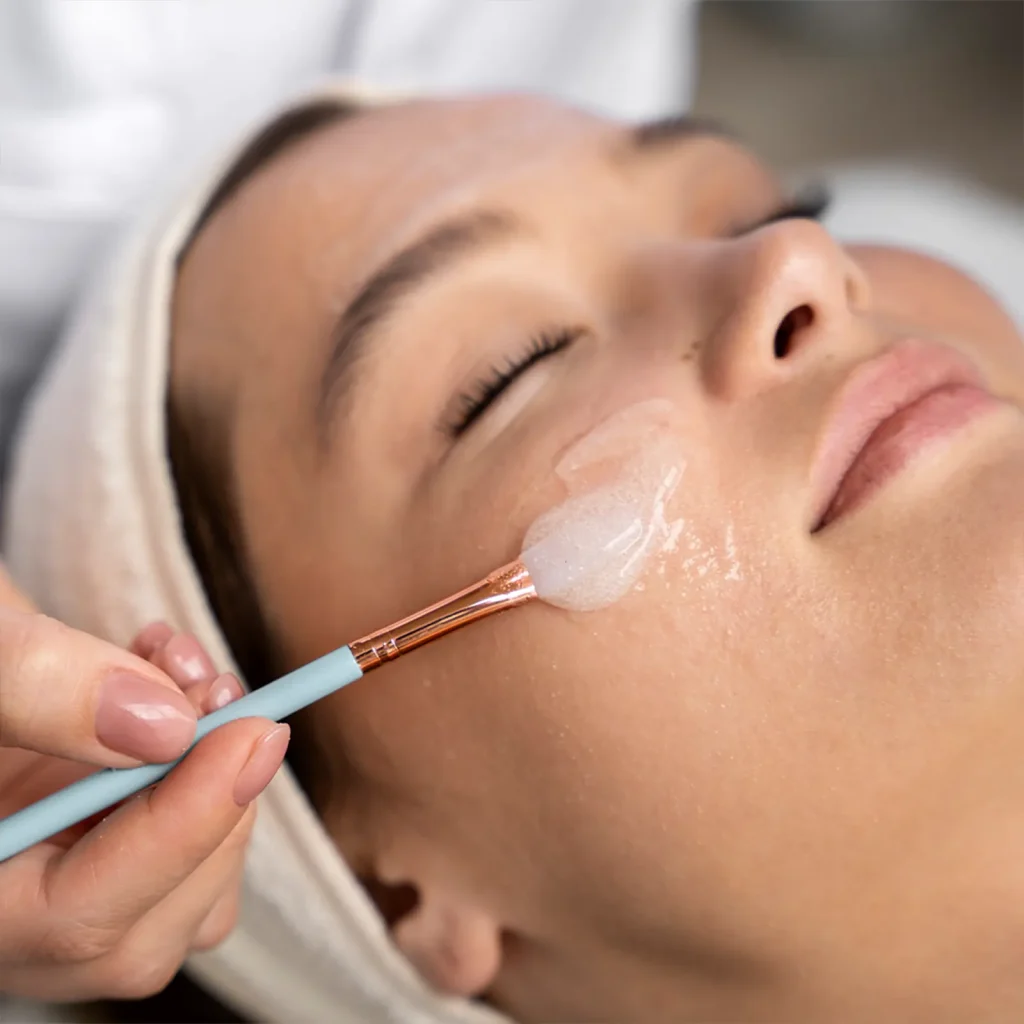
Professional-grade Chemical Peels use controlled exfoliation to remove damaged skin layers, reduce pigmentation, and refine texture. Dermatologists customise peel strength and frequency based on individual skin types and scar severity. This treatment is best suited for superficial scarring.
The downtime for this procedure is extremely minimal, say, 1-7 days and does not put a hole in your pocket as each session can range between Rs 1,500– Rs 5,000.
Subcision
Subcision is a minor surgical technique that breaks down fibrotic tissue, pulling the skin down. This releases tethered scars and allows the skin to rise and smooth out over time. These are indicated for: Rolling scars and select boxcar scars.
Subcision has shown 60–70% improvement with just 1–2 sessions, especially when followed by fillers or laser treatments. Downtime is minimal, like mild swelling for 2-3 days, and results are often long-lasting.
Each session can cost you between Rs 6,000–Rs 15,000 per session.
Dermal Fillers
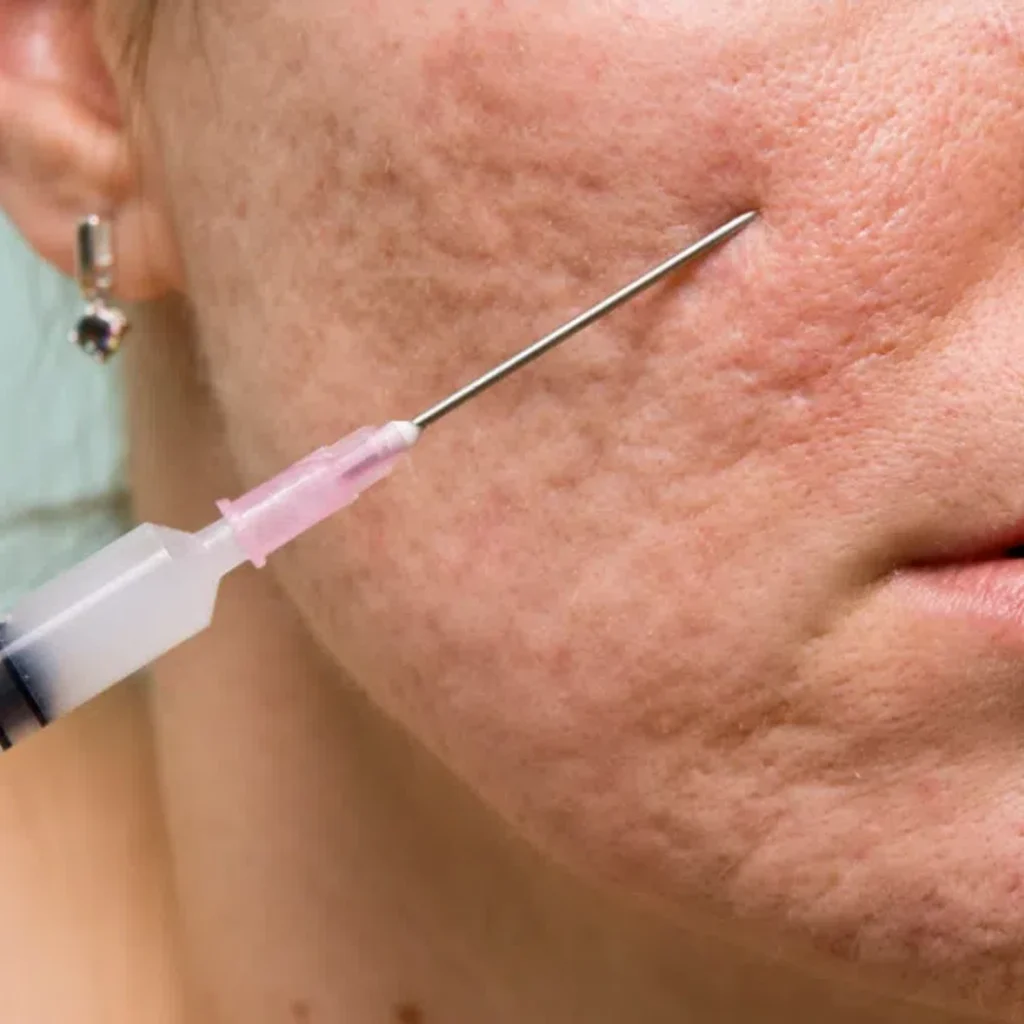
Dermal Fillers like hyaluronic acid are injected under indented scars to “lift” them up, providing an immediate improvement in skin texture. Though not permanent, they’re a fantastic bridge while waiting for collagen-boosting treatments to kick in.
Fillers can stay on for 12-18 months and can range between Rs 15000- Rs 25000, depending upon the scarring.

TCA Cross
This precise chemical technique uses high-strength trichloroacetic acid to target individual ice pick scars, triggering controlled inflammation and collagen regeneration. This treatment is best suited for deep, narrow scars that don’t respond to lasers or peels.
This procedure can range between Rs 3000 – Rs 8000 per session.
What About At-Home Care?
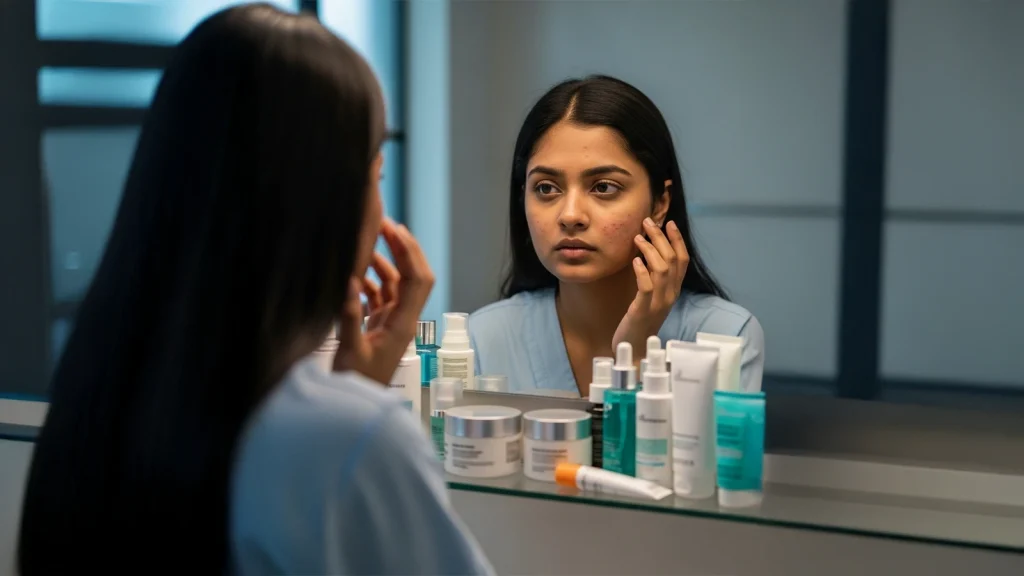
If you’re not clinic-bound just yet, good news: acne scar treatment at home can be effective, if done right and consistently.
These include:
- Retinoids (Adapalene, Tretinoin): Promote cell turnover and collagen.
- Vitamin C: Fades pigmentation and brightens skin tone.
- Niacinamide: Reduces inflammation and PIH.
- Azelaic Acid: Great for darker skin tones.
How Long Until You See Results?
Topical treatments typically show visible improvements within 8 to 12 weeks. Microneedling and PRP therapies may take around 3 to 6 months to deliver full results.
Fillers offer immediate results, though the effects are temporary. The common thread across all these options? Consistency.
A 2023 study published in Dermatologic Surgery found that patients who followed a combined 6-month regimen involving lasers, chemical peels, and at-home retinoids reported an impressive 80–90% satisfaction rate with their scar reduction outcomes.
Can Acne Scars Be Fully Removed?
Here’s the truth: complete acne scar removal is rare. But “barely noticeable” is very possible.
Scars are, by nature, permanent changes in the skin’s structure. However, with derm-grade interventions, most people achieve:
- 60–90% scar improvement
- Significant texture refinement
- Even skin tone restoration
Expect scars to become visibly minimal and well-blended with your natural skin texture, rather than completely erased like a retouched image.
Why Choose Wizderm for Acne Scar Removal Treatment?
At Wizderm, we understand that each acne scar needs a different approach. So, every treatment plan is:
- Based on accurate scar diagnosis
- Tailored to your skin type, tone & healing response
- Supervised by expert dermatologists
- Designed using US-FDA-approved technologies like: ResurFX, Alma Pixel CO₂, UltraPulse CO₂, for lasers, Morpheus 8, Endymed Pro for MNRF
We combine:
- Advanced in-clinic treatments (MNRF, Lasers, Subcision)
- Medical-grade actives for at-home care
- Continuous monitoring & detailed progress tracking
Our goal is simple: to help you regain smoother, more confident skin, with the safest and most effective dermatological approach.
Final Words of Wizderm
Acne scars can be stubborn, but science is firmly on your side. With the right diagnosis, consistent care, and dermatologist-led treatment, you can dramatically minimise scar visibility and restore a smoother skin texture.
Whether you’re starting with gentle at-home actives or ready for advanced procedures like lasers or microneedling, improvement is not just possible, it’s proven. Clinical treatments can deliver scar reduction, and a well-structured 6-month plan can take you from self-conscious to skin-confident.
Book a consultation with Wizderm and let’s build a personalised, clinical strategy that helps you finally see and feel the difference.
FAQs
Are acne scar removal treatments safe for darker skin tones?
Yes, acne scar removal treatments can be safe for darker skin tones when performed by experienced dermatologists using the right techniques and technologies. However, it’s crucial to customise treatments—especially lasers and peels—to minimise the risk of post-inflammatory hyperpigmentation.
How do I know if I have acne scars or just dark spots?
Acne scars are physical changes like indentations or raised areas, caused by damage from acne. However, dark spots are flat areas of discolouration caused by post-inflammatory hyperpigmentation (PIH), where the skin produces too much melanin after inflammation.
Are there age restrictions for acne scar removal treatments?
There aren’t any age restrictions regarding acne scar removal treatments, but there are factors to consider, particularly for younger individuals. Effective treatments are available for people of all ages, but the optimal time to treat scars is often when acne is under control and there’s minimal risk of future flare-ups.
Do acne scars come back after treatment?
Acne marks are unlikely to resurface exactly as they were treated. They may appear to be recurring; new ones may arise if the underlying problem is not treated. Lasers, microneedling, and chemical peels can help to reduce the look of acne; nevertheless, new acne can generate new scars.
Will acne scar treatments make my skin more sensitive?
Yes, many acne scar treatments—like chemical peels, microneedling, or laser therapy—can temporarily increase your skin’s sensitivity. This happens because these procedures exfoliate or penetrate the skin to stimulate healing. You may experience redness, dryness, or a heightened reaction to sun exposure and skincare products. Always follow post-treatment care instructions and use sunscreen to protect your skin and support its recovery while minimising irritation or sensitivity.
What’s the downtime like for different acne scar treatments?
Downtime varies by treatment. Chemical peels may cause redness and peeling for 3–7 days. Microneedling typically has 1–3 days of redness. Laser treatments, especially ablative types, can require 1–2 weeks of healing. Dermal fillers usually have minimal downtime—just slight swelling or bruising. Each skin type responds differently, so always consult a dermatologist for personalised guidance and follow aftercare instructions to speed up recovery and avoid complications.