Side Effects of Waxing: The Hidden Cost of Smooth Hairless Skin
In the quest for silky-smooth, hair-free skin, waxing has emerged as a go-to option for many. Its promise of long-lasting results compared to shaving makes it an easy option. According to Magna intelligence, it is assumed that the hair reduction market is going to reach USD $1,081.2 million by the end of 2029. But is it really that harmless and effective as a method for removing unwanted hair? Are there no underlying side effects of waxing that need our attention?
This comprehensive guide will show you the side effects of waxing, and explore alternatives like laser hair removal.
What is Unwanted Hair?
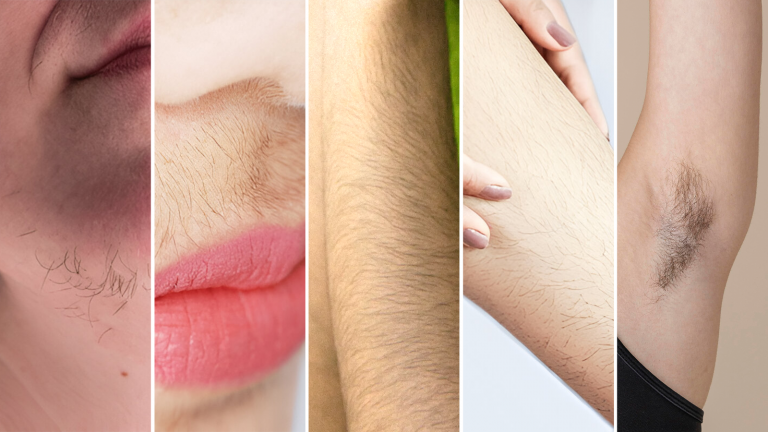
Before we get into the problem, we need to get to know the root cause of the problem, unwanted hair. Unwanted hair means the growth of hair in areas which are deemed as undesirable or unaesthetic. Common regions include upper lip, chin, arms, underarms, legs, and bikini line. Causes of unwanted hair growth include:
Hormonal Imbalances
Conditions like polycystic ovary syndrome (PCOS) or hirsutism can lead to excessive hair growth in women. According to the American College of Obstetricians and Gynecologists (ACOG), hirsutism affects 7 out of 10 women of reproductive age.
Genetics
Hair growth patterns can run in families and vary significantly by ethnicity.
Medications
Certain drugs like steroids or hormone treatments can increase hair growth.
Endocrine Disorders
Thyroid or adrenal gland imbalances may influence hair growth distribution.
While some people embrace their body hair (as they absolutely should!), others seek removal for comfort, hygiene, or appearance—especially in societies where hairlessness is associated with beauty or professionalism. This is where waxing, shaving, laser, and other hair removal methods come into play.
What Is Waxing? Understanding the Process
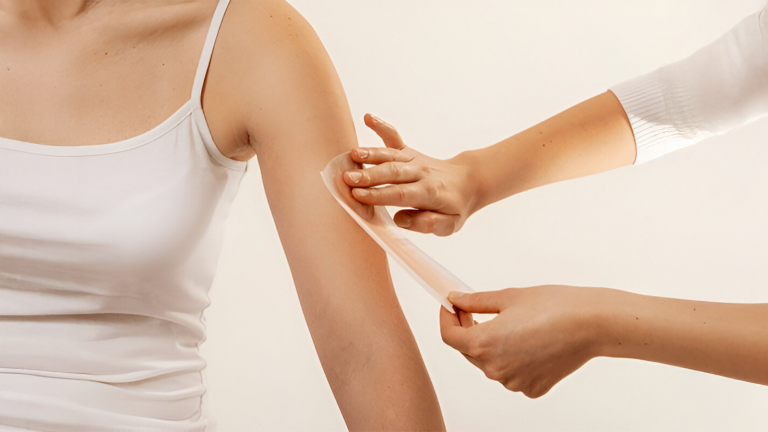
Waxing is a widely used method of hair removal that works by physically pulling hair out from the root—resulting in smoother skin that lasts significantly longer than shaving. From legs to lips, arms to underarms, and even bikini zones, waxing has become a staple in both at-home and salon-based hair removal routines. But it’s especially popular for face hair removal facial treatments, thanks to its precision and relatively quick results.
What is the Process of Waxing? A Step-By-Step Guide
Whether you’re at a spa or doing it by yourself at home, the step by step waxing process follows a structured routine designed to minimize discomfort and maximize results. Here’s how it typically unfolds:
Prepping the Skin:
The first step in the waxing process is to ensure the skin is clean, dry, and exfoliated. Removing dead skin cells helps the wax grip hair more effectively and reduces the risk of ingrown hairs.
Selection of Wax
Wax selection plays a crucial role in the outcome. For example:
Hard wax is ideal for sensitive areas such as the face, underarms, and bikini line. It hardens the skin and is pulled off without strips.
Soft Wax (Strip Wax) is spread thinly and removed with cloth or paper strips. Best for larger areas like arms and legs.
Sugar Waxing (Sugaring), an all-natural alternative made from sugar, lemon, and water, is gentler on the skin and gaining popularity for facial hair removal.
Application ofWax
Wax is applied in the direction of hair growth using a spatula or applicator. In facial waxing, extra care is taken to avoid delicate areas such as around the mouth.
Hair Removal
The wax is then pulled off in the opposite direction of hair growth, pulling hair from the follicle. This results in a smooth finish that can last anywhere from 3 to 6 weeks, depending on your hair growth cycle.
Post-Waxing Care
Essential for soothing the skin and avoiding reactions. Think aloe vera gel, cold compresses, and light moisturisers. Following the proper after-wax care routine.
Waxing is especially good for targeted hair removal, offering a quick solution.
Why Do People Choose Waxing for Hair Removal?
Waxing presents several advantages.
Hair takes longer to regrow compared to shaving, making it long-lasting
Repeated waxing can lead to softer and sparser hair over time.
Removes dead skin cells along with hair, leaving skin smoother.
It is cost-effective when done at home.
Despite these benefits, it is crucial to consider the potential side effects associated with waxing.
Immediate Side Effects of Waxing - The Smooth Truth Unwrapped
While waxing is celebrated for its efficacy and so-called long-lasting results, it’s very important to understand that it comes with its own set of side effects, especially for sensitive skin types or first-time users. The process of pulling hair from the root can trigger a variety of skin responses. Understanding the side effects is essential for setting realistic expectations and ensuring proper post-care.
Redness and Irritation
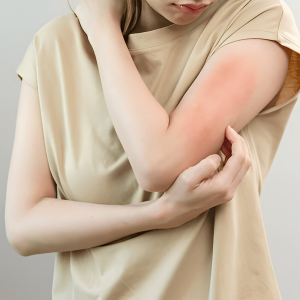
The most common reaction post-waxing is mild redness or inflammation, particularly in sensitive areas like the face, underarms, or bikini area. This occurs due to increased blood flow to the areas as hair is forcibly removed from the follicles.
Bumps and Ingrown Hair
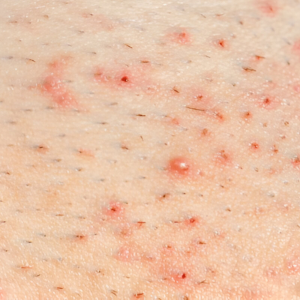
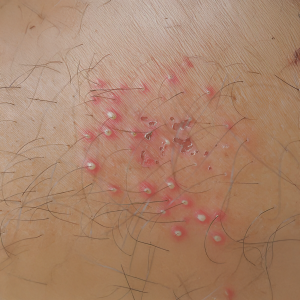
Small, pimple-like bumps may develop a few hours after waxing. These are usually caused by minor follicle inflammation or trapped hairs. Ingrown hairs are more common with coarse or curly hair types and often appear within a few days of waxing.
Allergic Reactions and Skin Rash
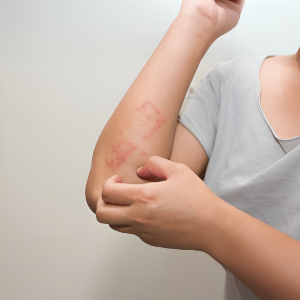
Some individuals may experience allergic reactions to ingredients in the wax, especially in the wax, especially if it contains fragrances, resins, or essential oils. This can lead to a skin rash after waxing, a more pronounced, itchy, or blotchy reaction that requires prompt attention.
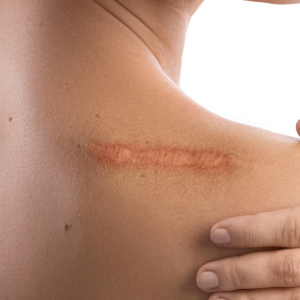
Burns and Surface Skin Peeling
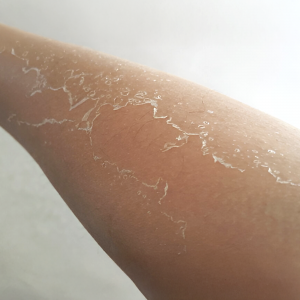
Improper waxing temperature or poor technique can result in mild burns, particularly with hot wax. The risk is heightened during facial waxing, where the skin is thinner and more delicate.
Proper aftercare, including soothing lotions and avoiding sun exposure, can reduce these effects.
Long-Term and Less Common Side Effects
Although rare, it is important to know that there can be long-term side effects of waxing. It can occur if proper after-wax care is neglected or the wrong type of wax is used for your skin.
Hyperpigmentation
One of the more subtle yet persistent side effects is post-inflammatory hyperpigmentation (PIH). This condition causes darker patches of skin, especially upper lip, underarms, or bikini line. It’s more common among individuals with medium to deep skin tones.
Skin Thinning and Sensitisation
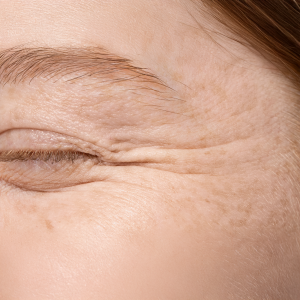
Regular waxing can weaken the outer skin barrier, especially with frequent facial hair removal. Over time, this may lead to increased skin sensitivity, dryness, and a heightened risk of irritation from skincare products or environmental factors. Face wax side effects like dryness or flakiness often become more noticeable with ageing skin or if exfoliation is overdone.
Scarring and Infections
While rare, improper technique, especially in unsanitary environments, can cause micro tears in the skin, leading to scarring or bacterial infections. This is more likely when waxing over active acne, sunburned skin, or broken dermal tissue. Facial waxing in particular requires caution to avoid long-term texture changes.
Folliculitis
Repeated trauma to hair follicles can cause folliculitis, an inflammation or infection of the follicle. It appears as a pus-filled bump and may need topical treatments to resolve.
Individuals with sensitive skin or underlying conditions should consult a dermatologist before waxing.
Factors Influencing Side Effects
Several factors can affect the likelihood and severity of side effects of waxing. They include:
Skin Type– Sensitive skin is more prone to irritation.
Hair Texture– Coarse hair may be more painful to remove.
Wax Quality– Low-quality wax can increase the risk of adverse reactions.
Technique- Improper application or removal can damage the skin.
Aftercare- Neglecting post-wax care can exacerbate side effects.
Choosing the right wax and following proper techniques are essential for minimising risks.
Alternatives to Waxing
Waxing may be a popular choice for unwanted hair removal and full body smoothness, but it’s not without its drawbacks, especially if you are prone to side effects of waxing like rashes, or if you’re just tired of the tug-and-pull. Fortunately, the world of hair removal offers a variety of alternatives that cater to different skin types, pain thresholds, and long-term goals.
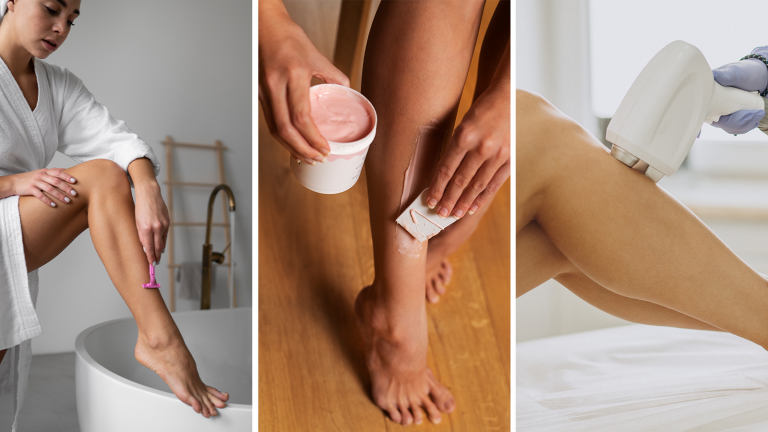
Shaving
The most accessible method, shaving cuts hair at the surface level. It’s painless and quick but requires frequent upkeep; typically every 5 to 7 days. It also carries the risk of nicks, razor burns, and ingrown hairs.
Hair Removal Creams
These chemical creams dissolve hair at the skin’s surface. While convenient, they can cause irritation or allergic reactions, particularly on the face or bikini line.
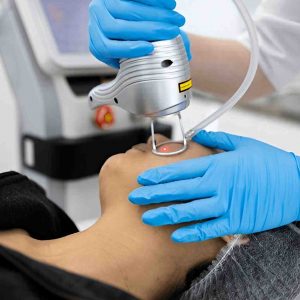
Laser Hair Reduction
The most sophisticated alternative is laser hair reduction, a long-term solution that targets hair follicles with concentrated light, reducing the scope of hair regrowth over time. According to a study, over 1.1 million laser procedures were performed in the U.S. alone in 2022. This shows the rising popularity of laser hair reduction.
Laser hair reduction is especially beneficial for those experiencing frequent side effects of waxing, like irritation or recurrent ingrown hairs. It also eliminates the hassle of step-by-step waxing and reduces the risk of skin rash post-waxing in the long run.
Wizderm Skin and Hair Clinic offers advanced laser hair reduction customised to individual skin tones and hair types, ensuring optimal safety and effectiveness. With fewer side effects, it’s an investment for smoother, healthier skin.
When to Seek Professional Help?
The minor side effects are common and can be managed easily at home; there are certain symptoms that require professional attention. Those can be:
Persistent redness or swelling that lasts for more than a few days.
Severe pain that has not been alleviated even after application of over-the-counter remedies.
If you see any signs of infections like pus, increased warmth or red streaks.
Allergic reactions like hives, itching, or difficulty breathing.
Consulting a dermatologist ensures proper diagnosis and treatment.
Final Thoughts From Wizderm Skin & Hair Clinic
Waxing offers a convenient solution for hair removal, delivering smoother skin and long-term results. However, it’s not without potential side effects, ranging from mild irritation to more severe complications. Understanding these risks and taking preventive measures like proper technique, quality products, and appropriate aftercare can enhance the waxing experience. For those seeking alternatives, options like laser hair reduction provide excellent results, albeit with their considerations. Ultimately, informed choices and professional guidance are the key to achieving desired results while maintaining skin health.
FAQs
Can waxing cause permanent skin damage?
Waxing cannot directly cause permanent skin damage, but if the aftercare is neglected, it can cause irritation and redness, or worse, hyperpigmentation. These side effects of waxing can be taken care of easily if post-waxing care is done properly.
How to prevent ingrown hairs after waxing?
To prevent ingrown hairs after waxing, exfoliate the skin gently 2–3 times a week using a scrub or chemical exfoliant like salicylic acid. Keep the area moisturised with a non-comedogenic lotion to maintain skin softness. Avoid tight clothing that can cause friction. Refrain from touching or scratching the waxed area. Apply a soothing antiseptic or aloe vera gel to reduce inflammation. Regular care and hygiene help keep pores clear and prevent hair from curling back into the skin.
What are the signs of an allergic reaction to waxing?
Allergic reactions to waxing can show up in redness, inflammation, itchiness, and burning sensations, and the development of bumps or hives. In severe cases, the skin may also peel.
Can waxing lead to skin discolouration or hyperpigmentation?
One of the less common side effects of waxing is hyperpigmentation or skin discolouration. It’s often avoidable with proper technique and product selection.
Is laser hair reduction better than waxing?
Yes, laser hair reduction is better than waxing. It is better due to the longer-lasting results, reduced maintenance, and improved skin health
Is laser hair reduction more cost-effective than waxing in the long run?
Yes, laser hair reduction is way more cost-effective in the long run. Initially, it may seem higher than usual, but laser hair reduction needs way less maintenance, which means less money spent. That means while you spend Rs3000, on average, a month on waxing for the next 30 years, for laser hair reduction, you spend Rs 5000 a month for 6 sessions and not worry about it for the longest time.
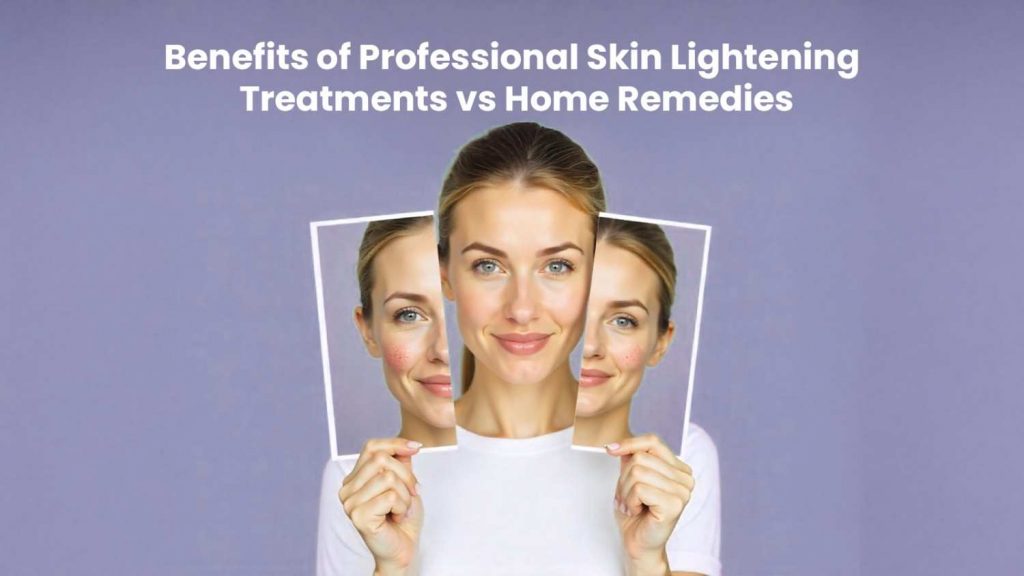
Benefits of Professional Skin Lightening Treatment vs. At-Home Remedies
A Skin lightening treatment is often confused with delivering skin fairness. However, the primary goal of professional services or home remedies is to achieve radiant skin by reducing hyperpigmentation and fading the appearance of dark spots and uneven skin tone.
Every individual’s natural skin tone is beautiful, and changing it only reflects the amount of exploitation beauty standards have on our thought process. Now, to navigate more easily through the battle between home remedies and professional treatments, this blog is here to help. Read further to know more.
What are Professional Skin Lightening Treatments?
Professional-grade skin lightening treatmentsinvolve a range of dermatological practices that can control excess melanin production in the skin cells, leading to a more radiant, brighter and even-toned appearance. Such practices help address skin concerns like signs of ageing, sun damage-induced dark spots, post-acne marks and hyperpigmentation, helping restore the skin’s natural radiance.
5 Benefits of Professional Skin Lightening Treatments
Skin lightening and whitening treatments help you achieve more than just a radiant and clearer complexion; they also boost your confidence. Know more about professional skin lightening benefits through the following points:
Fades Hyperpigmentation: Skin lightening therapies help in correcting hyperpigmentation that is caused by post-acne marks (PIH or PIE), sun exposure and hormonal imbalances. These procedures help fade the appearance of dark spots and pigmented patches by curbing melanin production and stimulating cell renewal.
Controls Sun Damage: Prolonged sun exposure can sabotage the skin, causing age spots, uneven skin tone and tanning. A combined therapy of skin brightening treatment and broad-spectrum sunscreen can restore the skin’s natural glow, leaving a youthful and rejuvenated complexion.
Improves Self Image: Hyperpigmentation and dark spots can cause an individual’s self-confidence to diminish. Addressing these skin issues with the help of skin and body whitening treatments improves self-esteem by empowering affected individuals to feel secure and confident in their skin.
Enables Customisation of Treatments: Unlike home remedies, an individual can avail of professional skin lightening procedures tailored to their skin concerns. Based on the intensity of unevenness of skin tone, skin type and desired results, one can choose between non-abrasive chemical peels and clinically advanced laser procedures.
Increases the Efficacy of Skincare: Specific skin lightening procedures help smooth skin texture, offering a plain and silky canvas for key skincare actives like retinol, multi peptides, and vitamin C to penetrate deeper. This also optimises the benefits of an individual’s daily skincare routine for a radiant and healthy complexion.
3 Effective and Safe Skin Lightening Treatments
While there is a range of skin lightening treatments available across the cosmetology and esthetician world, some of the most popular and safe treatment options are marked below:
1: Chemical Peels:
A chemical solution of salicylic acid or glycolic acid exfoliates the epidermis, the outer layer of the skin, revealing a more radiant and smoother complexion. These chemical peeling solutions work exceptionally well for skin concerns like melasma, post-acne hyperpigmentation and superficial acne scars.
2: Topical Treatments
Skin lightening ingredients in OTC (Over the Counter) creams and serums, like azelaic acid, kojic acid, hydroquinone, or vitamin C, can help even skin tone and minimise the appearance of hyperpigmentation. While these are readily available at drugstores, they must be used under a doctor’s supervision to avoid possible side effects. One should apply it directly to the affected areas across the face and body.
3: Laser Therapy
Professional laser therapies at renowned clinics use advanced lasers like the Q-switched laser, which precisely and effectively target and disintegrate melanin deposits in the skin, thereby fading dark spots, the appearance of melasma, and other hyperpigmentation issues.
5 Common Myths and Facts About Professional Skin Lightening Solutions
While the skin lightening and brightening treatments help in restoring the skin’s lost radiance, some myths may discourage you from achieving clear, bright skin. Read to know more:
Myth 1: Skin Lightening Topical Treatments Give You Results Overnight
Fact: Similar to other skincare products in your daily routine, skin brightening topical solutions take time to show results. No such topical creams or serums can work overnight. Consistently using the prescribed solutions in the recommended amount and application method will start showing results in a few weeks or months.
Myth 2: Skin Brightening Therapies are Only Meant for People with Dark Skin Tones
Fact: Skin lightening treatments are not limited to any specific skin tone. Even light-toned people can get dark spots and hyperpigmentation because of factors like sun damage and acne marks. Hence, these professional procedures help people of all skin tones to minimise the appearance of dark patches and sun damage spots.
Myth 3: Skin and Body Whitening Treatments Use Chemicals that are Harsh for Your Skin Health
Fact: Common chemicals used for skin brightening include kojic acid, azelaic acid, and hydroquinone, which well-established dermatological clinics use in safe concentrations. However, overuse of these chemicals can cause skin sensitivity and irritation; hence, seeking professional service is significant.
Myth 4: Availing Skin Whitening Treatments Once Can Give You Permanent Results
Fact: There’s no such thing as ‘permanent skin lightening treatment’ as the results obtained from these procedures can last only a few months or years, depending on the treatment type and the patient’s skin type. Maintenance is essential to retain the outcomes.
Myth 5: Skin Whitening Treatments are Costly and can Only be Availed by Women
Fact: No, firstly, any individual can benefit from skin whitening treatments irrespective of their gender. Secondly, the cost of such procedures is based on the intensity of the individual’s skin condition, the professional service provider, the type of treatment, and the location. Topical solutions are often relatively less expensive than laser therapies.
6 Common Home Remedies for Skin Fairness
Home remedies for skin lightening comprise a few common kitchen ingredients like gram flour, turmeric, lemon, yoghurt, rice water and papaya. Here are 6 of the relevant skin whitening remedies at home that one seeking a ‘natural fix’ can check:
Lemon Extracts: With the skin whitening properties of citric acid and vitamin C, application of lemon juice helps reduce hyperpigmentation as it regulates melanin count. It further aids in skin exfoliation, revealing an even-toned complexion.
Papaya: The papain enzyme in papaya aids in gentle exfoliation of dead cells, leading to new cell generation and lightening of dark patches.
Rice Water: Infused with antioxidants, rice water has been a constant ingredient for achieving glass skin. It improves texture, imparts brightness, and makes an individual glow from within.
Gram Flour (Besan): A natural exfoliant ingredient found in every Indian kitchen, which aids in brightening the skin, removing tan, and reversing skin damage.
Potato: Used in a juice form, potatoes reduce pigmentation through the enzyme catecholase. The vitamin C in it further brightens the skin.
Turmeric and Yoghurt Paste: Turmeric controls hyperpigmentation by inhibiting melanin production, while yoghurt (containing lactic acid) helps exfoliate and hydrate the skin.
Benefits of Skin Lightening Treatments at Home
Home remedies for skin whitening are popular in Asian households for the following benefits:
Less Cost = More Savings
Most of the ingredients found in home remedies are found in every Indian kitchen or local grocery stores. Natural ingredients are budget-friendly, making them a viable option for many.
Absence of Unsafe Chemicals
Natural home remedies are gentler on the skin as they are free from any harsh chemicals. This builds trust among many individuals by familiarising them with skincare regimes.
Lesser Requirement of Maintenance
Unlike commercial skin lightening services, home remedies do not require monthly or yearly maintenance. Using them for a certain period in the correct method can reveal sustainable results.
Facts about Body and Skin Lightening Treatment at Home
‘Natural ways are always safe,’ but is it? Take a look at these facts about body and skin lightening treatment at home that clinical experts highlight:
Fact 1: Home Remedies are Cost-Effective but Never Effective Solutions
Explanation: While ingredients like yoghurt, turmeric and lemon may be budget-friendly options and offer temporary radiant-like results, they don’t penetrate deep into the skin to reverse melanin-induced hyperpigmentation.
Fact 2: Home-Based Treatments are Not as Effective as Clinical Solutions
Explanation: Professional skin lightening therapies use scientifically tested and clinically proven ingredients (in safer concentrations) and technology that provides sustainable and reliable results by targeting pigmentation at the root.
Fact 3: Natural Ingredients Can Lead to Skin Damage and Even Trigger Skin Allergies
Explanation: Ingredients like lemon juice or baking soda can irritate the skin, strip the natural oils, disrupt the skin barrier, and even cause burns, hence worsening pigmentation in the applied areas. Falling for home remedy propaganda can prove harmful for sensitive skin.
When to Consult a Doctor?
If you are experiencing the side effects of home remedies and seeking professional guidance for spotless and radiant skin, booking an appointment at Wizderm will be a smart, trusted step. At Wizderm, experienced dermatologists offer personalised skin lightening treatments tailored to your unique skin type, concerns, and budget.
Instead of superficial fixes, you will receive a detailed skin analysis and a customised treatment plan designed to deliver safer, longer-lasting results. Check this out to learn more about our professional skin lightening procedures.
Professional Skin Lightening Treatments Vs. Home Remedies: Which is Better?
While home remedies may seem affordable and harmless, they can be quite ineffective when it comes to outcomes and may even heighten irritation and allergies for sensitive skin. Professional skin lightening services at Wizderm are science-backed, dermatologist-led, and customised to your unique skin needs.
Take a step towards a clearer, brighter complexion and sustainable skin health without the guesswork. Book an appointment online today to connect with top experts across India!
FAQs
Are skin lightening treatments safe for all skin types?
Yes, skin lightening treatments are safe for all skin types, including sensitive skin, if availed from a trusted and well-established, dermatologist-led clinic like Wizderm.
How long does it take to see results from professional skin lightening treatments?
Noticeable results depend mainly on the type of professional treatment availed for skin lightening. For treatments like a hydra facial or mild chemical peels, one can see visible differences in their skin tone instantly. However, topical or oral treatments, or laser therapies have a greater downtime (cooling period), and can show positive changes eventually.
Are there any side effects of laser skin lightening procedures?
No, there are no side effects of laser skin lightening procedures at Wizderm. Also, how one’s skin reacts to different types of procedures depends on their skin type and the type of treatment. Having said this, one may feel a slight tingling or burning sensation if their skin comes in contact with strong acids or laser light. Importantly, these skin reactions are temporary; however, one should use a cold compress if the redness and inflammation are concerning.
What is the cost of professional skin lightening treatment in India?
Skin lightening treatment cost in India ranges between Rs. 1,800 to Rs. 5,500 for chemical peels, while for laser treatments, it costs somewhere between Rs. 6,000 to Rs. 40,000. At Wizderm, the cost for chemical peels starts from Rs. 3,000 and ends at up to Rs. 50,000 for cosmelan treatments.
Can skin lightening treatments be combined with other dermatological procedures?
Yes, at Wizderm, clinical experts recommend a combination of skin lightening treatments with other dermatological procedures for better results. For example, a doctor may suggest topical creams with chemical peels for someone battling with hyperpigmentation for issues like inflammation, hormonal changes and sun damage.
Do skin lightening treatments work for men as well?
Clinical treatments for skin lightening are gender neutral, enabling even men to target the root cause of hyperpigmentation and uneven skin tone, to reveal a brighter and healthier complexion.